39-Km Flyover Planned From Bhairoba Nala to Yavat to Ease Pune-Solapur Highway Congestion
Pune
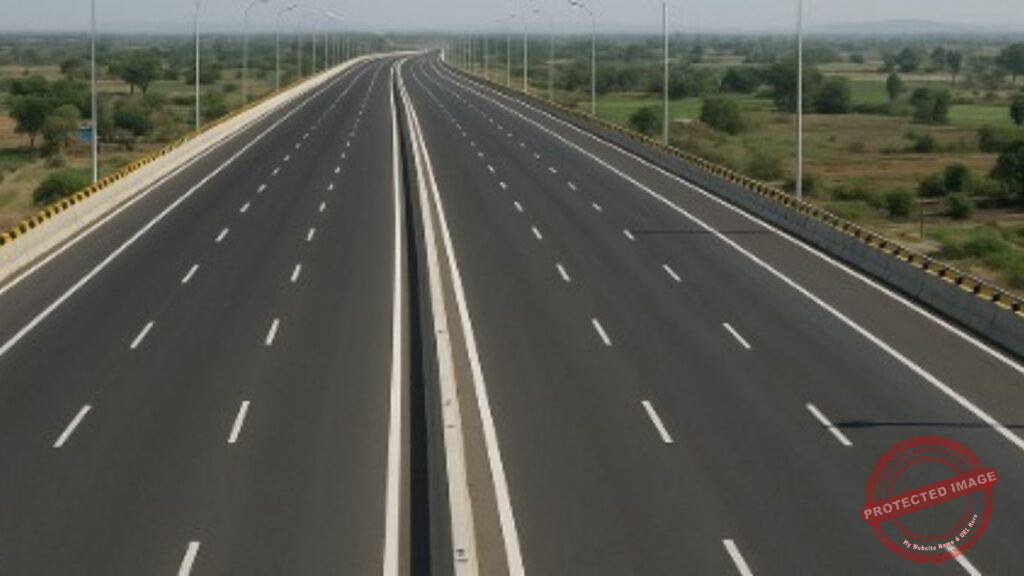
A 39-kilometer elevated corridor is proposed between Bhairoba Nala and Yavat to decongest the Pune-Solapur highway and boost regional connectivity.
Pune|11 December 2025: The Maharashtra government has outlined plans for a 39-kilometer flyover corridor stretching from Bhairoba Nala to Yavat to significantly reduce traffic congestion on the busy Pune-Solapur Highway. This project aims to enhance traffic flow, shorten travel times and improve safety for commuters who regularly face long delays due to mixed traffic and slow-moving vehicles along this major intercity route.
The proposed elevated road will run parallel to the existing highway, bypassing key choke points and built-up stretches where local movement and freight traffic often slow down overall progress. Officials say the new corridor will allow through-traffic to avoid level crossings, intersections and urban stretches that contribute to heavy bottlenecks, especially during peak hours and festival seasons when travel demand surges.
Traffic on the Pune-Solapur Highway has grown steadily over the years, driven by increasing industrial activity, commercial transport and intercity travel between Pune, Solapur and surrounding districts. The existing road, while upgraded periodically, still experiences congestion in towns and villages along the way. Long stretches of mixed traffic and heavy trucks contribute to delays, making journey times unpredictable for commuters and logistics operators alike.
The flyover project is being designed as a high-capacity, grade-separated corridor with entry and exit points strategically planned to connect with major junctions and local roads. Transport planners believe this will not only ease long-distance travel but also reduce pressure on local road networks that currently bear spillover traffic from the main highway. By directing long-haul vehicles onto the elevated route, the project aims to create a smoother flow on both the new flyover and the existing highway below.
Preliminary assessments suggest the flyover will enhance overall safety by reducing conflict points where fast moving traffic meets slow or turning vehicles. These intersections are often hotspots for accidents, particularly involving heavy vehicles and local commuters, and improved grade separation is expected to lower such risks. Enhanced safety features, including improved signage and dedicated service lanes, may also be incorporated into the design to ensure smoother traffic dynamics.
The elevated corridor is also seen as a catalyst for economic activity in the region. By cutting down travel time between Pune and Solapur, it is expected to boost trade, passenger mobility and freight efficiency. Faster connectivity can attract investment in adjacent areas, spur development of logistics hubs and support local industries that depend on reliable transportation networks for supply chains.
For commuters who travel the route daily, the promise of reduced congestion and shorter travel times could bring tangible benefits to quality of life. The highway currently serves a mix of passenger cars, buses, commercial trucks and two-wheelers, making efficient traffic management a persistent challenge. With increasing vehicle ownership and growth in commercial transport, elevated solutions like this flyover are being considered necessary to future-proof the corridor.
Implementation of such a large infrastructure project will require detailed engineering studies, land acquisition and environmental clearances before work can begin. Funding mechanisms and timelines are expected to be released once preliminary surveys are completed and stakeholder consultations are held with local communities and transport agencies. Officials have emphasised that maintaining connectivity during construction will be a priority to minimise disruption for road users.
The planning phase also includes assessing potential impacts on surrounding ecosystems, agricultural land and nearby settlements. Mitigation strategies such as noise barriers, tree plantations and fair compensation for affected landowners are likely to form part of the project framework once approvals are in place. Infrastructure experts point out that well-executed elevated corridors can balance mobility improvement with environmental and social considerations when planned transparently.
Follow us On Our Social media Handles :
Instagram
YouTube
Facebook
Twitter
Also Read- Pune