Trump Imposes Strict Sanctions on Russian Oil, Impacting India, China, and Russia
India
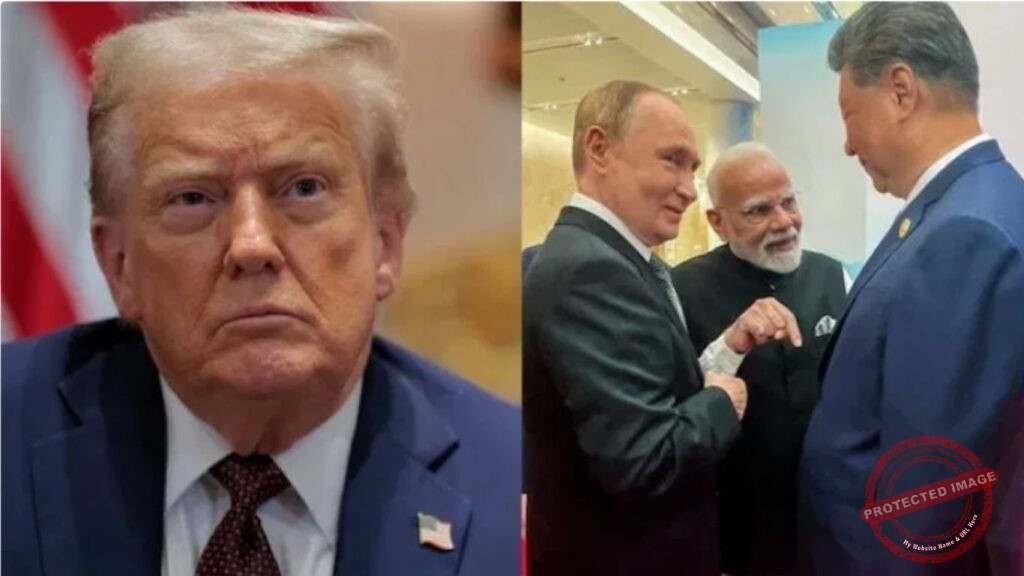
US President Donald Trump has imposed sanctions on major Russian oil companies, likely affecting oil trade with India and China, and creating disruptions in the global energy market.
Pune, October 24, 2025 – US President Donald Trump announced on October 23, 2025, a series of stringent sanctions on Russia’s top oil companies, Rosneft and Lukoil. These sanctions will prevent these companies from selling crude oil to other countries, triggering significant concerns in the global energy market.
The sanctions are expected to hit India and China the hardest, as both nations have been importing large volumes of affordable crude oil from Russia. India’s Reliance Industries Limited has a 25-year agreement with Russian firms, importing approximately 500,000 barrels of oil per day. Trump’s sanctions could affect these contracts, causing potential disruptions in supply and impacting pricing strategies.
China’s major oil companies, including PetroChina, Sinopec, CNOOC, and Zhenhua Oil, have already stopped seaborne imports of Russian oil but continue to receive supplies via pipeline. Analysts suggest these sanctions may force further adjustments in China’s energy import strategy.
Russian President Vladimir Putin termed the sanctions “serious” and acknowledged that there would be some effects. However, he expressed confidence that the measures would not have a major impact on Russia’s economy.
Experts say that these sanctions could compel India, China, and Russia to rethink their energy policies. The global oil market may experience volatility, with crude prices potentially rising due to limited supply from Russia. This could have downstream effects on energy costs, industrial production, and inflation in affected countries.
The Trump administration’s decision highlights increasing geopolitical tensions surrounding energy trade. It also signals a shift in US policy toward stricter enforcement against nations dealing with Russian energy, which may influence long-term contracts and international partnerships.
Economists suggest that India may need to explore alternative oil suppliers or renegotiate terms with Russian companies to mitigate disruptions. Similarly, China may accelerate pipeline-based imports or look for other markets to maintain stable energy supplies.
This move underscores the complex interplay between international politics, energy security, and global trade. India, China, and Russia now face the challenge of balancing economic needs with geopolitical pressures while ensuring stable energy access.
Follow us On Our Social media Handles :
Instagram
Youtube
Facebook
Twitter
Also Read- Pune