Pune Police Seek UK High Commission’s Help to Extradite Gangster Nilesh Ghaywal
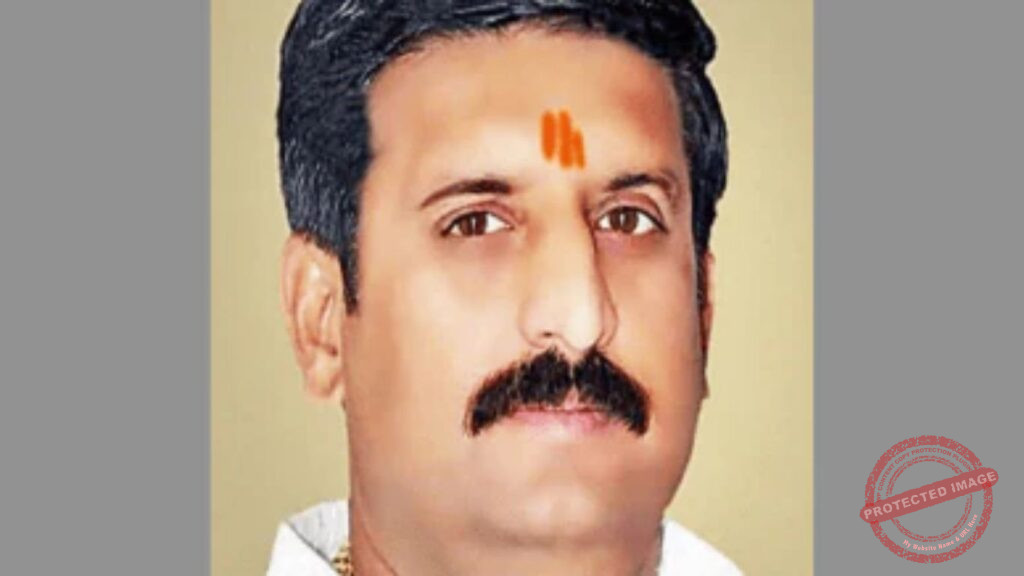
Pune police have formally requested the UK High Commission to facilitate the return of gangster Nilesh Ghaywal, wanted in multiple organised-crime cases under MCOCA.
Pune,October 29, 2025 – The Pune City Police have intensified their crackdown on organised crime by formally approaching the United Kingdom High Commission to help bring back notorious gangster Nilesh Ghaywal, who is believed to be hiding abroad. The request marks a major international move to ensure his extradition and prosecution under the Maharashtra Control of Organised Crime Act (MCOCA).
Ghaywal, long known to be a key player in Pune’s underworld network, faces more than ten serious criminal cases. These include charges of extortion, assault, illegal possession of weapons, and land-grab operations. Police records reveal that he has been evading arrest for years, operating his syndicate through local associates while remaining outside India’s jurisdiction.
Officials stated that Ghaywal managed to obtain a passport under a slightly altered name, changing the spelling to “Gaiwal” in order to bypass immigration and law-enforcement databases. Following this discovery, his passport was cancelled, and both Red Corner and Blue Corner notices were issued through international agencies.
Recent searches conducted by the Kothrud Police in Pune yielded substantial evidence linking Ghaywal to a network of illegal assets. Officers seized live cartridges, air-gun pellets, gold ornaments, and several property documents from locations associated with him. These papers indicated land deals across areas such as Dharashiv, Mulshi, and Jamkhed, suggesting that his gang had extended its influence beyond Pune district.
Senior officials confirmed that the letter to the UK High Commission was issued as part of an ongoing operation to trace and repatriate the fugitive. The request invokes international law and bilateral cooperation mechanisms, which allow Indian agencies to coordinate with British authorities in locating and returning individuals facing serious criminal charges.
The move also underscores the growing use of cross-border collaboration in Indian policing. With the rise of global mobility and digital connectivity, many criminal syndicates attempt to relocate their operations abroad. Pune Police believe that bringing Ghaywal back will not only help dismantle his existing network but also send a strong message to others who think they can evade justice by leaving the country.
However, experts caution that extradition processes can be lengthy and complex. They require the submission of detailed evidence, legal documents, and compliance with international treaty obligations. Once the UK authorities verify the documentation, further proceedings will determine whether Ghaywal can be deported to face trial in India.
Follow us On Our Social media Handles :
Instagram
Youtube
Facebook
Twitter
Also Read- Pune