Committee Head Dr. Narendra Jadhav Says Marathi and English Should Be Mandatory from Grade 1 in Maharashtra
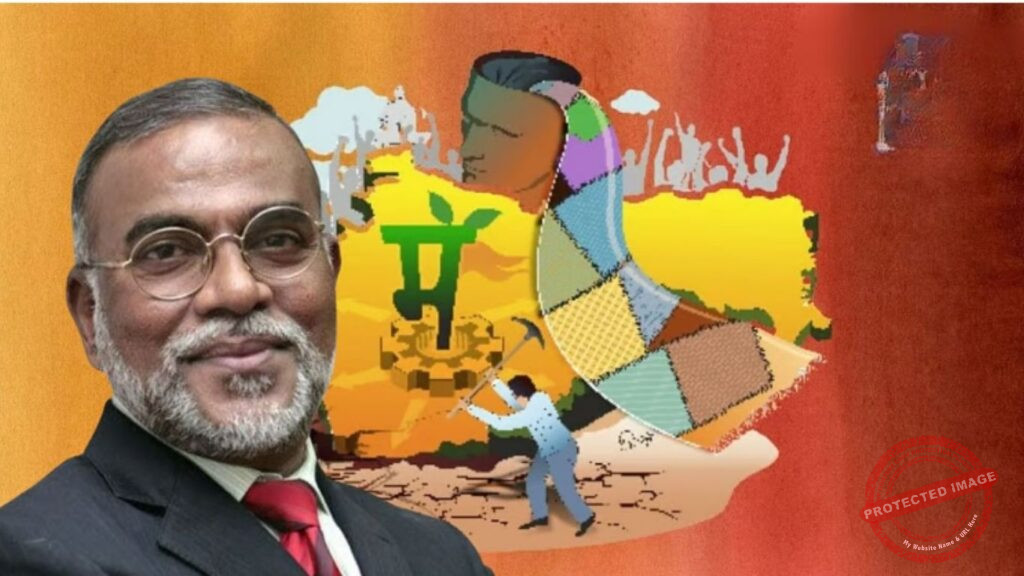
Dr. Narendra Jadhav
At a consultation in Pune, Dr. Narendra Jadhav, chair of the three-language policy committee, said that Marathi and English should be compulsory through grades 1-12, while the third language should be optional or introduced later.
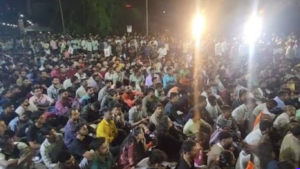
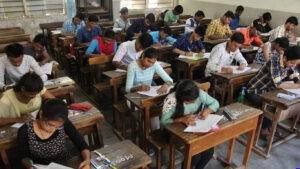
PUNE, 14 November 2025 – At a public consultation held in Pune, the state’s three-language policy committee heard widespread demand from parents, teachers and education groups that students should not be burdened with three languages from the very first standard. Most participants insisted that only Marathi and English should be mandatory across all school years, while the third language should either begin later or be kept optional based on student preference. They argued that children in both Marathi and English medium schools already carry a heavy academic load and that adding a compulsory third language too early leads to stress, reduced comprehension and weaker performance in core subjects.
Dr Narendra Jadhav, who heads the committee, acknowledged the concerns and said the panel is gathering feedback from all eight administrative divisions before finalising its recommendations. He noted that the issue directly affects lakhs of students in Maharashtra and must be approached with long-term educational outcomes in mind. According to him, an effective policy must balance linguistic proficiency, student capacity and global competitiveness while preserving the primacy of the Marathi language in the state’s schooling system.
Many citizens told the committee that the overlap between Marathi and Hindi often creates confusion for younger students, and that enabling choice would help them select languages that align with their environment or future plans. Several participants emphasised that while Marathi must remain compulsory, students should not be forced into learning an additional language before they are ready. Instead, they recommended introducing the third language only after Class 6, when comprehension skills are stronger and students can handle the expanded curriculum with confidence.
The consultation also highlighted concerns around the implementation of language policies under the National Education Policy. Speakers argued that states should retain flexibility in adapting the three-language framework to local needs instead of adopting a one-size-fits-all approach. They said that linguistic identity and regional requirements must be given priority when framing classroom instruction models.
The government has already clarified that Hindi is not mandatory in Maharashtra schools and that students may choose any Indian language as their third language. This assurance was welcomed by several groups, who said language choice must remain unrestricted. The ongoing consultations reflect a growing call for a student-centred approach rather than top-down language imposition.
The committee will submit its report by December 20, after which the state is expected to take a final decision. Schools, teachers and parents are now waiting for clarity as the policy will shape the academic structure of the next generation. The discussions in Pune underline a broader shift toward reducing unnecessary academic burden while strengthening essential language skills — with Marathi and English taking priority and the third language positioned as a flexible component of the curriculum.
Follow us On Our Social media Handles :
Instagram
Youtube
Facebook
Twitter
Also Read- Pune