Junnar Set for India’s First-Ever Wild Leopard Sterilisation Trial in Bid to Curb Rising Attacks
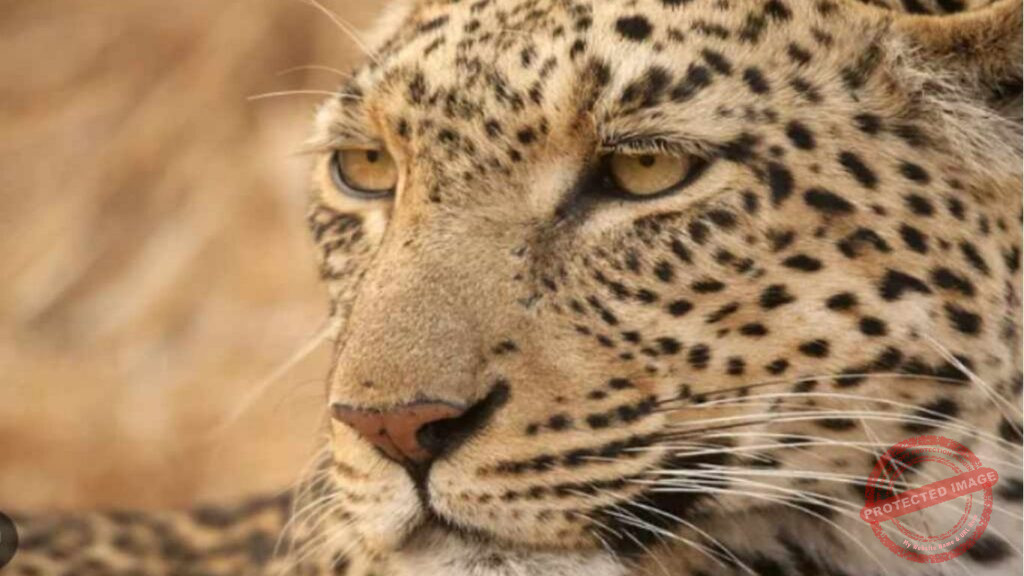
In Maharashtra’s Junnar region, authorities propose sterilising 115 female wild leopards to reduce human-wildlife conflict—offering a pioneering yet controversial solution.
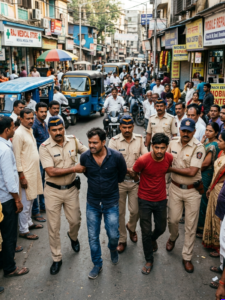
Pune | November17 ,2025: The Junnar region of Maharashtra is preparing for a landmark wildlife-management experiment that could reshape how India handles human–wildlife conflict. Authorities have proposed the country’s first-ever sterilisation trial on wild leopards, focusing on 115 female big cats that regularly enter farmlands, villages and livestock areas. Rising encounters in recent years, including livestock losses, night-time sightings and close interactions around agricultural fields, have created serious safety concerns for local families. With leopard populations increasing in semi-urban and agricultural belts, traditional methods such as rescue operations and relocation have offered only temporary relief, prompting officials to explore long-term scientific solutions.
The proposed project aims to use immunocontraception, a non-surgical fertility-control method commonly used in wildlife management across the world but never tested on wild leopards in India. By selectively sterilising female leopards from high-conflict zones, the plan seeks to gradually stabilise the leopard population over the next several years. Experts believe that lowering birth rates could help reduce territorial competition among leopards, which is one of the major reasons they walk into human settlements in search of food or space. Junnar’s landscape, with its mix of forest patches, sugarcane farms and scattered villages, creates ideal hiding and breeding environments for leopards, making it an appropriate region to test this strategy.
Authorities expect that, if the sterilisation programme succeeds, it could reduce the number of leopard-related incidents, especially attacks on livestock and risky encounters near homes. Farmers often face heavy economic losses when cattle or goats are killed, and the social impact is equally severe, with families fearing for their safety during early morning and late-evening hours. A controlled reduction in leopard density over time may ease these tensions and create a safer environment for local communities. However, the execution of the project is expected to be challenging. Capturing wild leopards requires highly trained teams, specialised equipment and extensive monitoring to ensure the animals’ safety and health. Additionally, any intervention affecting a Schedule I species must undergo strict scrutiny and long-term ecological assessment.
Wildlife specialists emphasise that the trial’s effectiveness will depend on continuous monitoring of leopard behaviour, movement, reproduction patterns and ecosystem response. They also stress the importance of maintaining transparency with villagers, who must be convinced that the process is humane, ethical and beneficial to their safety. While the proposal promises a scientific shift from reactive rescues to proactive population management, it also brings ethical debates about how much human intervention should be allowed in wild carnivore populations. If implemented successfully, the trial could become a model for other conflict-prone regions across India, where humans and leopards share increasingly shrinking spaces.
Follow us On Our Social media Handles :
Instagram
Youtube
Facebook
Twitter
Also Read- Pune