Ajit Pawar asserts he has not been ashamed of a single rupee in 35 years of politics
Ajit Pawar
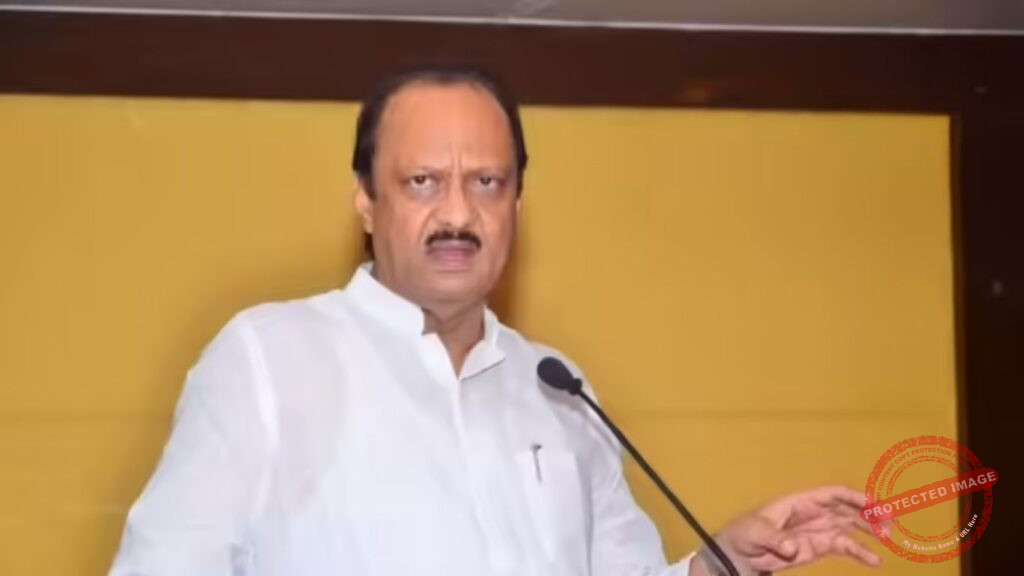
Deputy Chief Minister Ajit Pawar has declared that in his 35-year political career he has never misused even a single rupee and remains steadfast in his secular beliefs.
Parbhani, | 24 November 2025 – In a pointed statement that has drawn considerable attention, Deputy Chief Minister Ajit Pawar claimed that over his 35-year career in politics he has not been ashamed of even a single rupee. Speaking at a party event in Parbhani, he emphasised his commitment to secular values and asserted that the work of development is not trivial or childish. “In 35 years of public life I have not been ashamed of even one rupee,” he said, signalling a defiant posture amid persistent questions about governance and integrity.
The context for his remarks is the backdrop of ongoing scrutiny over corruption and misuse of power in state politics. Pawar sought to draw a clear line between his record and the accusations levelled by opponents. He reminded listeners that carrying out infrastructure projects or social welfare activities is not “baby-stuff” and must be taken seriously, reinforcing that his party stands firm on secular policies. His comment comes as opposition forces intensify criticism, pointing to historical scandals in which his name or network have surfaced. While formal investigations have yielded no conclusive verdict implicating him, the spectre of large-scale alleged corruption has lingered. Pawar’s invocation of his decades-long career serves as both a rebuttal to these allegations and a reassurance to his political base.
For much of Maharashtra’s electorate, the challenge of ensuring clean governance remains real. By publicly stating that he bears no shame over his earnings or conduct, Pawar is inviting scrutiny as well as support. Analysts note that such declarations are risky: they raise expectations of transparency and may invite further investigation. Yet for his supporters, this is a strong message of confidence and clarity. The venue in Parbhani was packed with party workers who greeted his remarks with applause, interpreting them as a show of strength. Meanwhile, critics argue that speeches alone are insufficient — they urge the disclosure of records, audits and tangible proof of clean administration. The gulf between rhetoric and delivery is often where public trust deteriorates. In Maharashtra, where corruption allegations have been recurrent across governments, citizens are weary of assurances without follow-through.
As the next electoral cycle approaches, Pawar’s statement may shape his image: to some as a leader untainted, to others as a politician under pressure. The implications extend beyond personality to the accountability culture in state politics. He has thrown down the gauntlet: he stands unashamed, he claims. Now the test for his party and the system is whether that claim holds up under public and institutional scrutiny. For now, the conversation is driven by his words in Parbhani — whether they lead to transparency, reform or further contestation remains to be seen.