Modi Signals Major Shift in India’s Education Model During Ayodhya Address
Ayodhya
At the Ram temple ceremony in Ayodhya, PM Modi criticised Macaulay’s colonial education legacy and hinted that India may move toward a new learning framework.
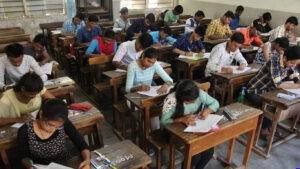
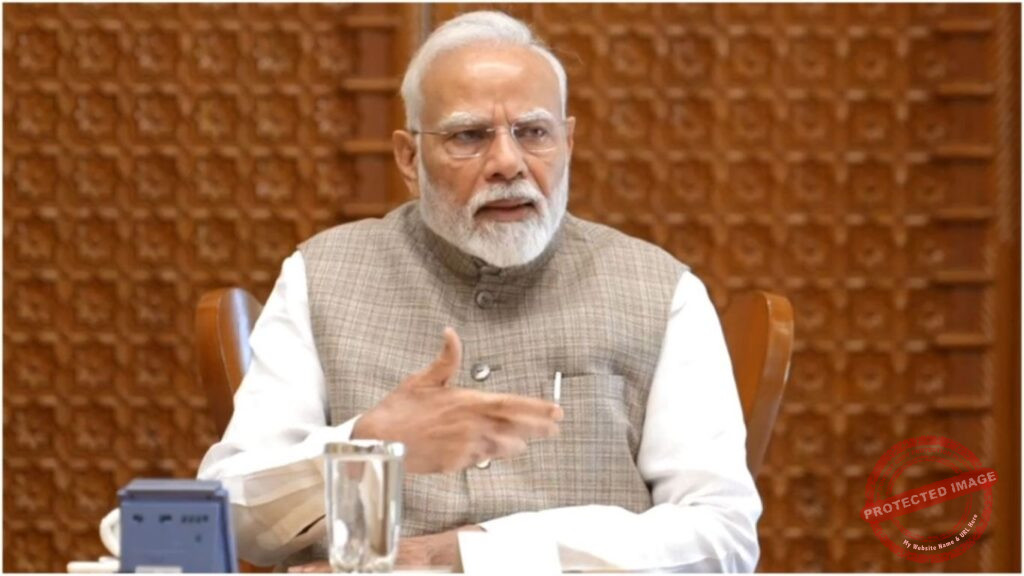
Ayodhya, Uttar Pradesh, November 25, 2025 – Prime Minister Narendra Modi used his address at the Ram temple flag-hoisting ceremony to drop a clear indication that India may be heading toward a major reform of its education system. Speaking before the crowd gathered for the symbolic ceremony, he criticised Thomas Babington Macaulay’s influence on India’s learning model and said the country must free itself from this colonial mindset within the next decade. Modi said that although India won political freedom many years ago, large parts of the current education framework remain tied to values and structures left behind by colonial rule. In his view, this limits the nation’s self-confidence and its ability to present its own cultural, scientific and democratic traditions. He argued that believing anything foreign is better and anything Indian is inferior has held the country back for too long.
The Prime Minister said India’s roots in democratic practice run far deeper than modern colonial history suggests. He referred to ancient forms of community governance and village assemblies that resolved issues collectively long before British rule. He said the time has come for India to reclaim that confidence and build an education system that reflects its real identity. Modi set an ambitious target for the country: by the time India approaches the centenary of its independence in 2047, it should be free from the shadow of Macaulay’s framework and standing tall as a developed nation. He framed this as a responsibility not just for today but for future generations, urging citizens to think long term and work toward lasting reforms.
While he did not outline specific structural or curricular changes, the hint was strong enough to spark nationwide curiosity. Teachers, educationists and policy analysts are now watching closely for follow-up announcements from the Ministry of Education. Many expect this shift to touch on multiple areas, including curriculum design, teaching methods, use of Indian languages, and the balance between traditional knowledge and modern learning. Modi linked his idea of a new education path with values associated with Lord Rama, stressing qualities like integrity, wisdom, discipline and commitment to public welfare. He said these qualities should guide both personal character and the systems that shape national development.
He also referred to recent steps taken by the government to restore national identity in official symbols. He mentioned the change in the Navy’s insignia, which now draws from Indian heritage instead of older foreign-influenced designs. He used this example to argue that India is steadily reshaping how it presents itself, and education should be part of this larger transformation. Modi also said Ayodhya is poised to become a significant centre in the vision of a developed India for the twenty-first century.
The Prime Minister’s remarks have triggered speculation about the scale and timing of the shift. Some believe changes may be phased in through policy revisions and updates to the existing framework, while others expect a more dramatic overhaul. What remains clear is that the government wants education to align with India’s cultural foundation while preparing students for global competition. As the country waits for detailed policy directions, the speech in Ayodhya has set the tone for what could be one of India’s most significant education discussions in years.
Do-follow Links:
Instagram
YouTube
Facebook
Twitter