Supreme Court allows elections in 57 Maharashtra local bodies despite OBC quota dispute
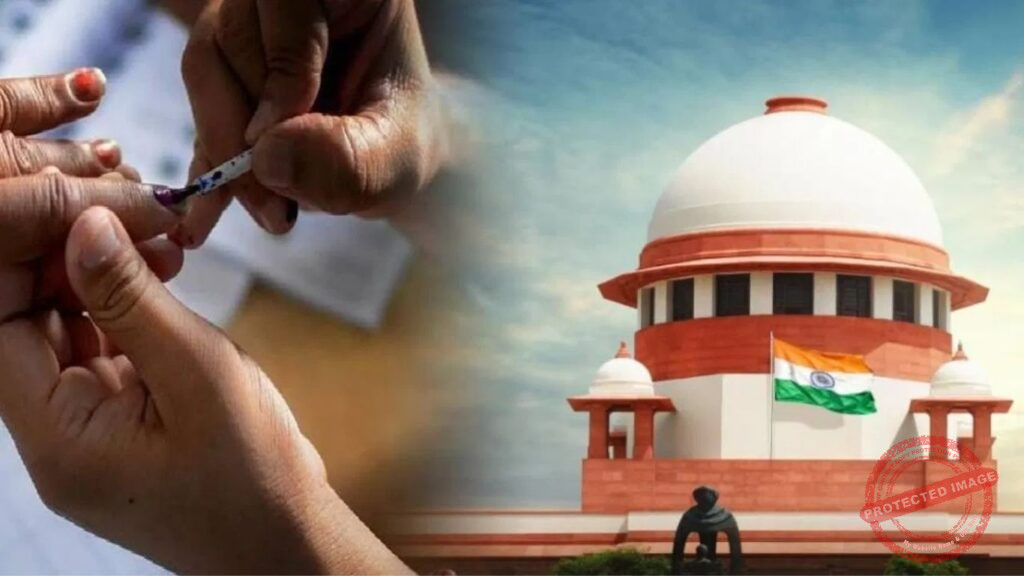
Supreme Court
The Supreme Court has permitted Maharashtra to conduct elections in 57 local bodies even though their reservation structure crosses the 50% limit, keeping final validity subject to its upcoming judgment.
Mumbai, November 28, 2025 – The Supreme Court has cleared the way for elections in 57 local bodies across Maharashtra, ending weeks of uncertainty triggered by objections over OBC reservation exceeding the 50 percent cap. The ruling means that polls in these municipalities and nagar panchayats will now proceed as scheduled, though the court has made it clear that the results will remain subject to the final verdict on the reservation issue.
The dispute began when petitioners pointed out that several local bodies had implemented an OBC quota that pushed total reservations beyond the constitutional limit. While the matter is still pending detailed examination, the court said that delaying elections any further would harm local governance. Many of these civic bodies have been functioning under administrators for long periods, and the court stressed that democratic processes should not be stalled indefinitely due to ongoing litigation.
Election officials have been instructed to go ahead with preparations immediately. Voter lists, ward boundaries and polling logistics will now move into the final stages. The ruling brings relief to both the State Election Commission and local administrations, which were facing mounting pressure to deliver elections that had been postponed multiple times.
Political parties are treating the order as a green signal to intensify their campaigns. Candidates are being finalised, alliances are being discussed and ground-level outreach has picked up again. In many towns, this decision has revived political activity that had slowed down due to uncertainty over the legal proceedings. For candidates reliant on the OBC quota, however, the situation remains delicate because the court’s final decision could affect their eligibility or the validity of their win.
The list of 57 bodies now cleared for elections includes municipalities and nagar panchayats spread across several districts. For many of these areas, the absence of elected representatives has slowed development work, created backlogs in civic matters and left key decisions in the hands of interim administrators. With polls resuming, local residents expect quicker resolution of long-pending civic issues.
The Supreme Court’s order also highlights a broader national debate about reservation policies in local governance. While the court has not yet ruled on the legality of the current quota in Maharashtra, it has indicated that the final judgment will determine whether the results in these 57 local bodies stand or whether fresh elections may be required. Until then, winning candidates will hold their seats conditionally.
The state government is expected to continue presenting its side when the court hears the main petition next year. Officials argue that OBC communities need meaningful representation, especially in rural and semi-urban areas, and that reservation adjustments are necessary to reflect population realities. Petitioners, meanwhile, maintain that the constitutional limit of 50 percent cannot be breached under any circumstance.
For now, the immediate impact is clear: Maharashtra’s civic elections will move forward, and voters in 57 local bodies will finally get the chance to elect representatives after long delays. The final word on the reservation dispute will come later, but the democratic process, at least for the moment, is back on track.