Supreme Court orders CBI to probe all “digital-arrest” scams nationwide
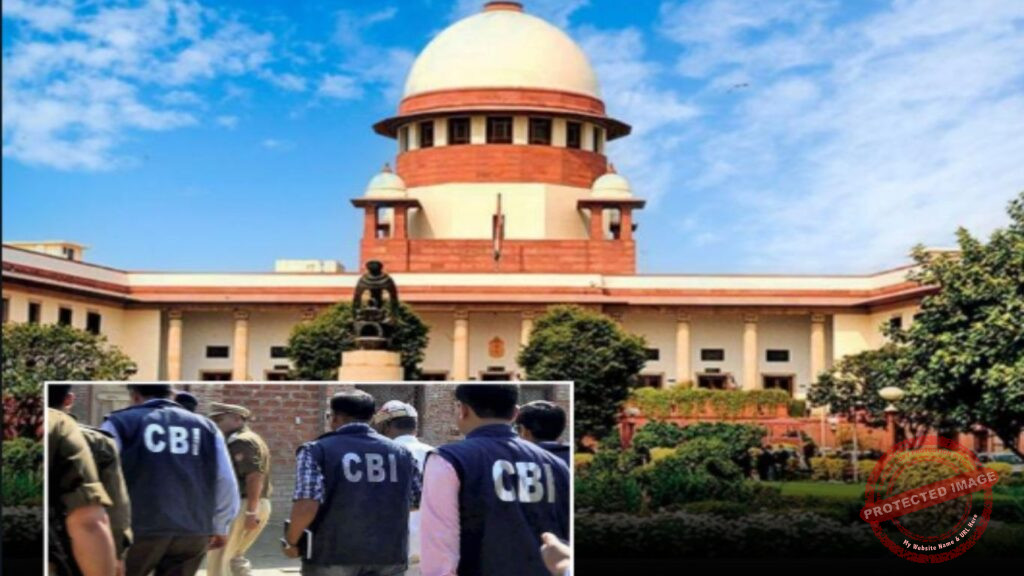
Supreme Court
The Supreme Court has directed that all digital-arrest and related cyber-fraud cases be handed over to the Central Bureau of Investigation, mandating cooperation from state police, banks and telecom operators to curb sophisticated scams.
New Delhi, December 1, 2025 – The Supreme Court has ordered that all digital-arrest scam cases across the country be transferred to the Central Bureau of Investigation. The court said these frauds have grown into a national threat and can no longer be handled through scattered, state-level investigations. The directive came after the court reviewed data showing thousands of citizens, especially senior citizens, being targeted through fake arrest threats, video calls and online intimidation.
Digital-arrest scams typically involve fraudsters posing as police officers, government officials or agency personnel. Victims are told they are under investigation and are coerced into transferring money to avoid arrest. Many are made to stay on video calls for hours while scammers take control of their accounts or pressure them into sending funds. The Supreme Court said the scale of the crimes and the sophistication of the technology used demand a single, coordinated national probe.
The court also noted that more than ₹3,000 crore has already been siphoned from victims across India through these scams. Many criminals operate from outside India, using foreign call centres, spoofed numbers and voice-cloning tools. The judges said only a central agency with international reach can track these networks effectively. The CBI has been directed to coordinate with global bodies, including INTERPOL, wherever necessary.
Telecom companies and banks have also been pulled into the spotlight. The court asked for stricter verification during SIM card issuance and tighter monitoring of suspicious bank accounts. It said banks must be more proactive in identifying sudden high-risk transactions linked to intimidation scams. The Reserve Bank of India has been asked to recommend AI-based tools that can detect unusual patterns and freeze suspected accounts quickly.
State governments and cyber-crime units have been told to hand over all case files, documents and digital evidence to the CBI without delay. The court said fragmented investigations have been one of the main reasons victims rarely get justice. Delays in freezing accounts, lack of coordination between states and inconsistent procedures have allowed scammers to escape easily.
The order has brought relief to victims who have been struggling with long, stalled investigations. Many said the threat was so convincing that they believed the caller was a real officer. Victims described being shown fake ID cards, forged warrants, fabricated videos and even deepfake visuals during the calls. The court acknowledged that victims were not at fault and that the fraud depended entirely on fear, technology and manipulation.
Cyber experts say the Supreme Court’s decision marks a turning point. Centralising all cases will help identify the masterminds behind the scam networks, which often operate like organised crime syndicates. Experts believe the move could also push telecom companies and digital-payment platforms to upgrade their fraud-detection frameworks.
With the order now in effect, the CBI is expected to set up dedicated teams to handle digital-arrest cases, coordinate with banks and issue fresh advisories to the public. The court has warned that any official found assisting the scam — whether in banking or telecom — will face strict action.
India has seen a sharp rise in digital deception over the last three years, and this decision aims to send a clear message: cyber intimidation will not be tolerated, and national-level oversight has become essential.