Vishal Dadlani Criticises 10-Hour Vande Mataram Debate, Faces Strong Online Pushback
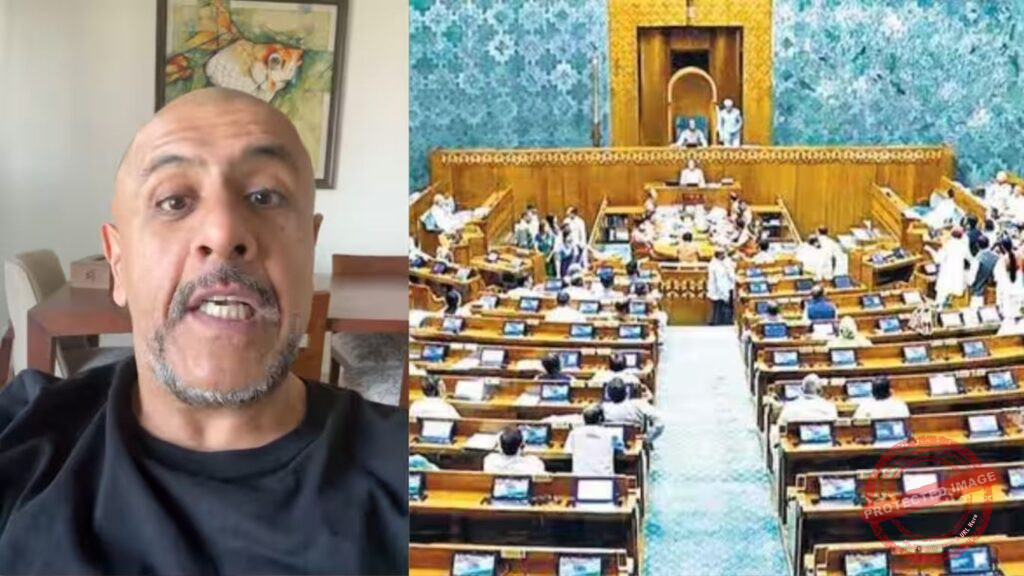
Vishal Dadlani
Vishal Dadlani slammed the long Vande Mataram debate in the Lok Sabha, but many users strongly disagreed and pushed back on social media.
Mumbai, December 10, 2025 – Music composer Vishal Dadlani triggered intense discussion on social media after he questioned the need for a lengthy 10-hour discussion on Vande Mataram in the Lok Sabha. Dadlani expressed his frustration online, suggesting that such extended debates divert attention from issues he believes need urgent national focus. His comment quickly reached a wide audience and sparked a heated exchange with users who felt he had misread the importance of the subject.
Dadlani argued that Parliament should prioritise matters like economic challenges and governance issues rather than spending so much time on symbolic subjects. He said debates are necessary, but only when they address concerns that directly affect citizens. His statement was intended as a broader criticism of what he described as misplaced priorities.
However, many online users reacted strongly. They countered that Vande Mataram is more than just a song and is deeply connected with India’s history and national identity. Several commenters said people should respect parliamentary debate on national symbols, even if they have different opinions on duration or timing. Some went further and accused Dadlani of undermining patriotic sentiment.
The exchange quickly grew into a polarised online argument, with some agreeing that Parliament should focus more on policy and others defending the importance of cultural and national topics. Social media platforms saw thousands of posts picking apart Dadlani’s comments, analysing the intention behind them and questioning whether celebrities should comment on legislative proceedings.
Supporters of Dadlani maintained that critique of parliamentary priorities is part of democratic expression and that citizens must be allowed to question legislative focus without being labelled anti-national. They stressed that Dadlani did not oppose Vande Mataram itself, but questioned whether lengthy sessions on such themes were the best use of parliamentary time.
On the other hand, a large number of users argued that discussions on patriotic symbols help strengthen national unity, especially when political divisions are visible across the country. They believe that cultural debates are also part of governance and deserve attention. Many pointed out that Parliament has the right to take up symbolic subjects if members feel it is necessary.
The controversy highlights how cultural subjects continue to generate strong reactions in India’s digital space. Comments from public figures often get amplified, resulting in fast-moving debates and sharply divided views. It also shows how social media has become a space where political and cultural opinions clash instantly, often without context or nuance.
For now, the episode remains a trending topic online and reflects how quickly conversations about nationalism and cultural identity can escalate. Whether or not Dadlani’s comments lead to a deeper discussion about parliamentary priorities, they have clearly tapped into strong opinions about patriotism and public discourse.