Film “Dhurandhar” Portrays 2001 Indian Parliament Attack and Afzal Guru’s Execution
Dhurandhar
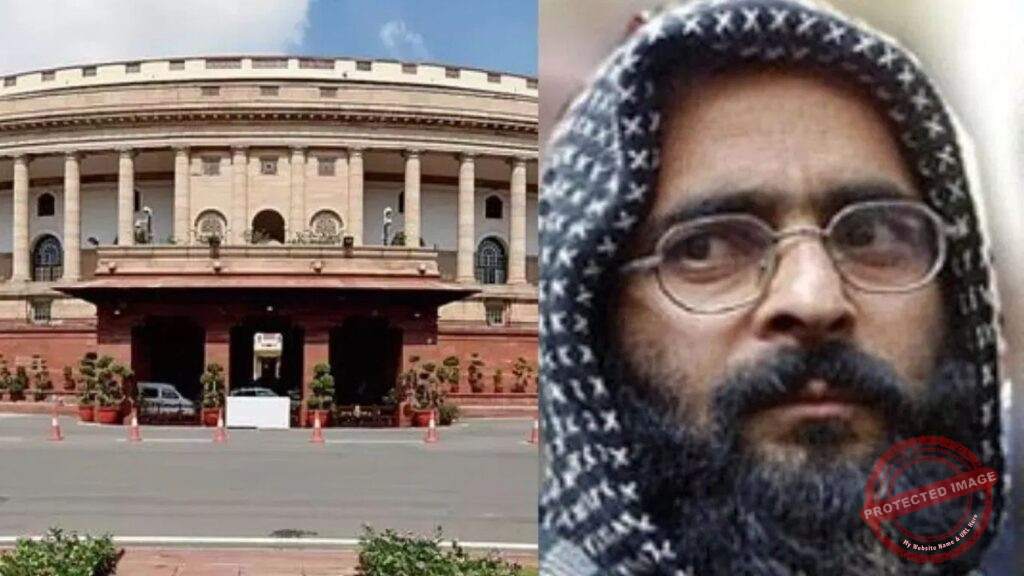
The movie “Dhurandhar” revisits the 2001 Indian Parliament attack and depicts the life, trial and execution of Afzal Guru, bringing the historic event back into public discussion.
Mumbai, December 18, 2025 – The upcoming film “Dhurandhar” has drawn attention by portraying the 2001 attack on the Indian Parliament and the execution of Afzal Guru, two events that remain among the most significant and controversial chapters in recent Indian history. The movie’s depiction has sparked discussion among audiences and critics about how cinema interprets real-world events and their impact on public memory
The Parliament attack on December 13, 2001, was a coordinated assault by armed terrorists on the Parliament House in New Delhi. The incident shook the nation, leading to heightened security measures and a prolonged investigation. Members of security forces and Parliament staff were killed in the attack, and the event triggered a massive national response both in law enforcement and in political discourse.
Afzal Guru, one of the accused in the Parliament attack case, was tried, convicted and eventually sentenced to death. His execution in 2013 was carried out after years of legal proceedings and appeals. The case drew strong reactions from different segments of society, with debates over judicial process, national security, civil liberties and human rights shaping public conversations for years.
“Dhurandhar” revisits these events through its narrative, tracing the sequence of the attack, the investigation and the judicial process that followed. Filmmakers say the aim is to provide a cinematic retelling that conveys the gravity of the events and the emotional and legal complexities involved. The portrayal of Afzal Guru’s trial and execution is expected to be a focal point, as it evokes discussion around law, punishment and the role of the judiciary in dealing with terrorism.
Cinema has often taken on sensitive historical episodes, and films like “Dhurandhar” contribute to how audiences understand and interpret national events. The attack on Parliament and Afzal Guru’s execution remain subjects of deep emotional resonance for many Indians. For some, these events symbolize national resilience in the face of terror. For others, they raise questions about justice, due process and the use of capital punishment.
Critics who have seen early visuals or read about the film’s content say that handling such material requires balance and sensitivity. Stories rooted in real violence and loss carry the weight of real families, real victims, and real sociopolitical consequences. How filmmakers frame motives, legal outcomes and the broader context can influence public perception.
The production team of “Dhurandhar” has emphasised that the film is not intended to inflame controversy but to prompt reflection on a defining moment in India’s post-independence history. Officials involved in the project say they consulted historical records, news reports and legal documentation to ensure that key elements are portrayed with accuracy.
Reactions among cinema enthusiasts and social commentators have been varied. Some praise the film for tackling a subject of national importance and bringing a major historical event to wider attention through the medium of cinema. Others caution that strong subject matter requires careful storytelling to avoid misinterpretation or unintended political readings.
Political observers note that films dealing with terrorism, national security and judicial outcomes often become part of broader cultural debates. “Dhurandhar” may similarly find itself at the centre of discussions about the role of art in shaping collective memory, the responsibilities of storytellers, and how history is conveyed to younger generations who were not direct witnesses to the events.
Audience interest is expected to be strong when the film releases, particularly among those who lived through the times of the Parliament attack and its legal aftermath. The movie could also revive conversations about legal proceedings, punishment and reconciliation in democratic societies facing terrorism.
As “Dhurandhar” prepares for its release, the balance between entertainment, historical retelling and social commentary will likely determine its reception. Whether it becomes a widely acclaimed portrayal of a difficult chapter or a flashpoint for debate, the film is set to bring one of India’s most consequential security events back into public view.
Follow us On Our Social media Handles :
Instagram
Youtube
Facebook
Twitter
Also Read- Pune