NCP Sharad Pawar Faction Leader Jayant Patil Meets Uddhav Thackeray, Sparks Political Speculation
Sharad Pawar
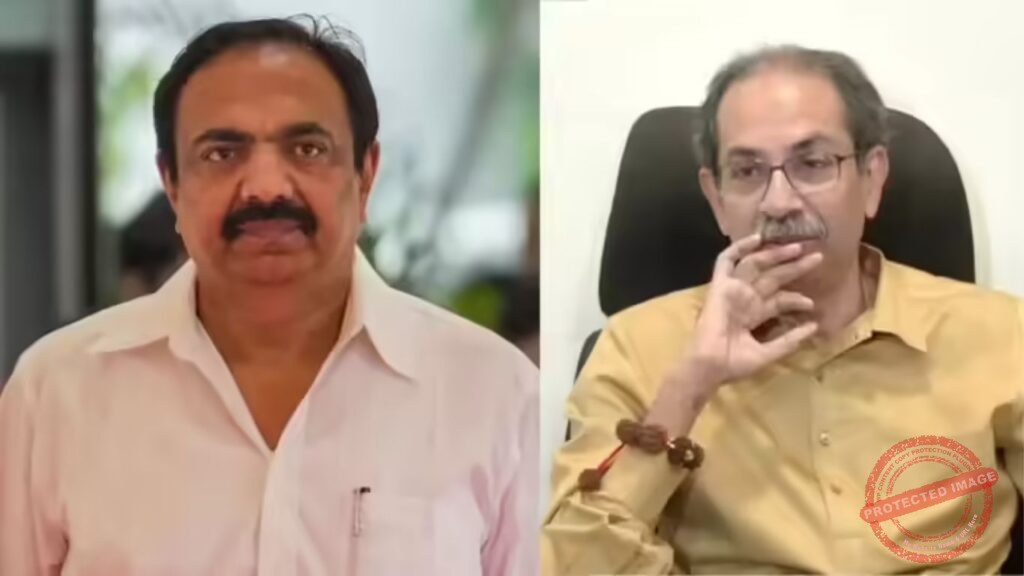
Jayant Patil from the NCP Sharad Pawar faction meets Shiv Sena (UBT) chief Uddhav Thackeray in Mumbai, fueling fresh political discussions in Maharashtra.
December 26, 2025 | Mumbai – Maharashtra’s political circles witnessed renewed buzz after senior Nationalist Congress Party leader from the Sharad Pawar faction, Jayant Patil, met Shiv Sena (UBT) chief Uddhav Thackeray in Mumbai on December 26, 2025. The meeting has triggered widespread speculation about opposition coordination, alliance strategies, and future political alignments ahead of upcoming civic and state-level elections.
Jayant Patil, considered one of the most experienced and trusted leaders within the Sharad Pawar camp, is known for his strategic approach and calm political style. His meeting with Uddhav Thackeray is being viewed as significant, especially at a time when opposition parties are reassessing their positions in response to shifting political equations in Maharashtra. While no official statement was issued immediately after the meeting, the interaction has been widely interpreted as part of broader discussions on political cooperation.
Political observers note that the timing of the meeting is crucial. With municipal corporation elections approaching in major cities like Mumbai, Pune, and Thane, opposition unity has become a key topic of discussion. Fragmented opposition votes have often benefited the ruling alliance in recent elections, prompting leaders to explore avenues for better coordination and understanding.
Sources familiar with the development suggest that the meeting focused on the current political situation in the state, including alliance dynamics, civic election strategies, and the need for issue-based opposition. Both leaders are believed to have exchanged views on how to counter the ruling coalition effectively while addressing public concerns such as inflation, employment, and civic governance.
The Sharad Pawar-led NCP faction and the Uddhav Thackeray-led Shiv Sena have shared political space in the past as part of opposition alliances. However, internal splits within parties and changing alliances have altered the political landscape significantly. In this context, the Jayant Patil–Uddhav Thackeray meeting is seen as an attempt to rebuild channels of communication and explore possibilities for future collaboration.
Within political circles, reactions to the meeting have been mixed. Supporters of opposition unity have welcomed the dialogue, calling it a necessary step to strengthen democratic opposition in the state. They argue that coordinated efforts are essential to present a credible alternative to the ruling alliance. On the other hand, skeptics caution that meetings alone do not guarantee electoral alliances, emphasizing the challenges of seat-sharing and leadership coordination.
Leaders from the ruling alliance have downplayed the significance of the meeting, suggesting that opposition leaders often hold discussions that do not translate into concrete outcomes. However, analysts believe that even symbolic interactions can influence political narratives, particularly when they involve senior leaders with strong followings and organisational influence.
Jayant Patil’s role in the Sharad Pawar faction has been pivotal, especially in maintaining organisational discipline and articulating the party’s stance during periods of political turbulence. Similarly, Uddhav Thackeray continues to remain a central figure in opposition politics, commanding loyalty among Shiv Sena (UBT) supporters despite electoral challenges.
As Maharashtra moves into an election-focused phase, such interactions are expected to increase. Political observers believe that opposition parties will continue to explore common ground while keeping their strategic options open. The meeting between Jayant Patil and Uddhav Thackeray may or may not result in an immediate alliance, but it has undoubtedly added momentum to discussions around opposition unity.
As of December 26, 2025, the political implications of the meeting remain open to interpretation. Whether it leads to formal coordination or remains a consultative exchange will become clearer in the coming weeks. What is certain is that Maharashtra’s political landscape remains dynamic, with dialogue and negotiation shaping the road ahead.
Follow us On Our Social media Handles :
Instagram
Youtube
Facebook
Twitter
Also Read- Pune