Maharashtra Municipal Election 2026: Full List of Party Alliances in Mumbai, Thane, Pune and Nashik
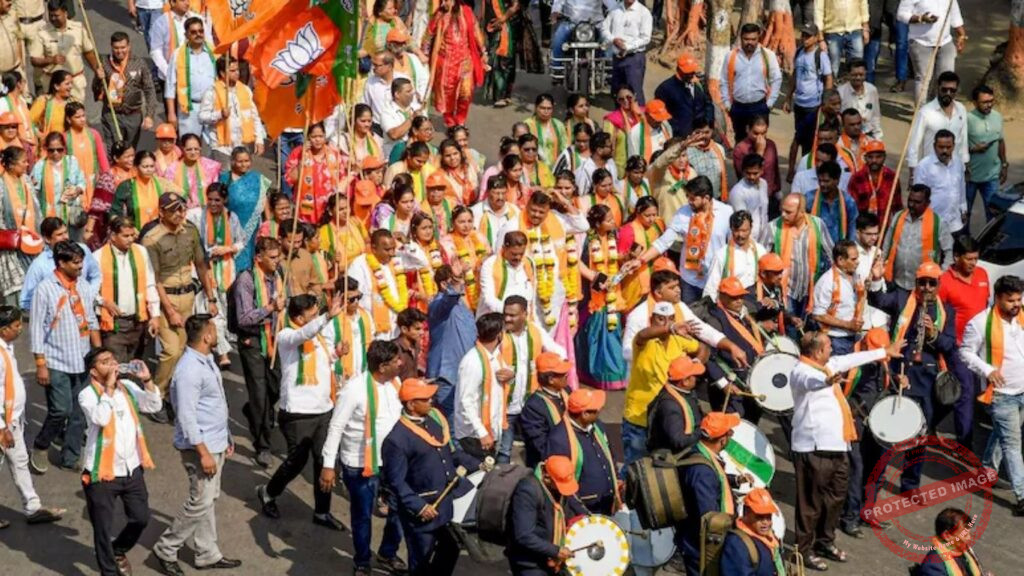
Maharashtra Municipal Election
Ahead of Maharashtra Municipal Election 2026, major parties finalise alliances in Mumbai, Thane, Pune and Nashik, shaping a multi-cornered and high-stakes civic battle.
January 3, 2026 | Mumbai – As Maharashtra prepares for the crucial Municipal Elections 2026, political equations across major cities such as Mumbai, Thane, Pune, and Nashik have largely taken shape with parties announcing alliances and seat-sharing understandings. The emerging alliance structure, reported on January 3, 2026, reflects intense political competition and highlights the strategic importance of urban local bodies in the state’s broader political landscape.
In Mumbai, the Brihanmumbai Municipal Corporation election is witnessing a highly complex contest with multiple alliances and independent party strategies. The BJP-led Mahayuti, which includes the Shiv Sena Shinde faction, the Nationalist Congress Party led by Ajit Pawar, and allies such as the Republican Party of India, is positioning itself as a united front. The Mahayuti aims to leverage organisational strength, governance claims, and coordination with the state government to challenge rivals in India’s richest municipal corporation.
On the other side, the opposition space in Mumbai remains fragmented but active. The Shiv Sena (Uddhav Balasaheb Thackeray faction) and the Congress are exploring tactical coordination in select wards, while the Maharashtra Navnirman Sena is contesting independently, seeking to mobilise Marathi voters. Prakash Ambedkar’s Vanchit Bahujan Aghadi has also entered the fray by announcing its own candidate list, adding another layer to the multi-cornered contest.
In Thane, traditionally considered a stronghold of the Shiv Sena, alliance dynamics are closely watched. The Mahayuti is contesting with coordination between the BJP and the Shiv Sena Shinde group, aiming to consolidate its dominance. Opposition parties, including the Shiv Sena UBT faction and the NCP Sharad Pawar group, are focusing on selective ward-level strategies to challenge the ruling alliance.
Pune’s municipal election is emerging as one of the most competitive contests in the state. The BJP is contesting aggressively, banking on its organisational network and previous civic performance. The NCP factions, Congress, and Shiv Sena UBT are attempting to counter the BJP’s influence through issue-based campaigning and local alliances. Pune’s electorate, known for being politically aware and performance-driven, is expected to play a decisive role in determining the effectiveness of these alliances.
In Nashik, alliance arrangements reflect local political realities and leadership dynamics. The BJP and its Mahayuti partners are aiming to strengthen their presence, while opposition parties are focusing on anti-incumbency sentiments and civic issues such as water supply, infrastructure, and urban planning. Nashik’s election is seen as particularly important due to its regional influence and symbolic political value.
Political analysts note that municipal elections differ significantly from state and national polls, as local issues, candidate credibility, and ward-level networks often outweigh broader ideological considerations. Alliances, therefore, are being shaped not only by party leadership decisions but also by ground-level calculations and voter demographics.
Across cities, key civic concerns such as roads, drainage, public transport, housing redevelopment, water management, and rising cost of living are expected to dominate voter priorities. Parties and alliances are tailoring their campaigns to address these issues while also projecting stability and governance capability.
As of January 3, 2026, the alliance landscape indicates that Maharashtra’s municipal elections will be fiercely contested, with no single party enjoying an easy path to victory in major urban centres. The presence of multiple alliances and independent players is likely to result in close contests in several wards.
The coming weeks will see intensified campaigning, sharper political messaging, and possible last-minute adjustments in local understandings. Ultimately, the success of alliances in Mumbai, Thane, Pune, and Nashik will depend on how effectively parties convert strategic tie-ups into voter trust and electoral performance, shaping the future of urban governance in Maharashtra.
Follow us On Our Social media Handles :
Instagram
Youtube
Facebook
Twitter
Also Read- Pune