Pimpri-Chinchwad Municipal Election 2026: Blind Voters Face Difficulties Due to Lack of Braille Signage on EVMs
Chinchwad
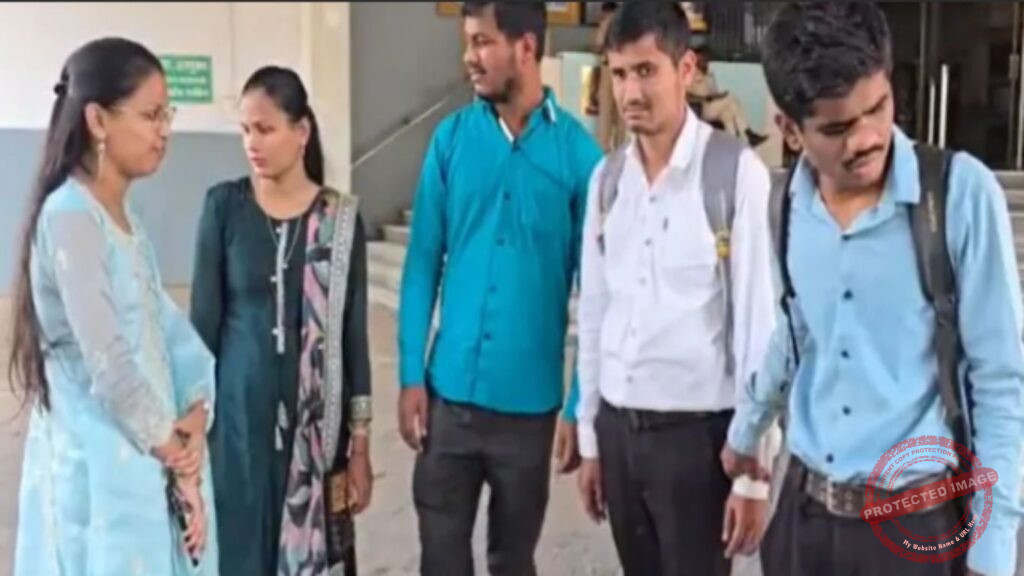
Serious concerns have been raised in Pimpri-Chinchwad after visually impaired voters faced problems casting votes due to the absence of Braille signage on ballot and EVM machines.
January 15, 2026 | Pimpri-Chinchwad – On January 15, 2026, concerns over accessibility and inclusivity surfaced during the Pimpri-Chinchwad Municipal Corporation Election 2026 after visually impaired voters reported difficulties in casting their votes independently. The issue arose due to the alleged absence of Braille signage on ballot units and Electronic Voting Machines (EVMs), raising questions about the preparedness of election authorities to accommodate voters with disabilities.
According to reports from Pimpri-Chinchwad, blind and visually impaired voters faced challenges in identifying symbols and options on voting machines, making it difficult for them to exercise their right to vote as per their own choice. Several voters stated that they were forced to rely on assistance from polling officials or accompanying persons, which compromised the secrecy and independence of their vote.
Disability rights activists and social organisations highlighted that the Election Commission has clear guidelines regarding accessible voting for persons with disabilities. These include the provision of Braille labels on EVMs, ramps at polling stations, trained staff, and voter assistance mechanisms. The reported absence of Braille signage during the Pimpri-Chinchwad civic polls has therefore sparked concern over compliance with these guidelines.
On January 15, 2026, representatives of organisations working for the rights of the visually impaired criticised the election administration for what they described as a serious oversight. They argued that municipal elections, which directly affect daily civic services, should ensure full participation of all citizens, including persons with disabilities. According to them, accessibility is not a privilege but a constitutional right.
Election officials responded by stating that the matter was being reviewed and that necessary reports were being sought from polling officers. Authorities clarified that assistance to voters with disabilities is permitted under election rules, but acknowledged that independent voting is the ideal standard. Officials assured that corrective measures would be considered to avoid such issues in future elections.
Political parties also reacted to the issue, with opposition leaders accusing the administration of neglecting the needs of disabled voters. They demanded immediate accountability and urged the State Election Commission to ensure strict implementation of accessibility norms. Some leaders termed the situation unfortunate and said it reflected poorly on the conduct of elections in a progressive urban region like Pimpri-Chinchwad.
Experts pointed out that Pimpri-Chinchwad has a large and diverse voter base, and ensuring inclusive polling arrangements is critical for maintaining public confidence in the electoral process. They noted that while technological advancements have improved election efficiency, equal emphasis must be placed on accessibility for senior citizens and persons with disabilities.
The issue has also triggered a broader debate on social media, with citizens questioning how blind voters can truly exercise free choice if basic assistive measures are missing. Several users called for better training of polling staff and stricter monitoring to ensure that accessibility guidelines are followed at every polling booth.
As of January 15, 2026, polling in Pimpri-Chinchwad continued under heightened scrutiny, with election authorities assuring voters that their concerns would be addressed. The incident has highlighted the need for stronger institutional mechanisms to safeguard inclusive participation in elections.
The Pimpri-Chinchwad Municipal Election 2026 has thus brought attention to an important but often overlooked aspect of democracy—equal access to voting. Ensuring that visually impaired voters can cast their ballots independently and with dignity remains a key responsibility of election authorities. The developments have reinforced the need for accessibility to be treated as a core component of electoral integrity, not an afterthought.
Follow us On Our Social media Handles :
Instagram
Youtube
Facebook
Twitter
Also Read- Pune