Larvae Found in Drinking Water in Pune’s Mohammadwadi-Undri, Sparks Fresh Water Crisis Concerns
Pune
Larvae detected in drinking water supplied to Pune’s Mohammadwadi and Undri areas, raising public health alarms and triggering political outrage.
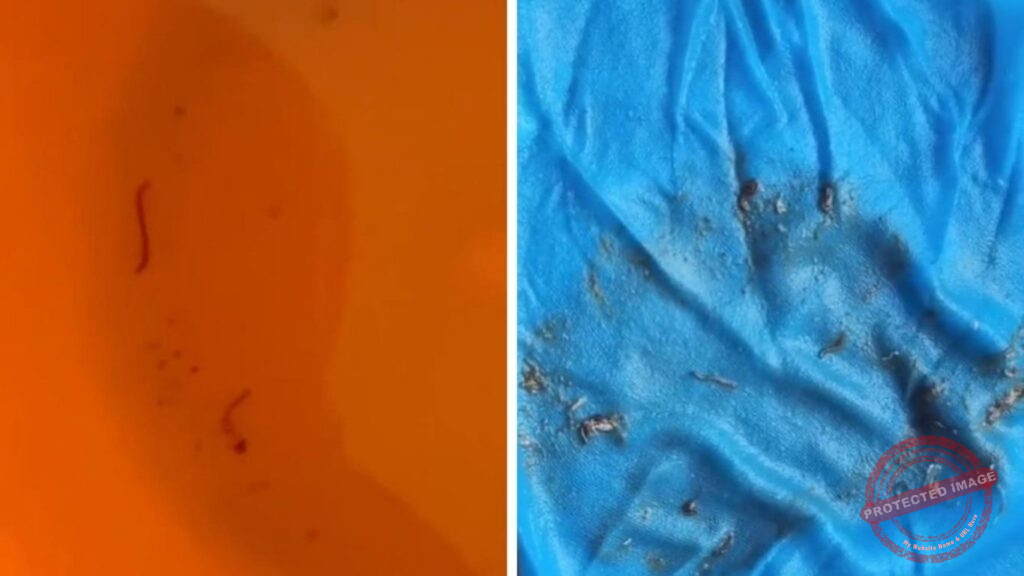
Pune|31 January,2026: Pune is once again facing serious questions over drinking water safety after larvae were allegedly found in water supplied to residential societies in the Mohammadwadi and Undri areas. The discovery has sparked widespread concern among residents, intensified political reactions, and highlighted persistent gaps in civic infrastructure and water quality monitoring. These localities, which have seen rapid urban growth over the past decade, depend heavily on municipal water supply, making the incident particularly alarming for thousands of families.
Residents reported noticing worm-like organisms in tap water used for daily consumption, prompting many housing societies to immediately stop using municipal water for drinking and cooking purposes. Visuals of contaminated water circulated widely on social media, escalating public outrage and fear of waterborne diseases. Several families have shifted to bottled water and private tankers, increasing household expenses and adding to the burden on middle-income residents already grappling with irregular water supply.
The issue gained political momentum after Shiv Sena (UBT) leaders visited the affected areas and publicly presented water samples allegedly containing larvae. Party representatives accused the Pune Municipal Corporation of negligence and claimed that repeated complaints from residents about water quality, foul smell, and pipeline issues were ignored. According to local leaders, the problem is not sudden but the result of prolonged neglect, poor maintenance, and lack of timely inspection of pipelines and water storage facilities.
Public health experts have warned that contaminated drinking water can lead to serious illnesses such as gastroenteritis, typhoid, cholera, and parasitic infections, especially among children, senior citizens, and individuals with weak immunity. Environmental specialists suggest that the presence of larvae usually points to stagnation, leakages in pipelines, or contamination at overhead and underground storage tanks. In fast-developing suburbs like Mohammadwadi and Undri, unplanned construction and aging pipelines often increase the risk of sewage and drinking water lines mixing.
Following mounting pressure, civic authorities conducted site inspections and collected water samples for laboratory testing. Officials stated that preliminary checks are underway and assured residents that corrective measures will be taken if contamination is confirmed. However, many locals remain skeptical, citing previous instances where temporary assurances failed to translate into long-term solutions. Experts argue that Pune’s water crisis has evolved from a seasonal issue into a systemic urban challenge driven by rapid population growth and infrastructure lag.
Urban planners and civic activists warn that unless strict monitoring, regular audits, and transparent reporting systems are implemented, similar incidents could surface in other parts of Pune. Ensuring safe drinking water, they emphasize, is not just about supply but also about quality control, accountability, and proactive governance. The Mohammadwadi–Undri incident has become a stark reminder of the urgent need to strengthen Pune’s water management systems.
In conclusion, the detection of larvae in drinking water supplied to Pune’s Mohammadwadi and Undri areas has raised serious public health and governance concerns. As investigations continue, residents are demanding not just immediate corrective action but sustainable, long-term solutions to ensure clean and safe drinking water. The incident underscores the importance of infrastructure upgrades, routine quality checks, and responsive civic administration in a rapidly growing city like Pune.
Follow us On Our Social media Handles :
Instagram
Youtube
Facebook
Twitter
Also Read- Pune