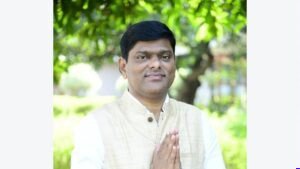
Pune Air Pollution Now As Serious As Delhi, Warns PMC Commissioner
Pune
Pune air pollution reaches critical levels comparable to Delhi, PMC partners with IITM for a strategic action plan; experts say urgent systemic change needed.
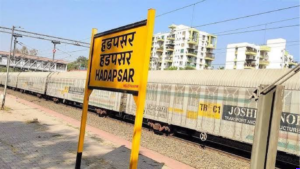
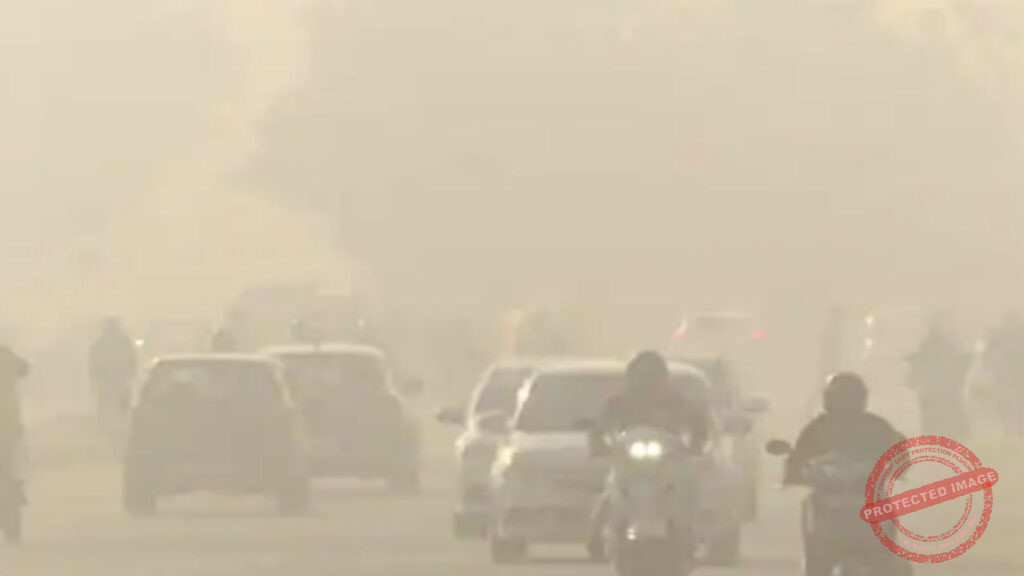
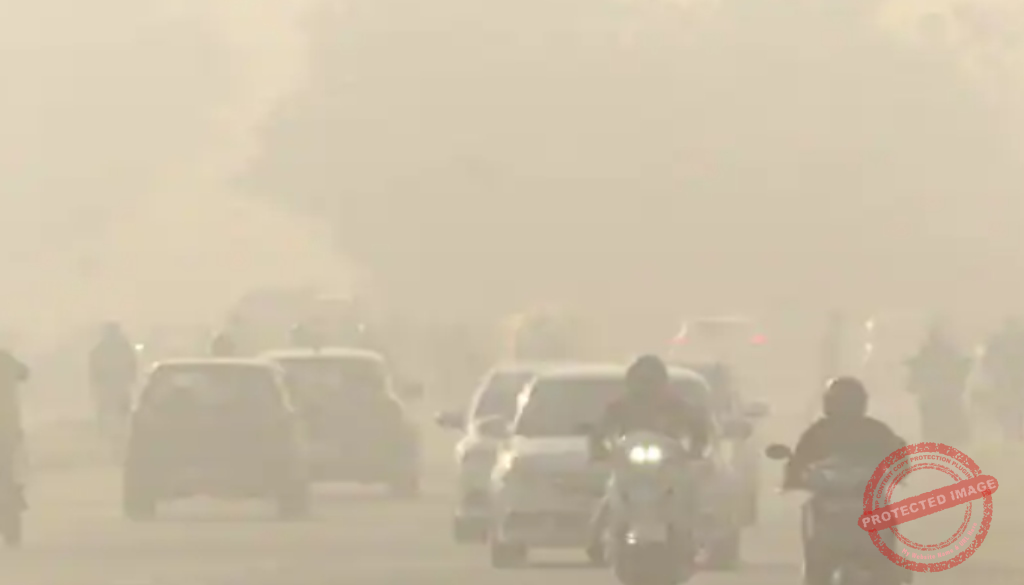
Pune | 13 February, 2026- Pune’s air quality has reached a critical stage, now comparable to the pollution levels seen in Delhi, according to Pune Municipal Corporation (PMC) Commissioner Naval Kishore Ram. Addressing growing public concern over worsening smog, dust accumulation, and respiratory complaints across the city, the commissioner acknowledged that air pollution in Pune is no longer seasonal but a persistent year-round challenge. Once considered one of Maharashtra’s relatively cleaner metropolitan cities, Pune is now witnessing alarming Air Quality Index (AQI) spikes, with particulate matter levels—particularly PM2.5 and PM10—frequently exceeding safe limits prescribed by the World Health Organization. Rapid urbanisation, exponential vehicle growth, aggressive infrastructure expansion, and construction dust have collectively pushed the city toward an environmental tipping point. Over the past few years, Pune has seen massive real estate development, metro construction, and road widening projects, all of which contribute significantly to airborne dust and emissions. Additionally, the city’s registered vehicle count has surged dramatically, with lakhs of private vehicles adding to daily congestion and vehicular emissions, a primary contributor to deteriorating air quality. Citizens in localities such as Hadapsar, Shivajinagar, Kothrud, and Lohegaon have reported visible haze, throat irritation, and increased breathing discomfort, especially during early mornings and late evenings when atmospheric conditions trap pollutants closer to the ground.
Recognising the urgency of the situation, the PMC has partnered with the Indian Institute of Tropical Meteorology (IITM) to establish a scientific task force aimed at tackling air pollution through data-driven strategies. This joint task force will analyse real-time monitoring data, identify pollution hotspots, assess emission sources, and recommend phased interventions over the next three, six, and twelve months. According to Commissioner Ram, merely monitoring pollution levels is insufficient; the city requires coordinated policy implementation, inter-departmental cooperation, and strict enforcement of construction norms, dust control measures, and emission regulations. Environmental experts suggest that Pune’s geography, combined with increasing built-up areas and reduced green cover, may also be intensifying pollution retention within city limits. Open garbage burning in certain areas and emissions from small-scale industries further compound the issue. Public health specialists warn that prolonged exposure to high particulate matter levels can increase risks of asthma, cardiovascular diseases, bronchitis, and reduced lung function, particularly among children and the elderly.
Urban planners argue that Pune must adopt sustainable mobility solutions such as stronger public transport networks, electric vehicle promotion, better traffic management systems, and stricter construction compliance norms. The city may also need regional coordination with neighbouring Pimpri-Chinchwad to manage cross-boundary pollution sources effectively. While Pune ranked better in certain national clean air surveys in previous years, the commissioner’s recent statement signals that surface-level improvements may not reflect the deeper, structural challenges the city faces. Experts emphasize that without long-term systemic reforms and active public participation, Pune risks becoming another major Indian city battling chronic air pollution crises similar to Delhi. The PMC’s collaboration with IITM is seen as a crucial step, but sustained political will, transparent implementation, and citizen accountability will ultimately determine whether Pune can reverse its alarming pollution trend. The coming months will be decisive in shaping whether the city regains its reputation as a liveable urban hub or continues sliding into a hazardous air quality zone.
Follow us On Our Social media Handles :
Instagram
Youtube
Facebook
Twitter
Also Read- Pune