Major Lapse by Pune Police! Failure to File Chargesheet on Time Grants Bail to Notorious Tipu Pathan and 6 Others
Police
Pune Police fail to file chargesheet within 90 days under MCOCA; court grants bail to alleged gangster Tipu Pathan and six associates.
Pune | 13 February, 2026- While Pune Police Commissioner Amitesh Kumar has been publicly cracking down on organized crime and demolishing illegal properties linked to gang networks, a serious procedural lapse has now handed relief to an alleged gangster. Due to the failure to file a chargesheet within the legally mandated 90-day period, a special court has granted bail to Rizwan alias Tipu Pathan and six of his associates. The development has sparked debate over investigative accountability within the police department.
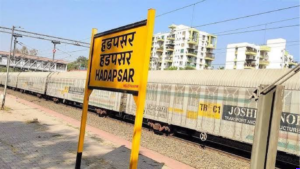
The accused were arrested in November 2025 in connection with an alleged land-grabbing and extortion case in the Hadapsar area of Pune. According to investigators, the group had allegedly taken illegal possession of a property and demanded ₹25 lakh as extortion from the complainant. Considering the gravity of the allegations and the accused’s alleged criminal background, police had invoked the stringent provisions of the Maharashtra Control of Organised Crime Act (MCOCA) against them. The move was projected as part of a broader strategy to dismantle organized criminal networks operating in the city.
In the months following the arrests, Pune Police had also initiated action against properties allegedly linked to the accused, including demolition drives targeting unauthorized constructions. These actions were widely publicized as part of a strong anti-gang campaign under Commissioner Kumar’s leadership. However, despite the aggressive enforcement approach, the legal process faltered at a critical stage.
Under MCOCA and criminal procedure law, investigators are required to file a chargesheet within 90 days of arrest, or formally seek an extension from the court if additional time is needed for investigation. In this case, neither a chargesheet was filed within the stipulated period nor was an extension properly secured. Taking note of this lapse, Special MCOCA Judge S. S. Kanthale granted statutory bail to Rizwan alias Tipu Pathan, along with his associates including Ijaz Pathan and Saddam Pathan, among others.
Legal experts point out that such bail is considered a “default bail” under procedural law and does not amount to acquittal. It is granted purely on the ground that the investigating agency failed to comply with statutory timelines. However, the implications are significant, particularly in cases involving organized crime where authorities rely on strict legal frameworks like MCOCA to ensure prolonged custody during investigation.
In a further setback to the prosecution, the court has reportedly directed that a copy of its order highlighting the procedural lapse be sent to Police Commissioner Amitesh Kumar. This directive has intensified scrutiny on the officers responsible for handling the investigation. It remains to be seen whether internal departmental action will follow against those who failed to meet the statutory deadline.
The case has raised larger concerns about coordination and oversight within high-profile investigations. While enforcement actions such as demolitions and public crackdowns send a strong message, legal sustainability ultimately depends on meticulous adherence to procedure. Any delay or oversight in filing crucial documents like the chargesheet can undermine months of investigative work.
For Pune Police, this episode serves as a reminder that in organized crime cases, procedural compliance is as critical as operational action. The investigation in the extortion case is expected to continue, and authorities may still file a chargesheet and pursue prosecution. However, for now, the accused have secured their release on bail—an outcome that has drawn attention to the importance of timely legal processes in the criminal justice system.
Follow us On Our Social media Handles :
Instagram
Youtube
Facebook
Twitter
Also Read- Pune