Supreme Court Dismisses Abu Salem’s Plea for Release Despite Claim of Completing 25-Year Sentence
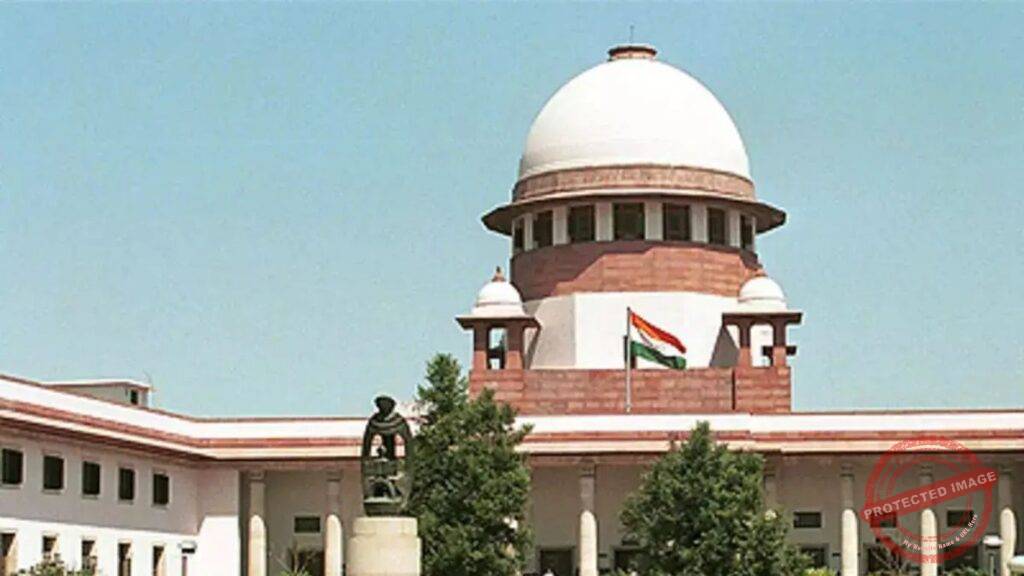
Supreme
The Supreme Court of India on Monday dismissed the application of convicted gangster Abu Salem, who had sought his premature release claiming he had completed the 25‑year sentence stipulated under the extradition agreement between India and Portugal in the 1993 Mumbai serial blasts case
Mumbai | February 16, 2026:Salem, who is serving a sentence for multiple offences under the Terrorist and Disruptive Activities (Prevention) Act (TADA) related to the 1993 blasts that killed 257 people, argued that his time in custody including undertrial period, post‑conviction imprisonment, and remission earned for good conduct exceeded 25 years, making him eligible for release.
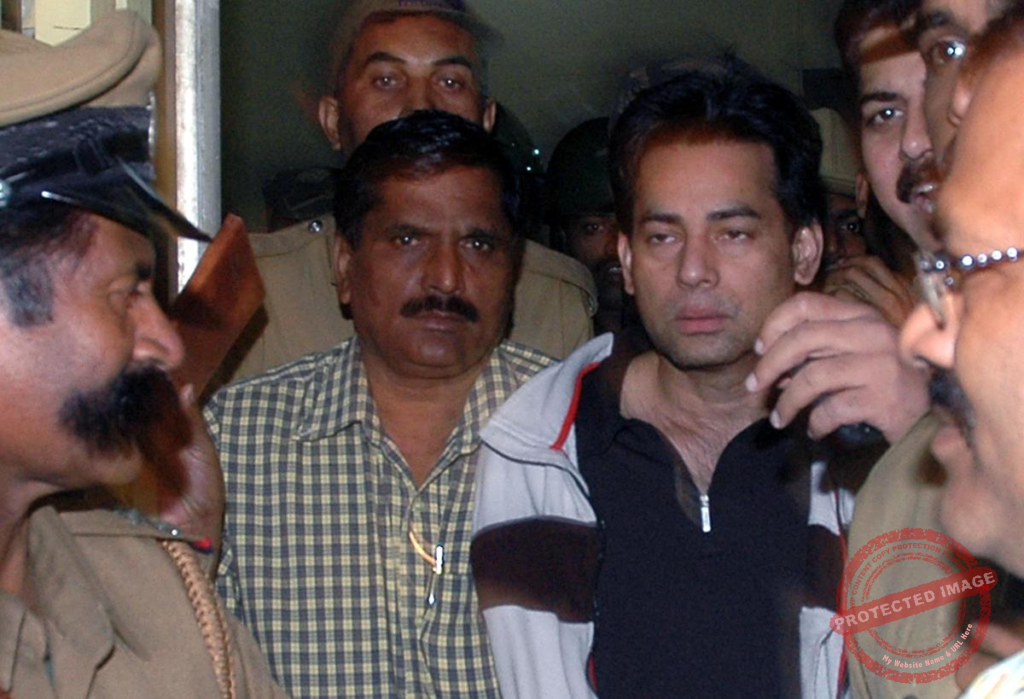
However, a Bench led by Justices Vikram Nath and Sandeep Mehta rejected his plea, noting that the legality of remission and whether convicts under TADA can receive such benefits must be examined by the Bombay High Court. The Supreme Court clarified that it would not determine his release at this stage and allowed him the liberty to move the High Court for a detailed hearing of his petition.

During the hearing, Salem’s counsel argued that remission earned for good behaviour should count toward his 25‑year term, but the court questioned the applicability of remission rules to TADA convicts. The Bench noted that the calculation of actual time served and eligibility for release requires further judicial scrutiny.
Salem had earlier approached the Bombay High Court seeking a direction to specify a release date based on his calculation that he had completed the 25‑year term. The High Court observed that there were “arguable questions” relating to his claim and had not granted immediate relief.
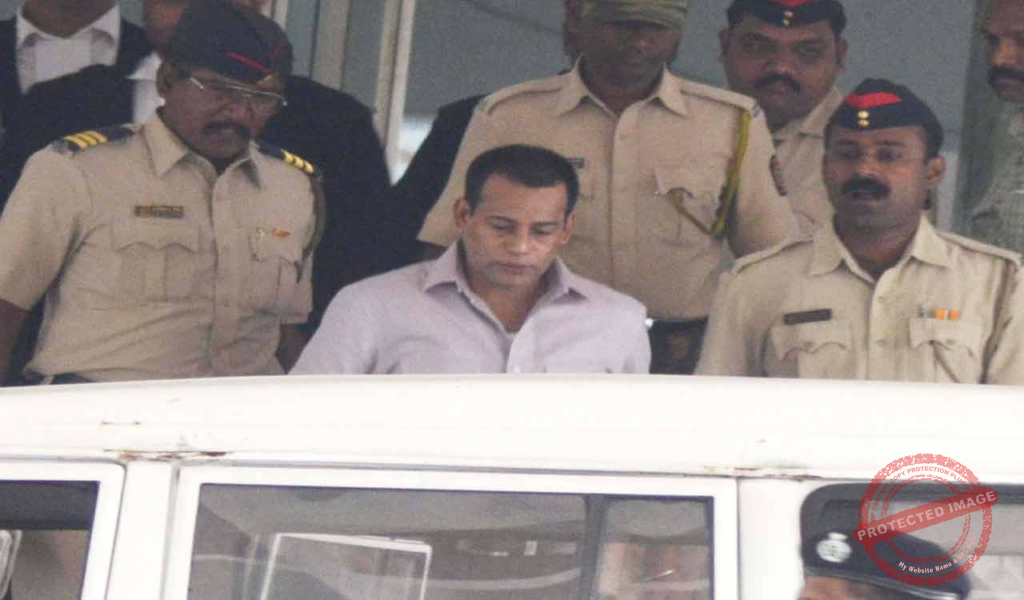
Now, Salem’s case returns to the High Court, where the legal issues surrounding remission, time served, and interpretation of the extradition assurances will be examined. The Supreme Court’s decision maintains Salem’s incarceration for the time being, and highlights the complex interplay between international agreements, remission rules, and terrorism‑related convictions in Indian law.
Follow us On Our Social media Handles :
Instagram
Youtube
Facebook
Twitter
Also Read- Pune