JEE Main 2026 Session 1 Analysis: Chemistry “Trap”, Strategic Lessons & Roadmap to Session 2
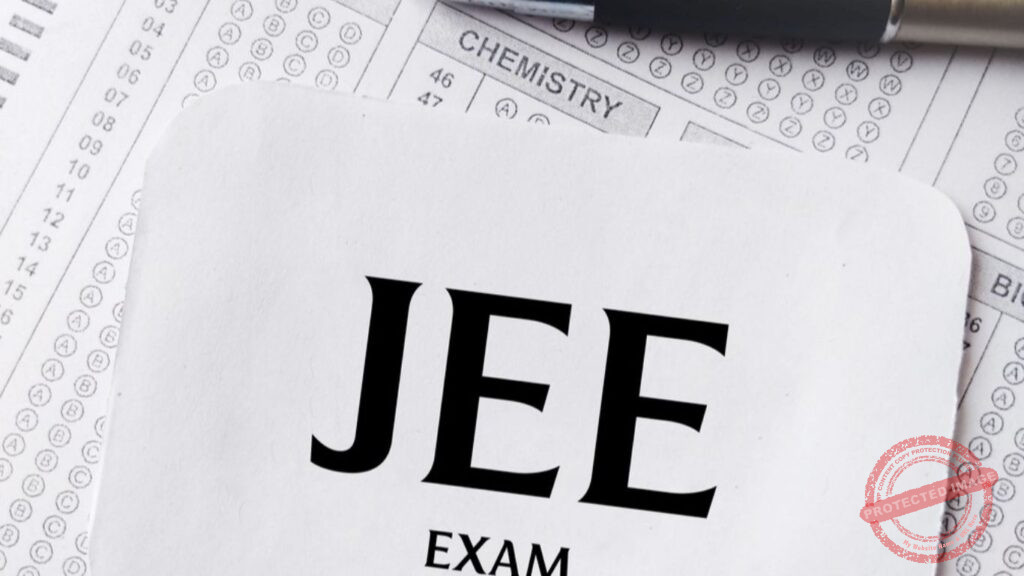
JEE
NTA’s JEE Main 2026 Session 1 results reveal a shift-in-pattern Chemistry “trap”, top performers, key expert strategies and what students should do before Session 2.
Pune | 17 February, 2026- The declaration of JEE Main 2026 Session 1 results has set the tone for an intense academic season, with over 13 lakh candidates appearing for the January attempt conducted by the National Testing Agency (NTA). With an impressive attendance rate of more than 96 percent and 12 candidates securing a perfect 100 NTA percentile, the examination once again demonstrated the scale and competitiveness of India’s premier engineering entrance test. However, beyond the headline numbers, Session 1 revealed a significant pattern shift — particularly in the Chemistry section — that caught many aspirants off guard and reshaped the overall time-management strategy during the paper.
Traditionally perceived as the most scoring and relatively quicker section of JEE Main, Chemistry has often served as a confidence booster for candidates aiming to secure early marks before moving to Mathematics and Physics. Students usually allocate the first 30 to 35 minutes to Chemistry, expecting direct NCERT-based or concept-recall questions. This year, however, several shifts featured multi-statement, assertion-reasoning, and application-based problems that required deeper analysis and careful reading. While the conceptual level remained within the syllabus framework, the presentation demanded greater attention and consumed more time than anticipated. As a result, many students found themselves investing extra minutes in Chemistry, thereby reducing the buffer typically reserved for Mathematics — a section already known for being lengthy and calculation-intensive.
Education experts suggest that this so-called “Chemistry trap” did not necessarily make the subject harder but altered the rhythm of the examination. Candidates who attempted to increase their speed under pressure often committed avoidable mistakes, leading to negative marking that affected overall percentile performance. Mentors emphasize that competitive exams like JEE Main increasingly reward strategic thinking over mechanical speed. Maintaining a natural pace developed through consistent mock test practice, identifying solvable questions early, and skipping time-consuming ones temporarily are now considered crucial exam-day skills.
Another key development during Session 1 was the withdrawal of nine questions — seven from Physics and two from Mathematics — after objections were reviewed against the provisional answer key. As per policy, full marks were awarded to candidates for those questions. While this provided a slight scoring cushion, it also influenced percentile calculations and added to student discussions about evaluation transparency. The result declaration saw a brief delay due to this review process, heightening anticipation among aspirants awaiting their scores.
With Session 2 scheduled between April 2 and April 9, 2026, candidates now have a critical window to reassess and refine their preparation strategy. Historically, many students have significantly improved their percentile in the second attempt, sometimes by 15 to 20 points, provided they analyse mistakes from Session 1 and adopt a targeted revision plan. High scorers are advised to begin transitioning toward advanced-level preparation while continuing to take full-length mock tests to maintain speed and accuracy. Those in the mid-percentile range should focus on strengthening weak topics, particularly high-weightage chapters in Mathematics and Physics, while maintaining conceptual clarity in Chemistry. Students with lower percentiles still have a meaningful opportunity to improve by consolidating fundamentals, practising structured mock tests, and improving time allocation strategies.
For aspirants simultaneously preparing for Class 12 board examinations, experts recommend an integrated approach in which board syllabus revision is paired with JEE-level numerical practice from the same chapters. This overlap not only saves time but also deepens conceptual understanding and reduces redundancy in preparation. The evolving pattern of JEE Main indicates a gradual shift toward analytical application rather than straightforward recall, aligning the exam with broader trends in competitive assessment.
In conclusion, JEE Main 2026 Session 1 has reinforced a crucial lesson: mastering content alone is not enough — success depends on strategic execution under time constraints. The unexpected complexity in the Chemistry section has highlighted the importance of adaptability, smart pacing, and disciplined mock practice. As Session 2 approaches, aspirants who internalise these lessons and fine-tune their strategy stand the best chance of maximising their percentile and securing admission to India’s premier engineering institutions.
Follow us On Our Social media Handles :
Instagram
Youtube
Facebook
Twitter
Also Read- Pune