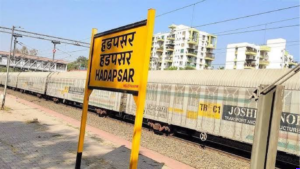
Hapus Mango Prices Soar to ₹600 per Kg in Kolhapur-Sangli Markets
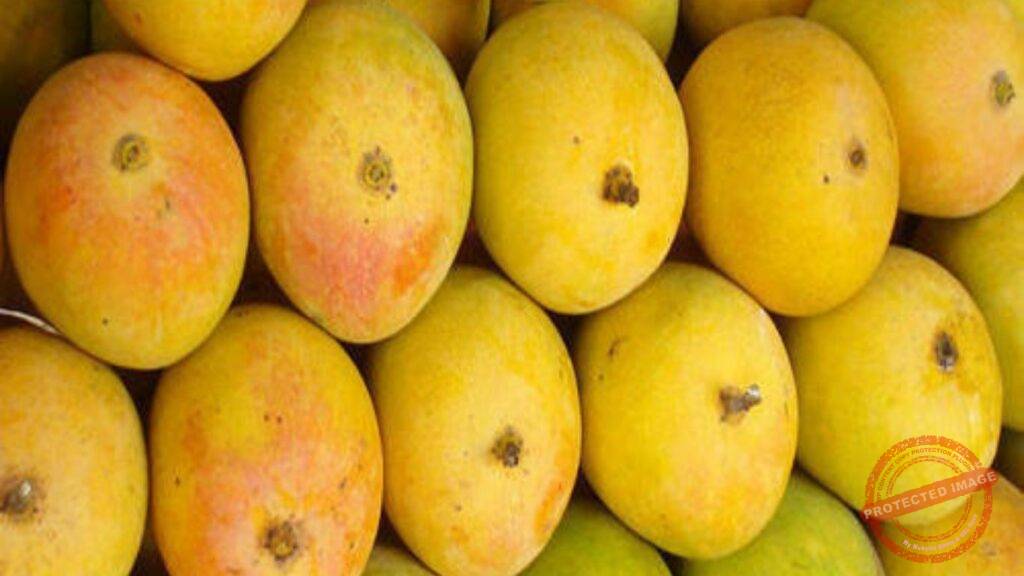
Hapus
With demand outstripping supply, the price of Hapus mangoes in the Kolhapur-Sangli region has jumped to around ₹600 per kg, impacting fruit buyers and local sellers alike
Kolhapur|February 24,2026: In an unusual twist to the summer fruit season, Hapus mangoes one of India’s most sought‑after mango varieties are commanding prices as high as ₹600 per kilogram in local markets across the Kolhapur–Sangli region. Traders and consumers alike have expressed surprise at the steep increase, which is being attributed to a combination of lower availability, high demand, and weather impacts on orchards in key producing districts of western Maharashtra.
Retailers in Sangli and Kolhapur report that the premium pricing is being driven by limited harvest volumes this year. Growers in nearby talukas such as Shirala, Kavathe Mahankal and Miraj have faced uneven rainfall patterns during the flowering and fruit‑setting season, which has affected overall yields. This has resulted in reduced stock arriving at wholesale yards, pushing up prices at retail outlets and roadside fruit stalls. Many fruit buyers now find themselves weighing demand against affordability as the mango season progresses.
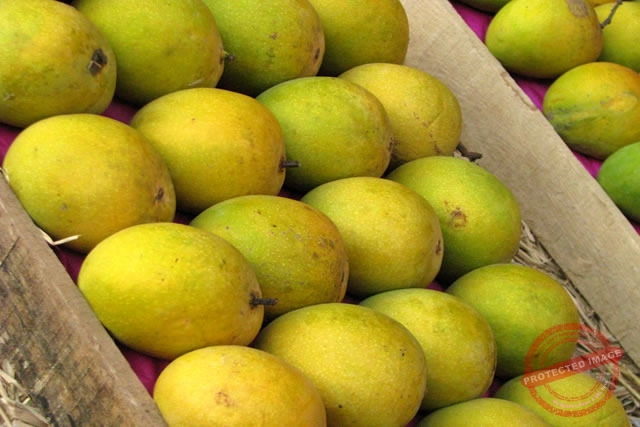
Local fruit sellers note that unlike previous seasons when Hapus mangoes were widely available for ₹300–₹400 per kg at peak, current price levels of ₹600 per kg reflect both scarcity and premium quality lots fetching a higher market value. Some sellers have attributed the rise to increased transportation costs and post‑harvest handling challenges, alongside strong demand from urban buyers in Pune and other nearby cities, where consumers are willing to pay top rupees for early‑season Hapus.
Shoppers visiting markets in Kolhapur expressed mixed reactions. While Hapus mango lovers welcomed the fruit’s early arrival, many complained about the steep cost and said they were buying smaller quantities or choosing alternative varieties such as Kesar or local Alphonso blends. Fruit vendors indicated that prices may remain high until a larger volume of mangoes arrives as harvesting peaks in the next few weeks.
Agricultural analysts point out that even small shifts in production levels can significantly influence prices for high‑demand fruits like Hapus mangoes, especially early in the season. Weather conditions, pest pressure, and logistical bottlenecks all play a part in shaping market dynamics. Some orchardists in Sangli and Kolhapur have confirmed that unpredictable pre‑monsoon showers disrupted flowering patterns, leading to concerns about total output for the season.
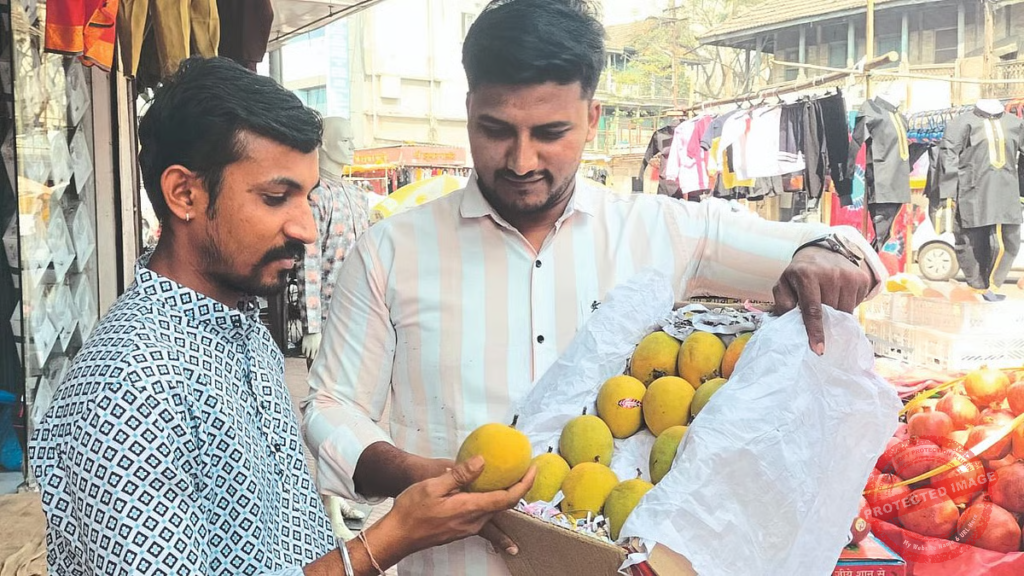
The price surge arrives at a time when households are traditionally stocking up on mangoes for festivals, desserts, and seasonal recipes. Street sellers and small grocery shops have reported brisk business during afternoon and weekend hours, although many customers are comparing price tags before making purchases. Some retailers have also started offering smaller pack sizes for example, 250‑gram or 500‑gram packets to make premium mangoes more accessible for buyers conscious of budget constraints.
Farmers’ cooperatives and horticulture experts have urged buyers to exercise patience, noting that prices generally ease as the season progresses and larger arrivals enter market channels. They also stressed the importance of proper harvesting techniques and cold chain logistics to reduce waste and keep quality consistent.
The early season price surge of Hapus mangoes to around ₹600 per kg in Kolhapur–Sangli markets reflects a classic case of supply meeting high demand under constrained output conditions. While consumers feel the pinch at the checkout counter, analysts expect price moderation as harvesting intensifies and supply tightens out later in the season.
Follow us On Our Social media Handles :
Instagram
Youtube
Facebook
Twitter
Also Read- Pune