Pune Metro Expansion: Shivajinagar–Yewalewadi Line Expected to Become Operational by 2030–31
Pune
Pune Metro’s Shivajinagar to Yewalewadi line is projected to be operational by 2030–31, promising better connectivity and easing traffic congestion in fast‑growing areas.
Pune |02 March 2026: The Pune Metropolitan Region Development Authority (PMRDA) has projected that the extension of the Pune Metro from Shivajinagar to Yewalewadi is expected to become operational by 2030–31, marking a crucial step in the city’s transport infrastructure expansion. The project is part of the broader urban mobility plan designed to ease traffic congestion, improve connectivity, and accommodate rapid population growth in the Pune metropolitan region.
The Shivajinagar–Yewalewadi line, once completed, will stretch through several key residential and commercial zones, connecting central Pune with developing localities in the northwestern corridor of the city. The expansion is being planned to meet rising commuter demand as urban sprawl continues to accelerate, particularly in areas where road traffic and congestion have become major challenges for daily travelers.
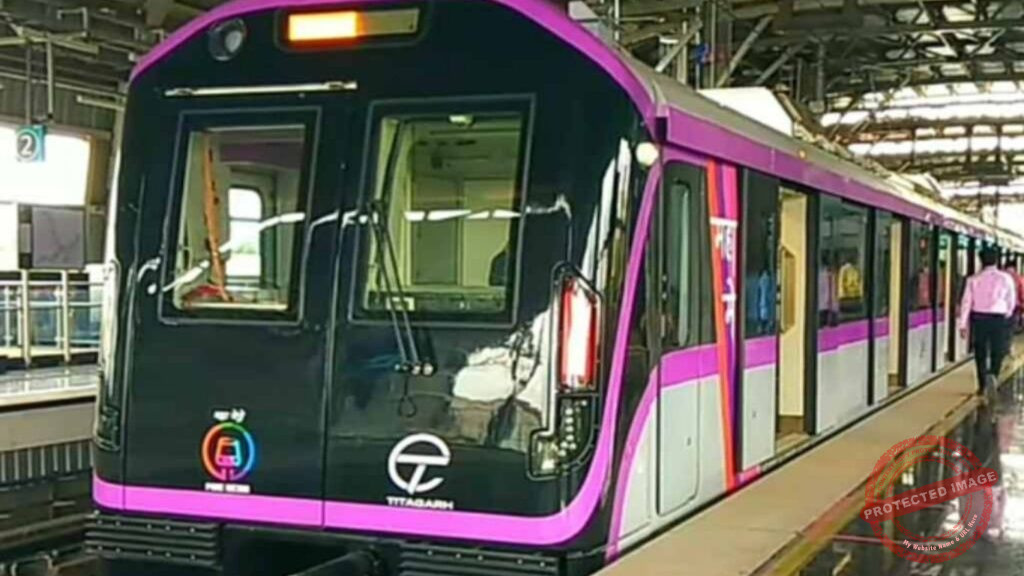
Authorities have noted that while the initial phases of the Pune Metro — including the Purple Line (PCMC to Civil Court) and Aqua Line (Vanaz to Ramwadi) — have already improved intra‑city connectivity, extending the network to Yewalewadi will significantly enhance access to rapidly growing neighbourhoods such as Pashan, Baner, and Chandni Chowk. These areas have seen a surge in residential and commercial development in recent years but still lack adequate high‑capacity public transport links.
According to PMRDA officials, the estimated timeline of 2030–31 accounts for multiple phases of land acquisition, detailed planning, utility shifting, construction of elevated and underground sections, and rigorous safety testing. The authorities have emphasised that the projected completion date is tentative and could change depending on ground realities such as alignment challenges, funding allocations, and coordination with civic agencies. However, the long‑term vision remains to provide a seamless metro corridor that integrates with existing and planned transport hubs across the city.
Funding for the metro’s expansion is expected to be secured through a combination of central and state government contributions, along with institutional financing from multilateral lenders. Urban planners argue that such infrastructure investments are essential to support Pune’s economic growth, given the city’s role as a major IT, educational, and manufacturing centre in western India. They note that cities with robust public transport systems often experience reduced traffic congestion, lower pollution levels, and improved quality of life for commuters.
Local commuter groups have welcomed the announcement, acknowledging that enhanced mass rapid transit access could alleviate pressure on roads such as Baner Road, NH‑48, and Sinhagad Road, which regularly experience heavy traffic during peak hours. “Many of us spend significant time stuck in traffic every day. A metro extension to Yewalewadi would be a game changer for connectivity,” said one resident who regularly travels between Shivajinagar and Pashan for work.
However, urban development experts have cautioned that achieving the 2030–31 target will require strict adherence to project schedules, efficient coordination with multiple government agencies, and early mitigation of land acquisition hurdles. Delays in similar metro projects in other cities have often stemmed from environmental clearances, shifting utility networks, and cost escalations, all of which the PMRDA acknowledges and says it is planning to address proactively.
The proposed line will also enhance last‑mile connectivity when integrated with bus services, auto‑rickshaw hubs, and future transport corridors — including potential extensions toward Pune Airport and other suburban growth centres. This integrated approach is seen as key to ensuring that the metro serves not just central Pune commuters but also residents of outlying localities who currently depend on private vehicles or road‑based public transport.
In addition to commuter convenience, the metro extension is likely to boost local economies along the corridor by increasing accessibility to commercial zones, educational institutions, and recreational spaces. Real estate practitioners believe that improved metro connectivity tends to increase property values and attract new investments, offering long‑term economic benefits to the region.
Follow us On Our Social media Handles :
Instagram
Youtube
Facebook
Twitter
Also Read- Pune