Technology Revolutionising Healthcare with AI, Telemedicine and Digital Health Innovations
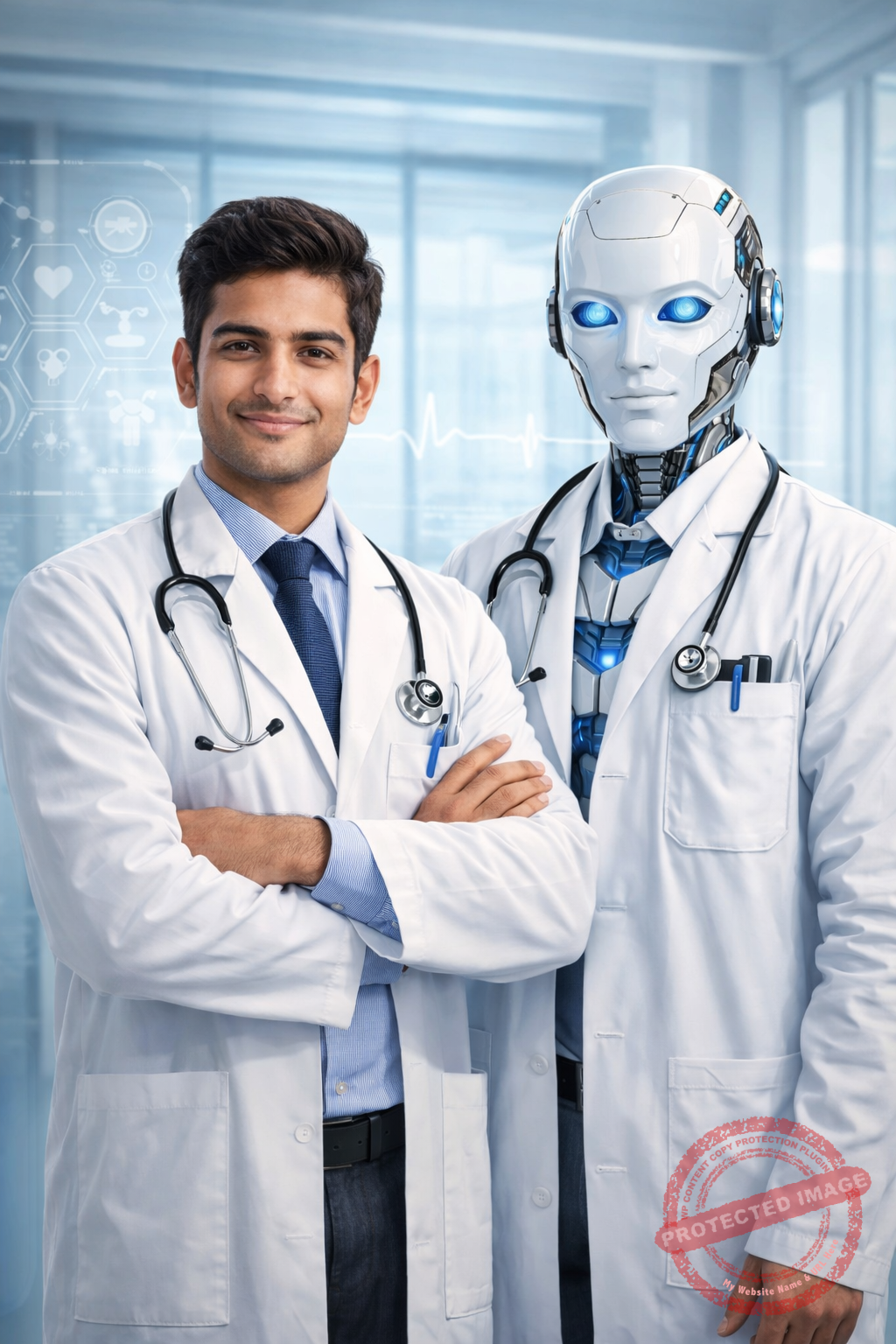
Advancements in artificial intelligence, telemedicine and wearable technologies are reshaping healthcare delivery, enabling faster diagnosis, improved patient monitoring and more accessible medical services across hospitals and healthcare systems globally.
March 09, 2026 | New Delhi : Rapid technological progress is significantly transforming the healthcare industry, changing the way medical professionals diagnose diseases, treat patients and manage health records. Emerging digital tools are helping healthcare providers deliver more efficient, accurate and patient-focused medical services.
Artificial intelligence is playing a major role in modern healthcare. AI-powered systems are capable of analysing large volumes of medical data such as scans, laboratory reports and patient histories. These systems assist doctors in identifying health conditions at earlier stages and improving the accuracy of diagnosis. AI technologies are increasingly being used in specialised fields like radiology, cardiology and pathology to detect abnormalities and support clinical decision-making.
Telemedicine has also gained widespread importance in recent years. Digital consultation platforms allow patients to interact with doctors through video calls and online systems without needing to visit hospitals physically. This technology has proven especially valuable for patients living in remote areas and for individuals requiring regular medical consultations or follow-up care.
Another key innovation driving change in healthcare is the growing use of wearable health devices and mobile health applications. Devices such as smart watches and fitness trackers can monitor vital indicators including heart rate, oxygen levels and physical activity. The collected data helps doctors track patient health more closely and detect potential medical issues at an early stage.
Hospitals are also increasingly adopting digital health systems and electronic medical records to improve efficiency and coordination between healthcare professionals. These technologies allow quicker access to patient information and support better treatment planning.While these advancements offer major benefits, experts point out challenges including data privacy concerns, digital accessibility gaps and the need for strong regulatory oversight.Nevertheless, technology continues to redefine modern healthcare, promising improved medical outcomes and better access to healthcare services for patients worldwide
Follow us On Our Social media Handles :
Instagram
Youtube
Facebook
Twitter
Also Read- Pune