Middle East War Disrupts Indian Exports, Nearly 45,000 Containers Stranded Across Sea Routes
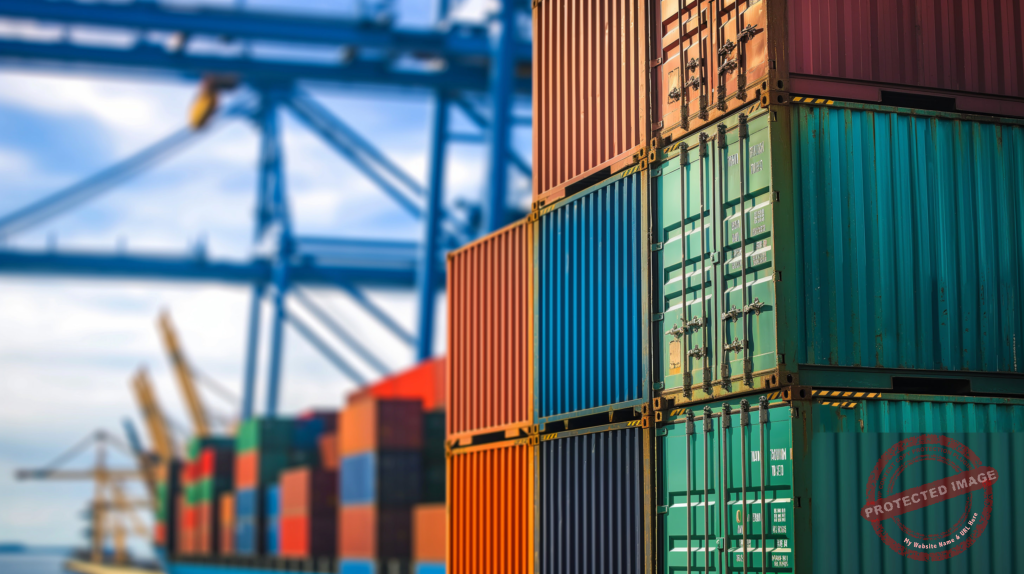
Shipment Containers
Escalating conflict in the Middle East has severely disrupted India’s export supply chain, leaving nearly 40,000–45,000 containers stranded at ports or transit routes with goods worth up to $1.5 billion uncertain.
Mumbai | March 11, 2026: The ongoing conflict in the Middle East has pushed India’s export sector into a difficult situation, with tens of thousands of containers carrying Indian goods stranded at various ports and sea routes. According to sources in the shipping sector, nearly 40,000 to 45,000 containers are currently stuck either at different ports or halted during transit, creating uncertainty over shipments valued between $1 billion and $1.5 billion.
The disruption has significantly impacted exporters who depend on maritime trade routes to deliver goods to international markets. Many containers loaded with export products have been unable to move forward due to safety concerns, shipping delays and disruptions caused by the conflict in the region. As a result, exporters are facing rising costs and uncertainty regarding delivery schedules. Officials associated with the central shipping ministry indicated that around 20,000 ships carrying Indian cargo are currently waiting at different ports before heading toward foreign destinations. These vessels remain stalled as shipping companies closely monitor the evolving geopolitical situation and assess the risks associated with navigating through sensitive maritime corridors.
Among the stranded cargo, containers carrying basmati rice form a significant portion, with nearly four lakh tonnes of the commodity reportedly caught in the disruption. Exporters fear that prolonged delays could not only lead to financial losses but may also damage India’s credibility as a reliable supplier in global markets. Under normal circumstances, exporters pay container handling and shipping charges ranging from 800 to 1,500 dollars per container. However, the current war situation has significantly increased operational costs, including higher insurance premiums and rerouting expenses.
Industry stakeholders say exporters currently have only two options — either wait for the situation to stabilise or reroute shipments through longer and significantly more expensive maritime routes. Both options are expected to increase financial pressure on the export industry
Follow us On Our Social media Handles :
Instagram
Youtube
Facebook
Twitter
Also Read- Pune