Supreme Court Directs Centre to Frame No-Fault Compensation Policy for Serious COVID-19 Vaccine Adverse Events
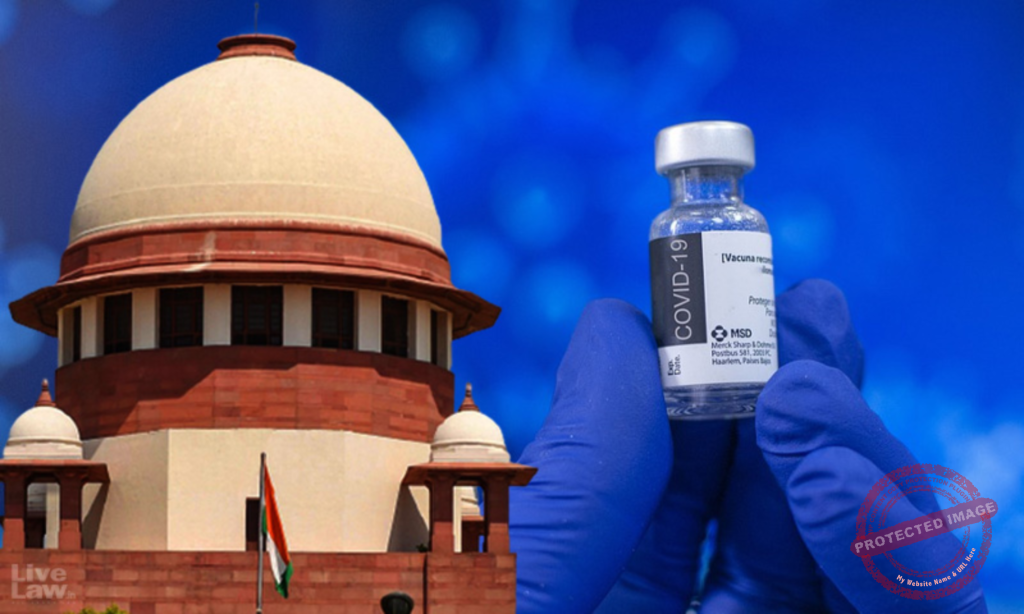
COVID-19.
India’s Supreme Court has directed the Union government to create a no-fault compensation policy for people who suffer serious adverse effects after COVID-19 vaccination, ensuring support without requiring proof of negligence.
New Delhi | 11 March, 2026:In a significant development concerning public health policy and citizens’ rights, the Supreme Court of India has directed the Union government to formulate a “no-fault compensation” framework for individuals who experience serious adverse events following COVID-19 vaccination. The directive aims to establish a structured mechanism that would allow affected individuals or their families to receive compensation without having to prove fault or negligence on the part of the authorities.
The order was issued by a bench comprising Justices Vikram Nath and Sandeep Mehta while hearing a batch of petitions seeking compensation for deaths and serious health complications allegedly linked to COVID-19 vaccines. Petitioners had argued that families who lost relatives or individuals who suffered severe medical complications after vaccination lacked a uniform legal remedy to seek compensation.
During the proceedings, the Court observed that the State’s responsibility in a nationwide vaccination programme cannot end merely with monitoring vaccine safety. It emphasised that when individuals claim to have suffered serious health consequences while participating in a government-led public health initiative, the State must provide a fair mechanism for relief and support.
Under a no-fault compensation framework, claimants do not need to establish liability or prove negligence to receive compensation. Instead, the policy focuses on providing timely financial assistance to individuals who experience rare but serious medical complications following immunisation. Such mechanisms are commonly used in several countries to address vaccine-related injuries while maintaining public confidence in immunisation programmes.

At the same time, the Supreme Court clarified that the formulation of such a policy should not be interpreted as an admission of fault or liability by the Union government or any other authority involved in the vaccination programme. The bench stressed that the initiative is intended to provide an additional support mechanism for affected individuals rather than to question the safety or effectiveness of the vaccines.
The Court also directed that the existing monitoring system for Adverse Events Following Immunisation (AEFI) should continue to function. Authorities were instructed to ensure that relevant data related to vaccine adverse events is regularly placed in the public domain to maintain transparency and public trust.
The case before the apex court involved petitions filed by families who claimed their relatives died after receiving COVID-19 vaccines. Among them were parents of two young women who alleged that their daughters died following vaccination and sought compensation as well as an independent medical inquiry. While the Court declined to constitute a separate court-appointed expert committee, it noted that existing scientific mechanisms already assess vaccine-related adverse events.
The judges further clarified that their ruling does not question the scientific approval process or the overall vaccination programme implemented during the pandemic. The national vaccination drive, the Court noted, was undertaken in extraordinary circumstances to protect public health and limit the spread of COVID-19.

Legal experts say the judgment could have important implications for public health policy in India. By directing the government to develop a compensation framework, the Supreme Court has sought to balance the success of the country’s large-scale vaccination campaign with the need to address grievances of those who claim to have suffered rare but severe complications.
The Union government is now expected to work with the Ministry of Health and Family Welfare and relevant authorities to design the compensation policy and outline eligibility criteria, claim procedures and oversight mechanisms.
Once implemented, the framework could provide a standardized approach for addressing vaccine-related injury claims, potentially strengthening accountability while maintaining public confidence in national immunisation programmes.
Follow us On Our Social media Handles :
Instagram
Youtube
Facebook
Twitter
Also Read- Pune