Rising Heart Disease Risk Among Children; 381 Surgeries Performed in Just 50 Days Under Health Programme

Children
Health authorities have reported a worrying rise in heart-related ailments among children, with 381 cardiac surgeries conducted within 50 days under the national child health screening initiative.
Pune | 11 March, 2026: A concerning trend of heart-related ailments among children has come to light after health officials revealed that 381 pediatric heart surgeries were carried out within a span of just 50 days under the government’s child health screening programme. The data, emerging from the implementation of the national child healthcare initiative, highlights the growing need for early detection and timely medical intervention in cases of congenital heart disease among infants and young children.
The surgeries were conducted as part of the nationwide child health screening and treatment initiative designed to identify medical conditions among children at an early stage. Through systematic medical screening in schools, anganwadi centres, and community health camps, doctors and healthcare workers have been able to detect serious congenital and developmental disorders that might otherwise remain unnoticed for years.
Health officials noted that congenital heart disease continues to be one of the most common birth-related medical conditions affecting children in India. Many of these conditions require surgical treatment in the early years of life to prevent complications or long-term health risks. The recent figures underscore the importance of continuous screening and follow-up treatment to ensure that affected children receive proper medical care.
Under the programme, medical teams conduct regular health screenings for children from birth up to 18 years of age. When serious conditions such as heart defects are detected, affected children are referred to specialized hospitals where surgeries and advanced treatments are performed free of cost or with government financial assistance. This mechanism has significantly improved access to specialized healthcare for children from economically weaker sections.
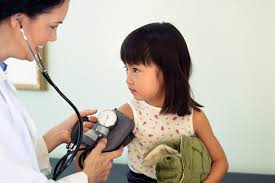
Doctors involved in the programme explained that early diagnosis plays a crucial role in managing pediatric heart conditions. Many heart defects may not show clear symptoms during infancy, making systematic screening essential. If detected in time, corrective surgeries can allow children to lead healthy and active lives. However, delayed diagnosis often leads to complications, making treatment more difficult and expensive.
Medical experts also emphasized that awareness among parents is critical. Symptoms such as frequent fatigue, difficulty in breathing, bluish skin coloration, poor growth, or repeated chest infections may sometimes indicate underlying heart problems in children. Early consultation with healthcare professionals can help identify potential issues and initiate timely treatment.
The government’s child health programme focuses on identifying a wide range of medical conditions, including birth defects, diseases, developmental delays, and disabilities among children. By conducting large-scale screenings, authorities aim to detect these conditions early and provide appropriate medical support.

Officials stated that the high number of surgeries performed in a short period demonstrates both the scale of the health challenge and the effectiveness of the screening programme. It also reflects improved coordination between primary healthcare workers, district hospitals, and specialized cardiac care centres involved in treating pediatric patients.
Public health experts believe that strengthening such screening initiatives is essential for improving child health outcomes across the country. Expanding awareness campaigns, improving access to specialized pediatric cardiac care, and ensuring continued funding for treatment programmes will play a key role in addressing the growing burden of congenital heart diseases among children.
As health authorities continue to monitor the situation, the recent figures have prompted calls for increased vigilance and stronger healthcare infrastructure to ensure that every child diagnosed with a serious condition receives timely treatment. Early intervention, experts stress, remains the most effective way to reduce long-term health risks and improve survival rates among children with heart disease.
Follow us On Our Social media Handles :
Instagram
Youtube
Facebook
Twitter
Also Read- Pune