Global Fuel Shortage Sparks Worldwide Alarm; Countries Push Emergency Measures and Work-From-Home Options
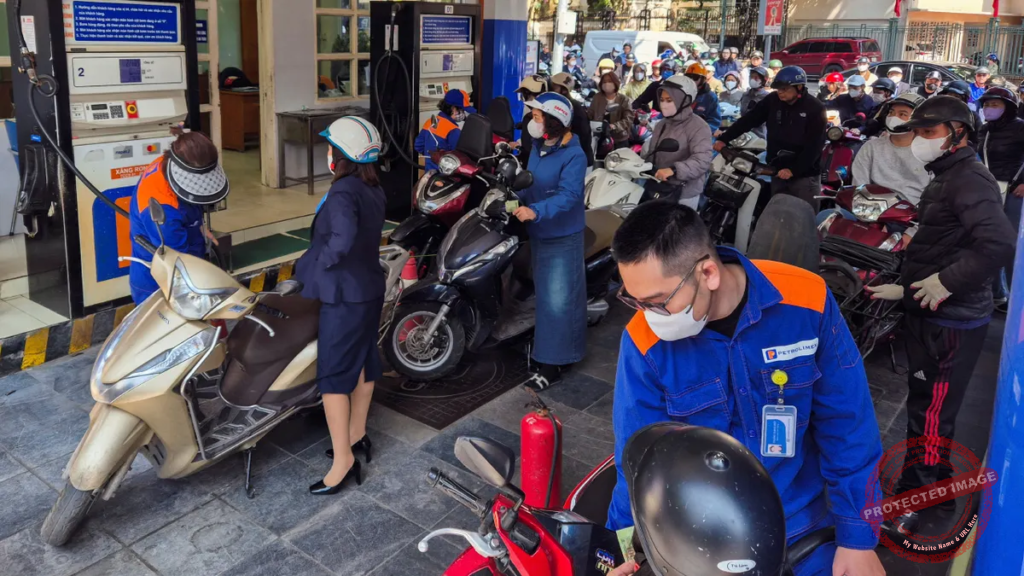
fuel
A growing global fuel shortage has triggered emergency responses across several countries, with governments and companies encouraging work-from-home arrangements to conserve energy and manage supply disruptions.
Islamabad | 11 March, 2026:a deepening global fuel shortage has begun to impact several countries, forcing governments and industries to adopt urgent measures aimed at reducing consumption and stabilizing supply chains. The situation has prompted authorities in multiple regions to encourage remote working arrangements, reduce energy use, and introduce policy interventions to prevent further disruption to daily life and economic activity.
The crisis is largely linked to disruptions in international energy supply networks, rising geopolitical tensions, and increasing demand for fuel across industrial and developing economies. As global oil and gas markets react to the imbalance between supply and demand, prices have surged, placing additional pressure on governments and consumers alike.
Several countries have begun implementing short-term strategies to reduce fuel consumption. Among the most widely adopted measures is the promotion of work-from-home arrangements for both public and private sector employees. By limiting daily commuting and reducing transportation demand, authorities hope to conserve fuel supplies while also easing pressure on urban traffic systems.
Energy experts note that the adoption of remote work, which became widespread during the COVID-19 pandemic, has once again emerged as a practical solution in times of crisis. Governments are encouraging companies to temporarily shift to flexible work models wherever possible, particularly in sectors where physical presence is not mandatory.
In Pakistan, authorities have started considering multiple steps to manage the impact of the fuel shortage on the national economy. The government has been reviewing options such as energy conservation campaigns, restrictions on non-essential fuel consumption, and possible adjustments in working hours to reduce overall energy demand.
Officials say that rising fuel import costs have placed considerable strain on national budgets, particularly in countries that rely heavily on imported energy resources. The shortage has also affected transportation sectors, industrial operations, and power generation in some regions.
Beyond Pakistan, similar developments are being reported in several parts of Asia, Europe, and the Middle East. Governments in these regions are exploring contingency plans including increased use of alternative energy sources, strategic fuel reserves, and policies aimed at stabilizing domestic markets.
Economists warn that prolonged fuel shortages could have wider consequences for the global economy. Higher fuel prices tend to raise transportation costs, increase inflation, and disrupt supply chains that depend heavily on energy-intensive logistics networks. Industries such as aviation, shipping, manufacturing, and agriculture may face additional challenges if supply constraints persist.
At the same time, analysts believe the crisis could accelerate the global transition toward renewable energy sources. The instability of fossil fuel markets has renewed interest in investing in solar, wind, and other sustainable energy technologies as countries seek long-term energy security.
Public response to the crisis has been mixed. While many companies have embraced remote working as a practical solution, sectors that rely on physical operations continue to face operational challenges. Logistics providers, manufacturing units, and energy-intensive industries must still operate on-site, making them more vulnerable to fuel price fluctuations.
Governments are expected to continue monitoring the situation closely while coordinating with international partners to stabilize energy markets. In the meantime, conservation measures such as reduced travel, efficient energy use, and flexible work arrangements are likely to remain key tools in managing the effects of the ongoing fuel shortage.
As global leaders search for sustainable solutions, the present crisis serves as a reminder of the vulnerability of energy supply systems and the importance of diversifying energy sources to ensure long-term stability.
Follow us On Our Social media Handles :
Instagram
Youtube
Facebook
Twitter
Also Read- Pune