Industrial Metal Prices Remain Stable in Domestic Market Amid Global Uncertainty
Industrial
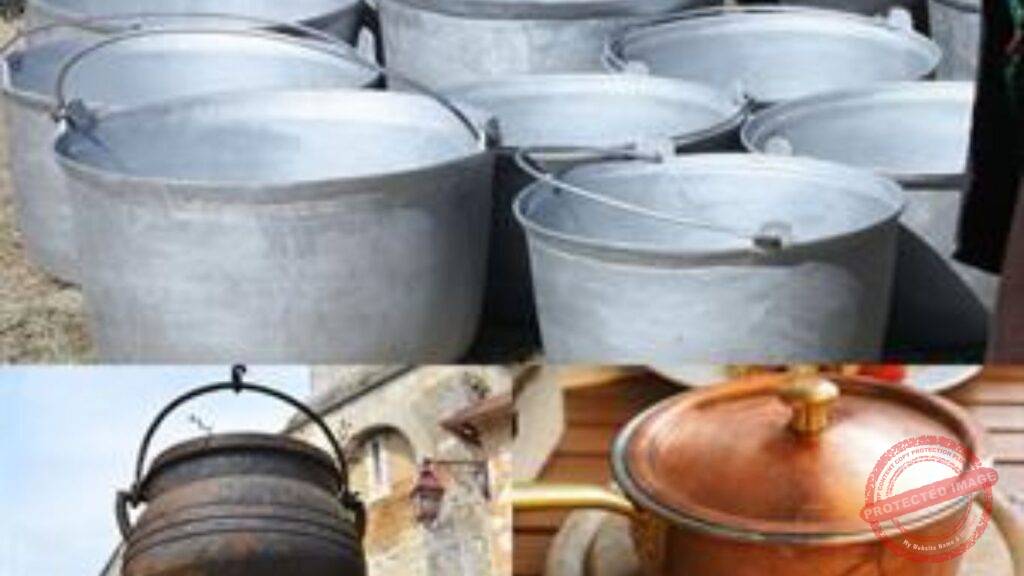
Industrial metal prices in India have remained largely stable despite global geopolitical tensions and currency fluctuations, as subdued demand from construction and manufacturing sectors limits market activity
Mumbai | March 13, 2026: Prices of key industrial metals such as copper, brass and iron in the domestic market have remained largely stable in recent weeks, even as international economic and political developments continue to create volatility in global commodity markets.
Market analysts say the strengthening of the United States Dollar has played a major role in shaping global commodity trends. Since most international trade is conducted in dollars, a stronger dollar increases the cost of purchasing commodities for countries using other currencies, often leading to reduced demand for industrial metals.As a result, metals widely used in manufacturing and infrastructure such as copper, aluminum, brass and iron have come under downward pressure globally. However, domestic prices have largely remained stable due to moderate demand and limited trading activity.
Traders said international geopolitical tensions, particularly involving the United States, Israel and Iran, have also created uncertainty in global markets. Concerns persist that further escalation could disrupt trade routes, supply chains and industrial production, which in turn may influence global metal demand.
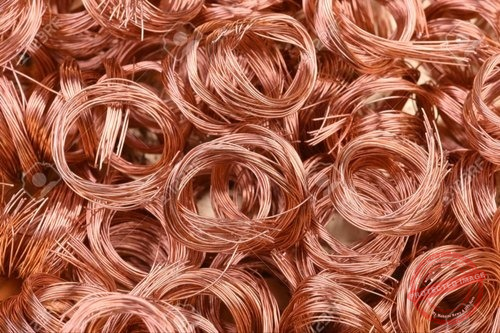
In the domestic retail market, pure copper currently trades between ₹1,800 and ₹2,000 per kilogram, while scrap copper is priced around ₹900 to ₹950 per kilogram. Brass prices have also remained steady, with pure brass selling between ₹1,150 and ₹1,300 per kilogram and scrap brass at around ₹600 per kilogram.
Iron prices have similarly remained stable, with rates hovering between ₹5,700 and ₹5,800 per quintal, while scrap iron is trading at roughly ₹3,000 to ₹3,200 per quintal. Traders attribute the subdued demand mainly to a slowdown in construction activity and limited purchasing from industrial sectors.
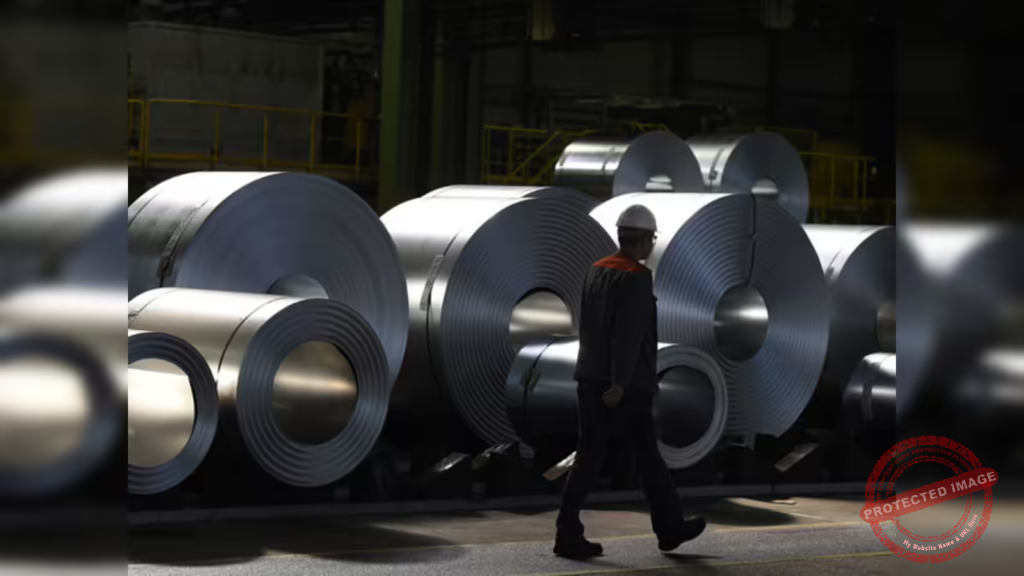
Experts also point out that developments in China remain crucial for the global copper market, as the country is the world’s largest consumer of the metal. Any major investments in infrastructure, green energy or electric vehicles in China could significantly influence future copper demand and prices.
For now, traders and investors are adopting a cautious approach as they await greater clarity on global economic conditions and geopolitical developments.
Follow us On Our Social media Handles :
Instagram
Youtube
Facebook
Twitter
Also Read- Pune