Pune Metro Network Set to Expand to 200 km as City Rapidly Grows, Says Devendra Fadnavis
Pune Metro
CM Devendra Fadnavis announces plan to expand Pune Metro network to 200 km across Pune, PCMC and PMRDA regions to ease traffic congestion.
Pune |16 March, 2026: As Pune continues to witness rapid urban expansion and population growth, the state government has announced an ambitious plan to significantly expand the city’s metro rail network. Devendra Fadnavis, Chief Minister of Maharashtra, said that the Pune Metro network will be expanded to nearly 200 kilometres in the coming years to meet the mobility demands of the growing metropolitan region. The announcement reflects the government’s long-term vision to transform public transport in Pune and surrounding urban areas.
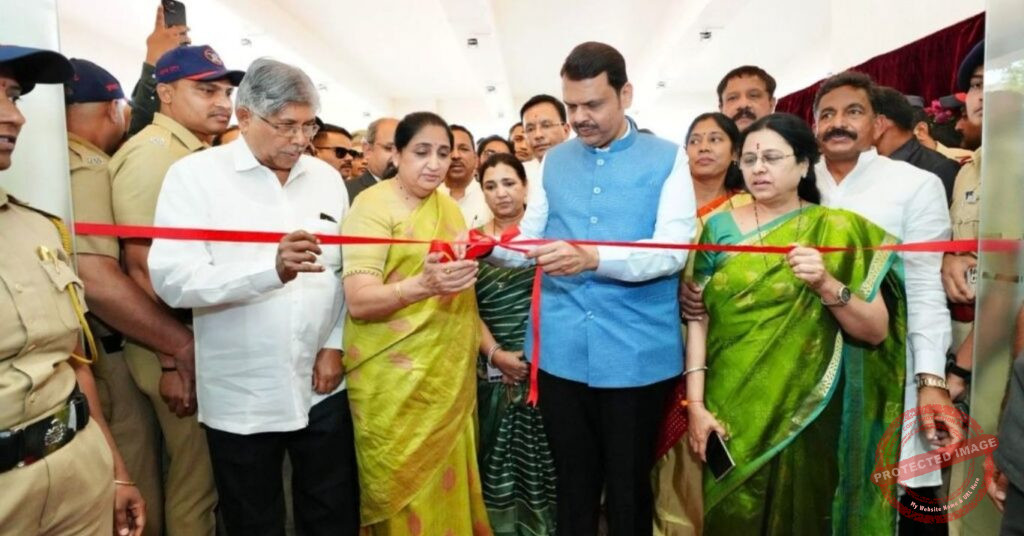
The announcement was made during the inauguration of Metro Bhavan, the new administrative headquarters of Maharashtra Metro Rail Corporation Limited, located near the District Court metro station. During the event, the Chief Minister stated that authorities have been directed to prepare a comprehensive expansion roadmap that will extend metro connectivity not only across Pune city but also to nearby regions governed by Pune Metropolitan Region Development Authority and Pimpri‑Chinchwad Municipal Corporation.
Fadnavis emphasized that Pune is among the fastest-growing urban centres in India, with expanding IT hubs, rising vehicle numbers, and increasing pressure on the city’s road infrastructure. He said large-scale public transport systems such as metro rail networks are essential to support sustainable urban mobility and reduce traffic congestion. With thousands of new residents moving into the metropolitan region every year, improving mass transit connectivity has become a major priority for urban planners and policymakers.
Currently, the Pune Metro system is still developing but has already started playing an important role in the city’s transportation network. The metro began operations in 2022 and gradually expanded to connect important parts of the city. One of the operational routes, the Aqua Line (Pune Metro), runs from Vanaz to Ramwadi and passes through several key areas such as Deccan Gymkhana and Mangalwar Peth. The corridor has helped thousands of daily commuters reduce travel time while offering a more reliable and comfortable mode of transport compared to road travel.
Alongside the long-term expansion vision, the government also shared updates about upcoming metro projects that are nearing completion. The much-anticipated Hinjewadi–Shivajinagar Metro corridor, which will connect the city centre with Pune’s major IT hub in Hinjewadi, is expected to begin operations in phases. Authorities indicated that around 11 kilometres of the corridor could become operational in the coming months, while the remaining section may open later once construction work and safety approvals are completed.
The Hinjewadi metro corridor is considered a crucial infrastructure project because it will connect the Rajiv Gandhi Infotech Park, one of India’s largest IT hubs, with central Pune. Thousands of employees travel daily between Hinjewadi and other parts of the city, often facing heavy traffic congestion. Once the metro line becomes fully operational, it is expected to significantly reduce travel time and improve commuting conditions for office-goers.
Urban planners believe that expanding the metro network to about 200 kilometres could transform Pune’s public transport ecosystem. The proposed expansion is expected to cover areas under the Pune Municipal Corporation, Pimpri-Chinchwad, and the wider PMRDA region, enabling smoother travel between suburbs, residential zones, and employment hubs.
Authorities are also focusing on improving last-mile connectivity alongside metro expansion. Plans include feeder bus services, improved road access to metro stations, and the development of integrated transport hubs that will allow passengers to easily switch between metro, buses, and other forms of public transport. These measures aim to encourage more residents to shift from private vehicles to mass transit systems, helping reduce road congestion and air pollution.
With Pune projected to grow significantly in the coming decade, the proposed 200-kilometre metro network is being viewed as a major step toward building a modern and sustainable urban transport system. The expansion could reshape daily commuting patterns, strengthen connectivity across the metropolitan region, and support the city’s transformation into one of India’s leading economic and technology centres.
Follow us On Our Social media Handles :
Instagram
Youtube
Facebook
Twitter
Also Read- Pune