Lok Sabha Seats May Rise to 816; Maharashtra Likely to Get 72 MPs Under Proposed Delimitation Plan
Lok Sabha Seats May Rise to 816; Maharashtra Likely to Get 72 MPs Under Proposed Delimitation Plan
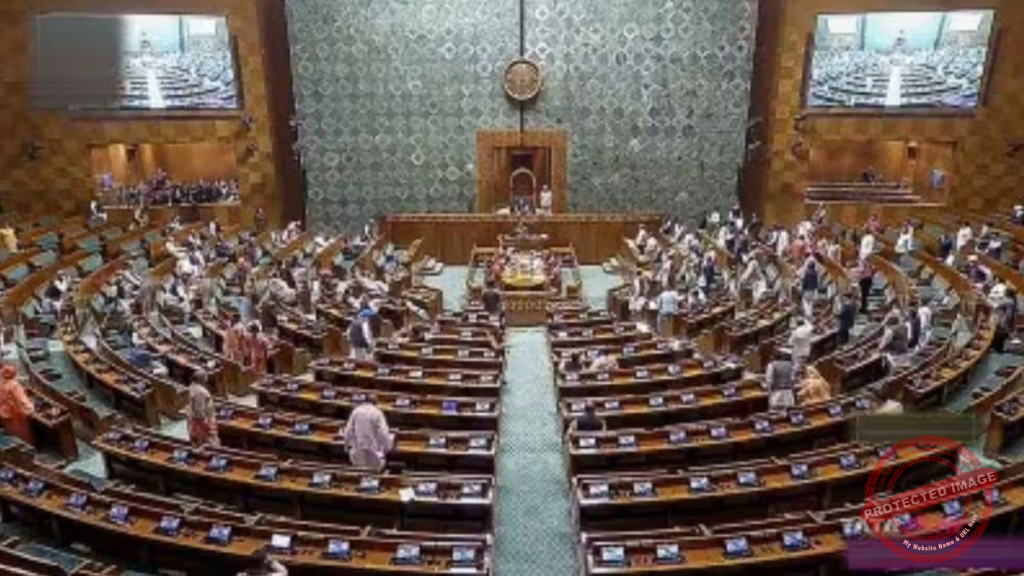
A proposed delimitation exercise could increase Lok Sabha seats to 816, with Maharashtra expected to see a significant rise in representation to 72 Members of Parliament.
New Delhi | March 24, 2026: India’s parliamentary landscape may witness a major transformation as discussions around a proposed delimitation exercise suggest a significant increase in the number of Lok Sabha seats from the current 543 to 816.
According to sources and preliminary proposals, the exercise aims to redraw constituency boundaries and expand representation in line with population growth. Among the key beneficiaries of this proposed restructuring is Maharashtra, which is likely to see its Lok Sabha representation increase from 48 seats to 72.
The proposed changes are part of a broader effort to ensure more equitable representation across states, reflecting demographic shifts over the decades. The last major delimitation exercise was conducted based on the 2001 Census, while the number of seats has remained frozen since 1976 to maintain a balance between population control efforts and representation.
Experts note that states with higher population growth, particularly in northern and western India, are expected to gain additional seats under the new framework. Maharashtra, being one of the most populous and economically significant states, is poised to see a substantial increase in its parliamentary strength.
Political analysts believe that the move could have far-reaching implications on national politics. An increase in seats would not only alter the composition of the Lok Sabha but also impact electoral strategies, party representation and regional influence in policymaking.
The delimitation process, however, is expected to be complex and politically sensitive. It involves redefining constituency boundaries, balancing population ratios and ensuring fair representation without disproportionately affecting any region. Concerns have also been raised by some southern states, which fear losing relative influence due to lower population growth compared to northern states.
Officials indicate that the exercise is likely to be undertaken after the next Census, which will provide updated demographic data. The implementation of the new structure could come into effect in subsequent general elections once the process is completed.
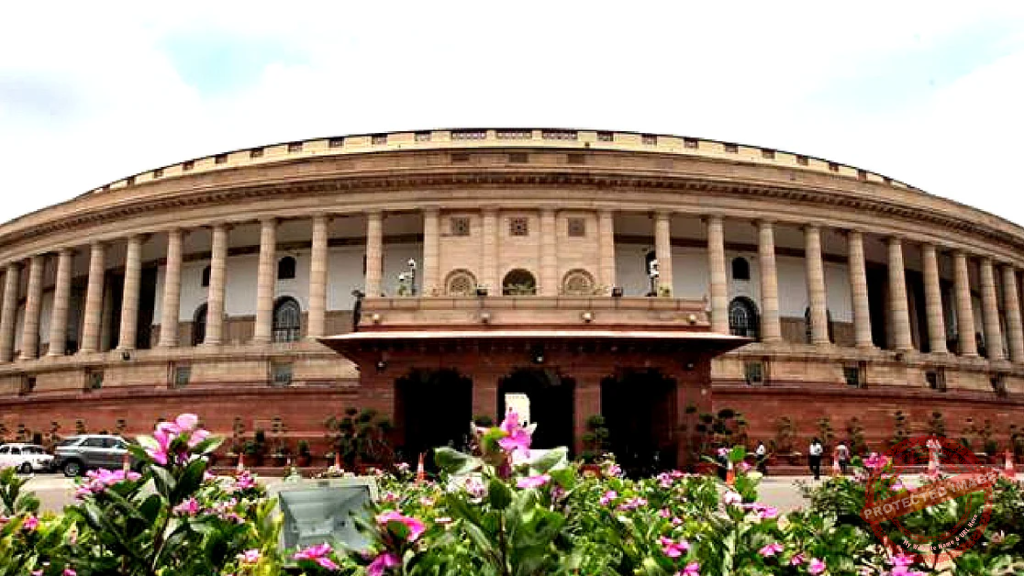
If implemented, the expansion to 816 seats would make India’s lower house one of the largest legislative bodies in the world. It would also necessitate infrastructural changes, including expansion of parliamentary facilities to accommodate the increased number of representatives.
For Maharashtra, the proposed increase to 72 seats could significantly enhance its voice in national decision-making. The state already plays a crucial role in India’s economy and politics, and greater representation could further strengthen its position at the Centre.
While the proposal is still under discussion and no final decision has been announced, it has already sparked widespread debate among political parties, policymakers and experts. The coming months are expected to see more clarity as the government moves forward with consultations and planning.
Follow us On Our Social media Handles :
Instagram
Youtube
Facebook
Twitter
Also Read- Pune