Census 2026 Phase One Begins April 1, Live-In Couples to Be Counted as Married
Census 2026 Phase One Begins April 1
India’s first digital Census begins April 1 with a self-enumeration option, and for the first time, stable live-in relationships will be classified as “married” in official records.
New Delhi/Mumbai | 31 March, 2026: India is set to launch the first phase of its nationwide Census from April 1, marking a significant shift toward digital data collection and modernised enumeration practices. Announcing the rollout, Mritunjay Kumar Narayan said the exercise will, for the first time, include provisions to classify certain live-in relationships as “married.”
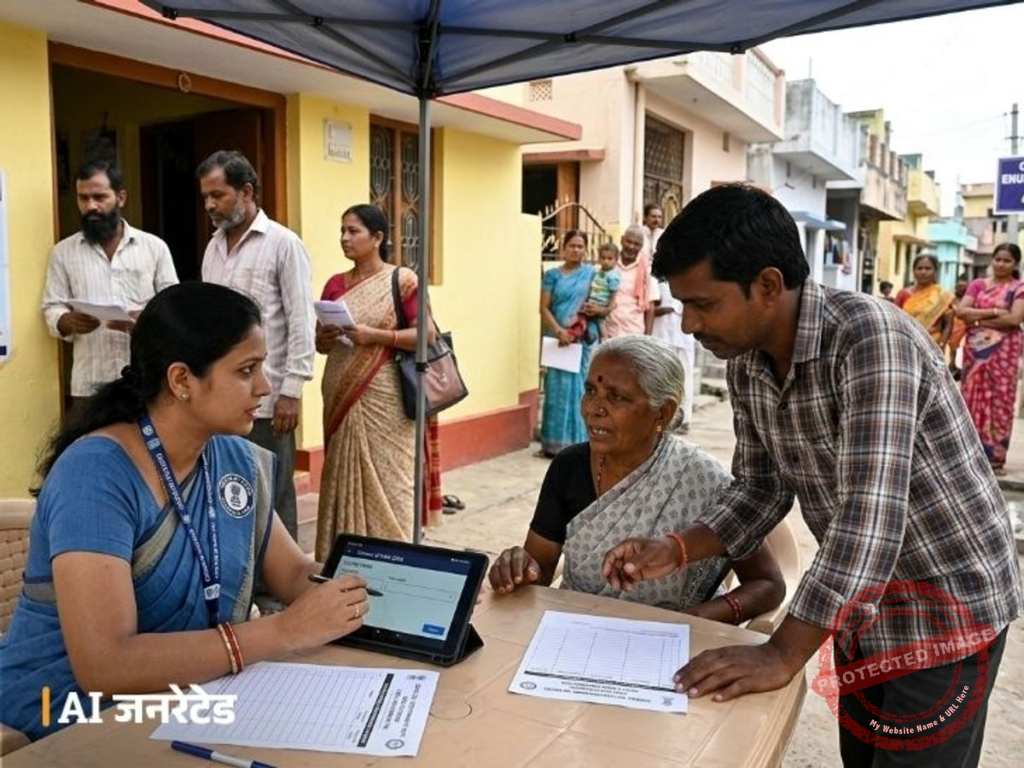
Under the new guidelines, couples living together in a stable relationship and self-identifying as such will be recorded as married during the enumeration process. This change reflects evolving social realities and aims to capture a more accurate picture of household structures in the country.
The Census, conducted under the authority of the Office of the Registrar General and Census Commissioner, will be India’s 16th overall and the 8th since Independence. The first phase will focus on housing and household data, while the second phase-scheduled for February 2027-will gather detailed demographic, socio-economic, and caste-related information.
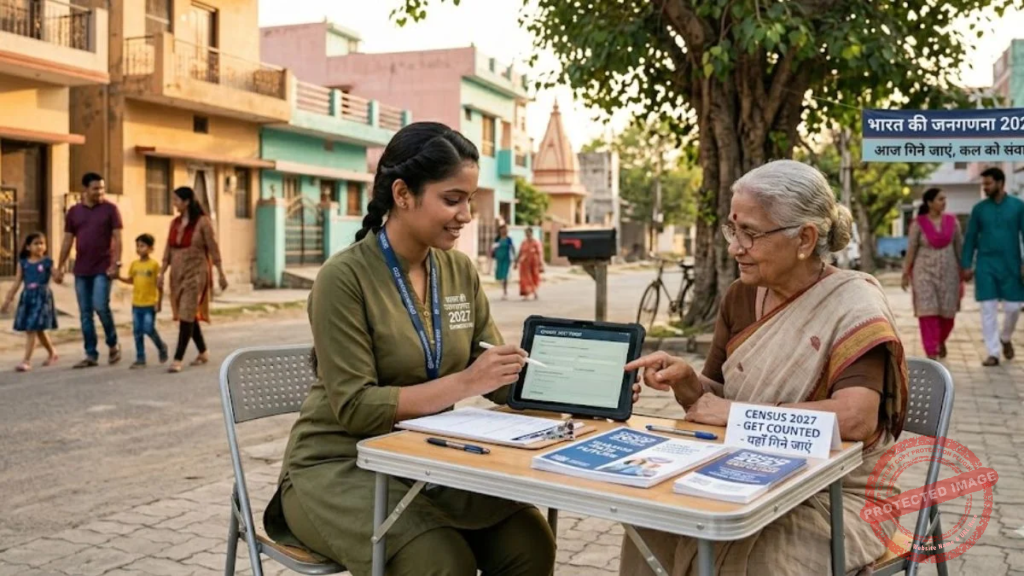
A key highlight of this Census is the introduction of a self-enumeration option. Citizens will be able to submit their details through a dedicated web portal or mobile application, reducing dependence on field enumerators and making the process more accessible. The digital platform will support multiple languages to ensure wider participation.
In Maharashtra, the self-enumeration window will be open from May 1 to May 15, 2026, followed by physical house listing and enumeration from May 16 to June 14. During this phase, data on housing conditions, amenities, and household composition will be collected.
The questionnaire for the first phase will include 33 key questions covering aspects such as type of residence, construction materials used in housing, number of occupants, and details of family members. It will also capture information on food habits, access to basic facilities, and ownership of assets like vehicles.
Officials emphasised that the move toward digital enumeration is aimed at improving data accuracy, reducing paperwork, and speeding up processing. Citizens opting for self-enumeration will receive a unique identification number after submitting their details, which must be shared with enumerators for verification and inclusion in official records.

Experts note that recognising live-in relationships within the “married” category could have broader implications for policy formulation, particularly in areas such as housing, welfare schemes, and social security. However, it may also prompt discussions on definitions of family and marital status in official data.
The second phase of the Census will delve deeper into population characteristics, including education levels, migration patterns, fertility rates, and caste-based data, making it a crucial exercise for future policy planning and resource allocation.
With the integration of technology and updated classification norms, Census 2026 is expected to provide a more comprehensive and contemporary snapshot of India’s population dynamics.
Follow us On Our Social media Handles :
Instagram
Youtube
Facebook
Twitter
Also Read- Pune