War Risks Cast Shadow on India’s Economy Despite Strong Domestic Fundamentals: Morgan Stanley
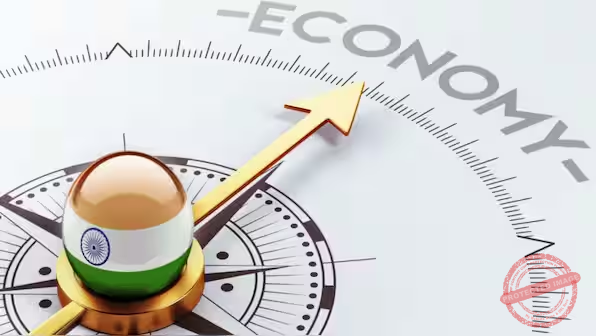
War Risks Cast Shadow on India’s Economy
A report highlights India’s resilient growth driven by domestic demand, but warns that rising geopolitical tensions, oil price volatility, and stagflation risks could challenge economic momentum in the coming months.
New Delhi | 31 March, 2026: India’s economy remains on a relatively strong footing, supported by robust domestic demand and stable macroeconomic indicators, but escalating geopolitical tensions-particularly in the Middle East-pose emerging risks to growth, according to a recent report by Morgan Stanley.
The report notes that key indicators such as automobile sales, GST collections, and bank credit growth continue to reflect resilience in domestic economic activity. Manufacturing output has shown signs of improvement, while services sector growth has moderated slightly. Increased corporate spending on wages is also seen as a positive signal for employment generation.Investment trends remain encouraging, with systematic investment plans (SIPs) witnessing steady inflows and improved capital availability for businesses. Corporate earnings growth also remained stable in the December 2025 quarter, indicating sustained economic momentum.
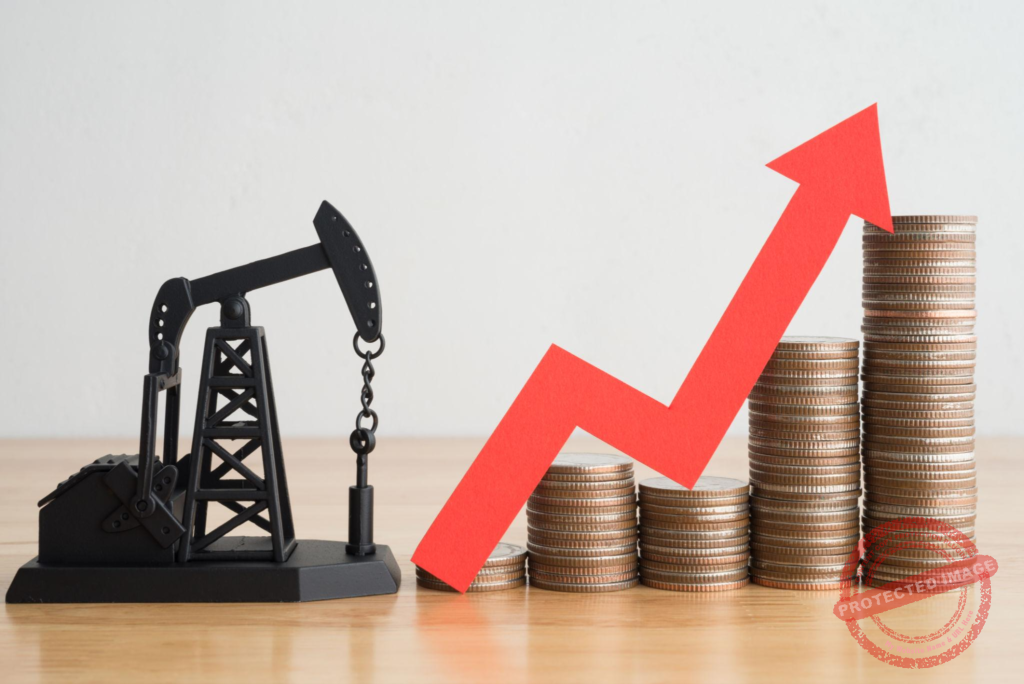
However, the report cautions that India is not immune to external shocks. The ongoing instability in West Asia could disrupt energy markets and trigger volatility in crude oil prices-an important concern for an oil-import-dependent country like India. Around 15% of India’s exports are directed toward this region, while nearly 38% of remittances originate from Indian workers based there, making the economy sensitive to developments in the region.
A key concern highlighted is the potential risk of Stagflation-a situation characterised by slow economic growth, high inflation, and rising unemployment. While the report clarifies that India is currently far from such a scenario, prolonged geopolitical stress and supply disruptions could increase the likelihood of such conditions emerging.
Economists point out that rising crude oil prices could fuel inflationary pressures domestically, impacting transportation costs, industrial production, and consumer spending. This, in turn, may complicate monetary policy decisions for the Reserve Bank of India.
If inflation accelerates, the central bank may be forced to raise interest rates to control price levels, potentially slowing economic growth. Conversely, maintaining lower rates to support growth could risk further inflation—creating a policy dilemma often associated with stagflationary conditions.

Despite these concerns, India’s economic fundamentals provide a degree of resilience. The country’s foreign exchange reserves remain at around $710 billion, while the banking system continues to show stability. Strong domestic consumption is also expected to act as a buffer against global headwinds.
The report concludes that while India’s growth outlook remains positive in the near term, careful policy calibration and monitoring of global developments will be critical to sustaining momentum amid an increasingly uncertain geopolitical environment.
Follow us On Our Social media Handles :
Instagram
Youtube
Facebook
Twitter
Also Read- Pune