Pink Moon 2026 to Illuminate April Sky, Despite Misleading Name
Pink Moon 2026
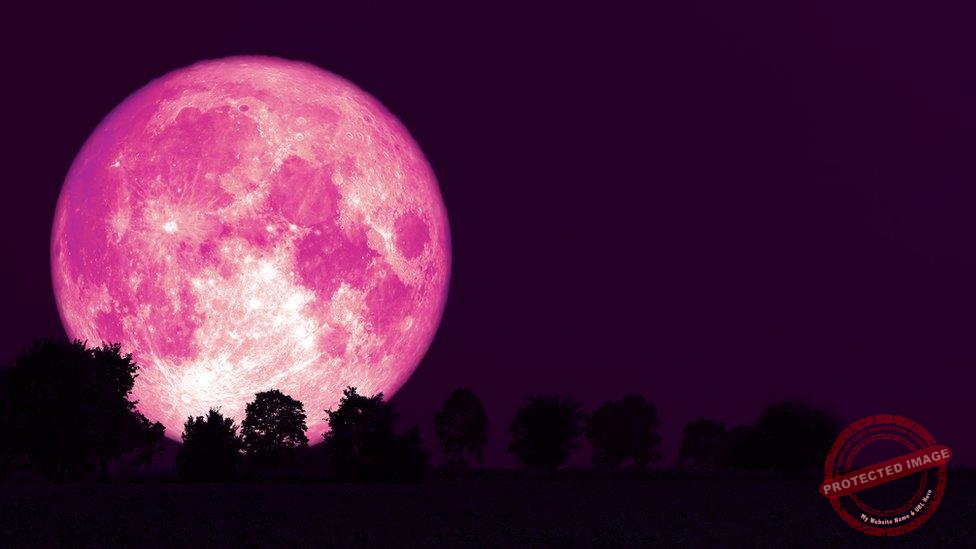
The April full moon, popularly known as the Pink Moon, will be visible on April 12, 2026. Despite its name, the moon will not appear pink but holds seasonal and cultural significance.
Pune | April 1, 2026: Skywatchers across India and around the world are preparing to witness the first full moon of April, traditionally referred to as the Pink Moon, set to occur on April 12, 2026. While the name often sparks curiosity and visual expectations of a rosy-hued celestial body, astronomers clarify that the moon will retain its usual silvery-white appearance.
The term “Pink Moon” originates not from the moon’s color but from seasonal references rooted in Native American traditions. It is associated with the blooming of wild ground phlox, a pink flower that typically blossoms during early spring in North America. Over time, this name has been adopted widely in almanacs and popular astronomy culture.
According to astronomical observations, the full moon will reach its peak illumination during the night of April 12, making it clearly visible to the naked eye, provided weather conditions remain favorable. In India, the moonrise is expected shortly after sunset, offering an optimal viewing window for enthusiasts, photographers, and casual observers alike.

Astronomers emphasize that atmospheric conditions can sometimes create visual illusions, making the moon appear slightly orange or reddish when it is near the horizon. This phenomenon, however, is due to light scattering through the Earth’s atmosphere and is unrelated to the “Pink Moon” naming convention.
The April full moon also holds significance in various cultural and religious calendars. In many parts of the world, it marks seasonal transitions and is linked with agricultural cycles. In some traditions, it is referred to by alternate names such as the Sprouting Grass Moon, Egg Moon, or Fish Moon, each reflecting ecological changes occurring during this time of year.
For astronomy enthusiasts, the Pink Moon presents an opportunity to observe lunar features with clarity. With minimal equipment such as binoculars or a small telescope, viewers can spot craters, maria (dark plains), and other surface details. Experts recommend choosing locations away from city lights for the best experience.
Additionally, the full moon phase often influences tides due to the gravitational interaction between the Earth, moon, and sun. While this has limited visible impact for most observers, coastal regions may experience slightly higher tides, commonly known as spring tides.
Despite recurring misconceptions circulating on social media, scientists reiterate that there is no scientific basis for the moon turning pink during this event. The naming remains symbolic and historical rather than descriptive of physical appearance.
As interest in celestial events continues to grow, such phenomena provide an accessible entry point for public engagement with astronomy. The Pink Moon of 2026 serves as a reminder of how cultural narratives and scientific understanding often intersect in the interpretation of natural events.
With clear skies, the April full moon is expected to offer a serene and visually striking experience, reinforcing its timeless appeal across generations.
Follow us On Our Social media Handles :
Instagram
Youtube
Facebook
Twitter
Also Read- Pune