Pune Property Tax Crackdown Intensifies: PMC Targets 4.62 Lakh Defaulters, ₹18,166 Crore Dues Under Scanner
Pune
Pune Municipal Corporation begins aggressive recovery drive against 4.62 lakh property tax defaulters with ₹18,166 crore pending dues.
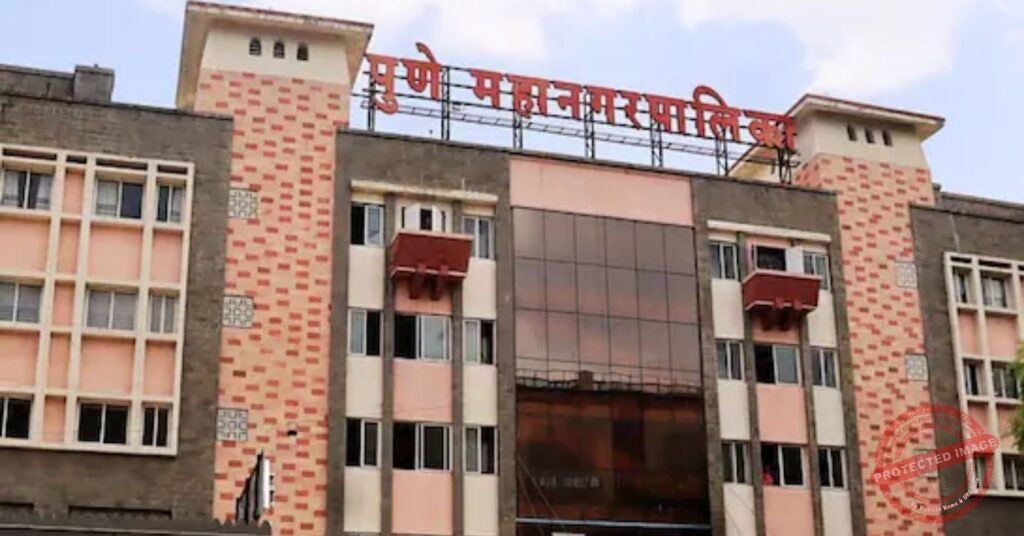
Pune, 30 April, 2026: Pune is witnessing one of its most aggressive civic recovery drives in recent years as the Pune Municipal Corporation (PMC) has launched a large-scale crackdown on property tax defaulters. With a staggering ₹18,166 crore in pending dues, the civic body has identified around 4.62 lakh properties that have failed to clear their tax liabilities, signaling a serious revenue gap that could impact urban development projects.
The action comes at a time when PMC is under increasing financial pressure to fund infrastructure upgrades, road development, water supply systems, and waste management initiatives across the city. Officials have made it clear that this is not just a routine exercise but a focused enforcement campaign aimed at ensuring compliance and accountability among property owners.
масштаб of the Issue
The scale of default is significant. Out of the total registered properties in Pune, a large portion has either partially paid or completely defaulted on property tax dues. These unpaid taxes form a major chunk of PMC’s revenue, which is crucial for maintaining and upgrading civic amenities in a rapidly expanding urban landscape.
Civic officials revealed that despite repeated notices and reminders, many property owners have failed to respond. As a result, PMC has now moved to stricter measures, including property seizures. So far, around 250 properties have already been sealed or seized as part of this enforcement drive.
Strict Enforcement Measures Begin
The PMC’s tax department has begun deploying teams across different zones of the city to identify high-value defaulters and initiate recovery proceedings. Properties with large outstanding amounts are being prioritized, and in some cases, bank account attachments and legal notices are also being issued.
Officials emphasized that this move is not intended to penalize but to enforce fairness. “Citizens who regularly pay their taxes should not be burdened because of defaulters. This drive ensures equity in civic responsibility,” a senior PMCofficer noted.
The civic body is also leveraging digital tools to track defaulters more efficiently. Data analytics and GIS mapping are being used to identify discrepancies in declared property details and actual usage, especially in commercial establishments that may be underreporting their tax liabilities.
Why Property Tax Matters
Property tax is one of the most stable and significant sources of revenue for municipal corporations. In Pune’s case, it directly funds essential services like road repairs, street lighting, drainage systems, and public health infrastructure.
With Pune expanding rapidly due to IT hubs, residential projects, and industrial growth, the demand for civic services has increased manifold. However, when a large segment of taxpayers defaults, it creates a financial strain that affects project timelines and service delivery.
Public Response and Concerns
While many citizens support the crackdown, especially those who consistently pay their dues, there are also concerns about transparency and fairness in implementation. Some property owners argue that discrepancies in tax calculations and outdated property records have contributed to disputes.
PMC has responded by stating that grievance redressal mechanisms are in place. Property owners can approach ward offices or use online platforms to verify their dues and resolve any discrepancies before enforcement action is taken.
What Lies Ahead
The PMC has indicated that this drive will continue in phases, with a strong focus on recovering maximum dues before the end of the financial cycle. Officials are also considering incentives for early payment and penalties for continued non-compliance.
Urban experts believe that such enforcement drives are necessary but must be balanced with systemic reforms. Updating property databases, simplifying tax structures, and increasing awareness among citizens could improve compliance in the long run.
Follow us On Our Social media Handles :
Instagram
Youtube
Facebook
Twitter
Also Read- Pune