Charging Stations Network Expands Rapidly Across Maharashtra Following Chief Minister’s Dynamic Directives
Charging
To support the state’s ambitious target of running a 100 percent electric public transit fleet, a comprehensive charging stations network will be constructed across key state transport routes
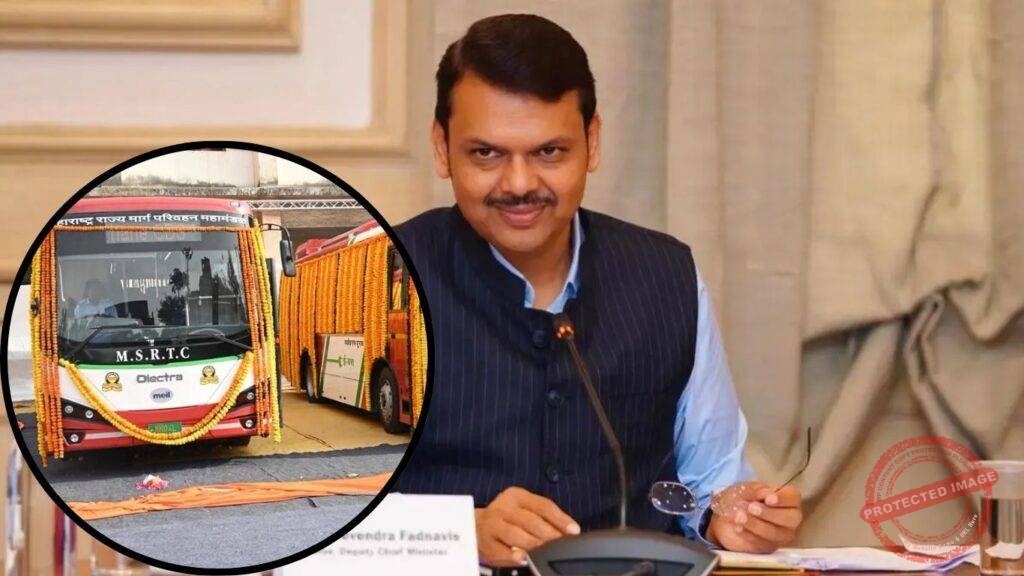
Mumbai | 02 June 2026: Chief Minister Devendra Fadnavis has directed the Maharashtra State Road Transport Corporation (MSRTC) to accelerate the deployment of a robust charging stations network across the state. The directive was issued during a high-level review meeting held at the Chief Minister’s official residence, ‘Varsha’, which focused on upgrading the state’s public transit infrastructure. Transport Minister Pratap Sarnaik also attended the session via video conferencing to align the department’s execution strategies.
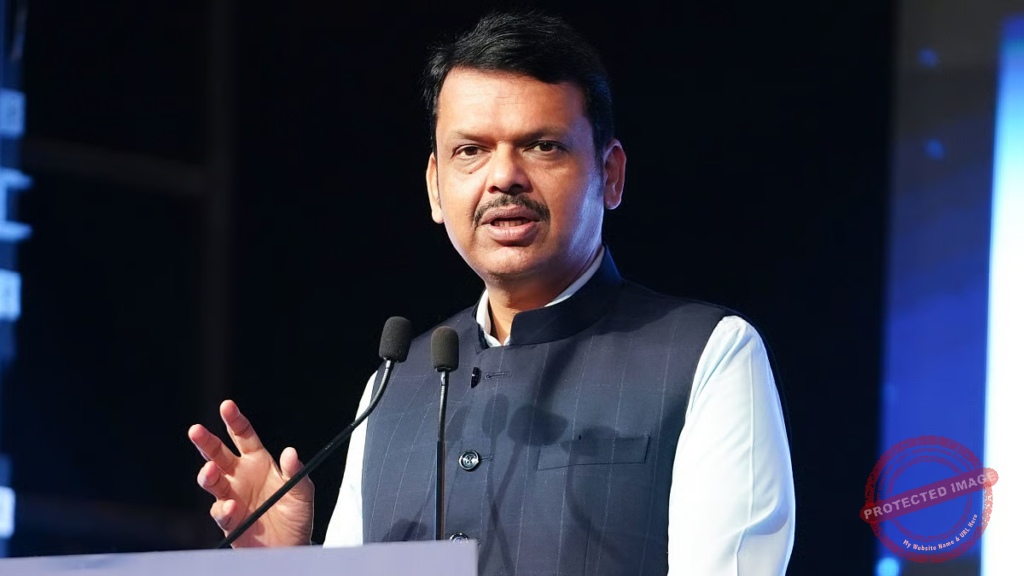
Under the state government’s ‘Developed Maharashtra’ vision, the administration has set clear, phased benchmarks for green transit: transitioning 50 percent of the state transport fleet to electric buses by 2029, 80 percent by 2035, and achieving a complete 100 percent eco-friendly fleet by 2047. Chief Minister Fadnavis instructed officials to leverage Artificial Intelligence (AI) to optimize route planning and evaluate high-traffic corridors currently dominated by private travel operators to offer better EV alternatives.
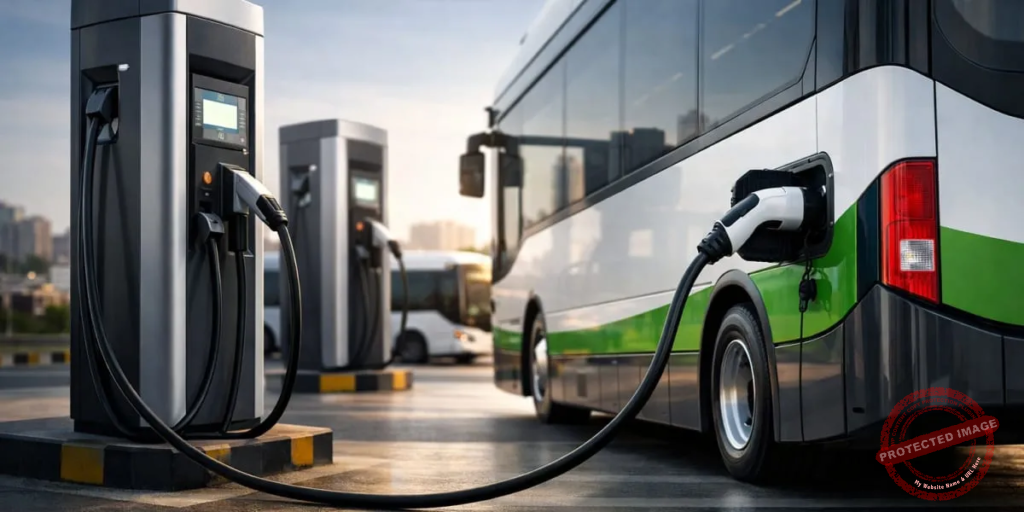
To ease the financial transition, the state’s existing Electric Vehicle (EV) policy offers a 10 percent subsidy capped at ₹20 lakh per vehicle for the first 1,500 e-buses. Leveraging this policy, MSRTC is currently executing an ambitious Gross Cost Contract (GCC) model to induct 5,150 new e-buses into its operational grid. The Chief Minister also mandated a strict seven-day inspection window for all newly delivered buses from suppliers to ensure rapid deployment.
Currently, Maharashtra ranks second nationally in EV infrastructure, operating 4,155 public charging stations to cater to over 5.69 lakh registered electric vehicles. Karnataka leads the country with 6,097 stations. Acknowledging the immediate infrastructure deficit, the state plan aims to bridge this gap rapidly by setting up high-capacity charging ecosystems at major bus depots. This coordinated infrastructure push is expected to stabilize intercity electric transit and drastically reduce the carbon footprint of public commuting.
Social media Handles :
Instagram
Youtube
Facebook
Twitter
Also Read- Pune