Pawana River Pollution: MPCB Assesses ₹2.56 Crore Compensation Against Four Industrial Units
Pawana River Pollution: MPCB Assesses ₹2.56 Crore Compensation Against Four Industrial Units
MPCB has assessed over ₹2.56 crore in environmental damage compensation against four industrial units over alleged pollution of the Pawana River.
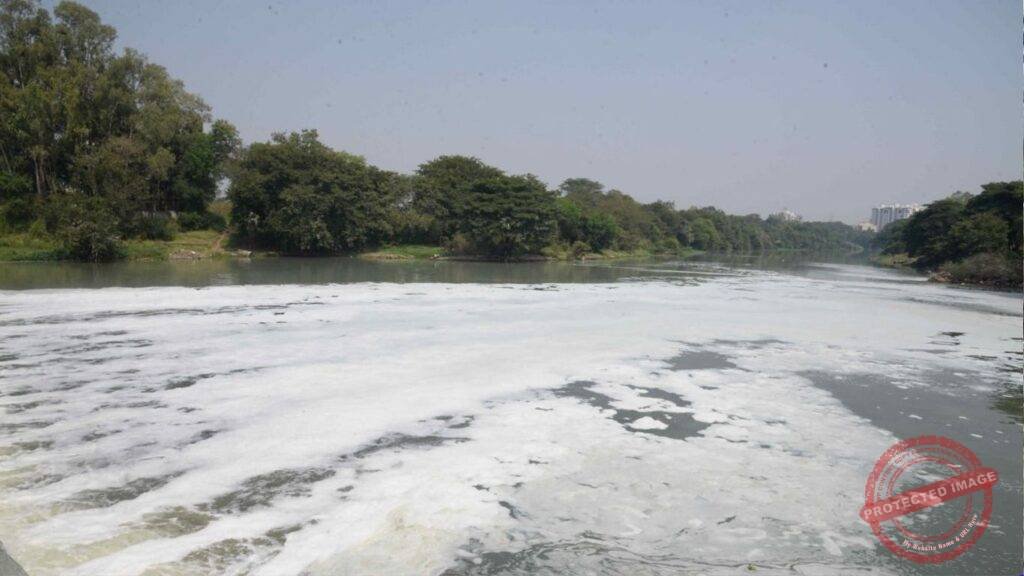
Pimpri-Chinchwad, September 21, 2026: The Maharashtra Pollution Control Board (MPCB) has assessed environmental damage compensation of more than ₹2.56 crore against four industrial units over alleged discharge of untreated effluent into the Pawana River.
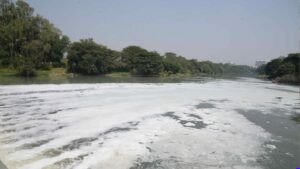
The calculations have been submitted before the National Green Tribunal (NGT) as part of ongoing proceedings concerning pollution in the river, which is an important source of drinking water for Pimpri-Chinchwad.
According to the MPCB’s affidavit, the highest proposed compensation is ₹1.71 crore against one industrial unit. The other three units face proposed environmental damage compensation of ₹62 lakh, ₹20 lakh and ₹3 lakh, respectively.
The calculations were made after the NGT directed the pollution-control authority in April 2026 to determine the period during which the units allegedly discharged untreated effluent and calculate the environmental damage accordingly.
MPCB officials have also reported further concerns following inspections conducted in July 2026. Two of the four units were allegedly found to be non-compliant with pollution-control requirements despite earlier notices. The board has initiated the process of calculating additional environmental compensation against these units.
However, the proposed compensation is not yet a final penalty. The NGT has directed that all four industrial units be added as parties to the proceedings and has made it clear that any environmental damage compensation can be imposed only after the concerned companies are given an opportunity to present their submissions.
The case is part of wider proceedings concerning pollution in the Pawana River. The river has been under scrutiny over industrial effluent, sewage and waste-management issues along its banks. The NGT proceedings have also highlighted sanitation and sewage-treatment gaps in villages located along the river.
Meanwhile, efforts to fund a larger river-pollution control programme have faced hurdles. PCMC has been examining whether it can finance proposed pollution-control measures from its own resources after the state government informed the NGT that funds were unavailable under the current 15th Finance Commission cycle for the proposed sewage-treatment project.
The NGT is continuing to monitor measures proposed by government agencies to address pollution in the Pawana River, including industrial effluent discharge, sewage treatment and waste management.
Social media Handles :
Instagram
Youtube
Facebook
Twitter
NewsDotz