Aadhaar Verification Overhaul: Photocopies to be Banned, Digital Checks to Take Over
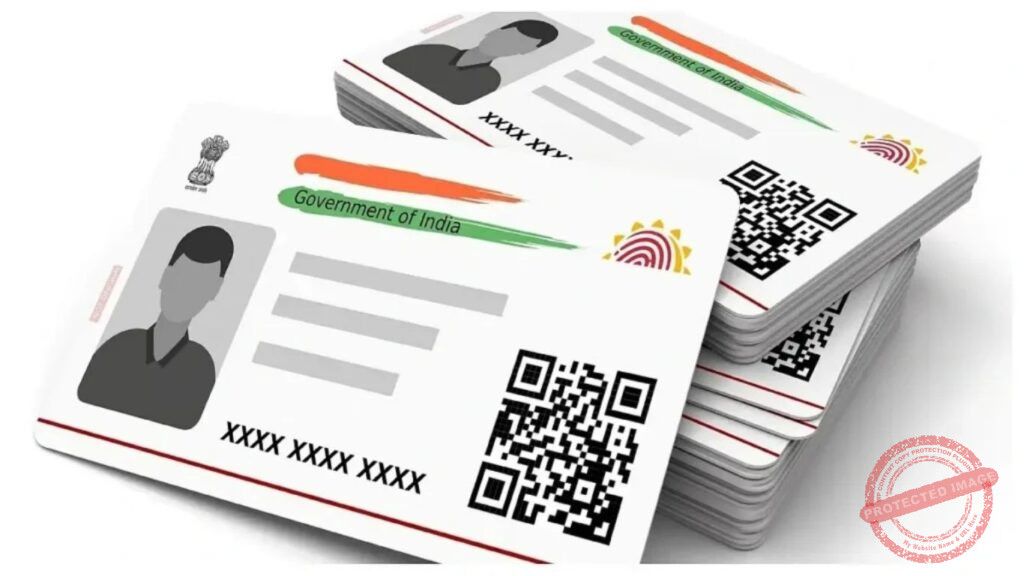
Aadhaar
New Aadhaar rules will ban photocopies and mandate digital verification via app or QR codes, boosting privacy and data security across India.
Mumbai|09 December 2025: The government is rolling out a major overhaul of how Aadhaar card verification is handled, shifting away from physical photocopies and embracing secure digital authentication. Under the forthcoming regulation from UIDAI, hotels, event organisers and other private entities will no longer be permitted to take or retain photocopies of Aadhaar cards – a practice long deemed risky due to potential misuse of sensitive personal data. Instead, verification must be done electronically, either via QR-code scanning or through an upcoming Aadhaar-app system.
Entities wishing to carry out Aadhaar-based identity checks will be required to register with the authority. Once registered, they will gain access to secure digital verification methods, including an API for seamless authentication without the need to store or retain any physical copy. This step aims to tighten data protection and ensure compliance with legal provisions that bar unauthorized retention of Aadhaar copies.
The new system isn’t just about banning paper – it’s designed to offer greater convenience and resilience. The Aadhaar app, currently in development, will allow offline verification even when servers are unreachable — a vital feature for airports, retail outlets, event venues, and other spots where identity checks might not always have uninterrupted internet connectivity. Users will also have finer control over what data they share: instead of handing over an entire identity document, one can share only required details such as name, age, or address.
This shift signals a broader move toward digital governance and data privacy. By replacing informal Aadhaar-copy practices with a regulated, auditable verification ecosystem, the new framework aims to eliminate a major privacy loophole. The risk of Aadhaar data being stored insecurely- on paper, in files, or shared via messaging apps -will drastically reduce, thereby limiting chances of identity theft, fraud or misuse.
For citizens, the change could translate into safer interactions with hotels, retail stores, housing societies, event venues or other private entities that require identity verification. As private establishments onboard the digital system, individuals will no longer have to surrender sensitive identity documents; instead, they can share minimal, required data – and retain control over what gets shared and when.
However, the success of this overhaul will depend heavily on smooth implementation. Entities must complete formal registration, integrate verification systems correctly, and ensure they do not fall back on old habits. For individuals, it will be important to familiarise themselves with the new verification routes and demand compliance – especially in spaces that traditionally asked for photocopies.
In sum, this Aadhaar verification revamp marks a significant step toward balancing identity authentication with data privacy. By banning photocopies and enforcing digital verification, the authorities are moving to build a safer, more controlled identification regime- one that protects citizens’ personal data while enabling reliable verification across sectors.
Follow us On Our Social media Handles :
Instagram
YouTube
Facebook
Twitter