Ajit Pawar Orders Daytime Power, Solar Fencing & AI Monitoring to Curb Human-Leopard Conflict in Pune
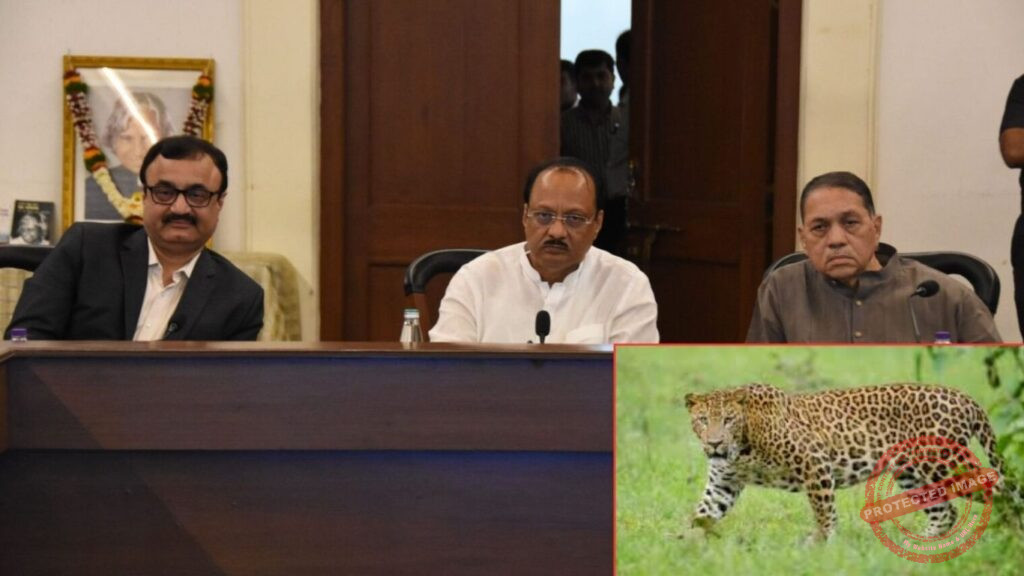
Deputy CM directs daytime electricity in conflict zones, 100% subsidised solar fencing, deployment of AI units, rescue centre setup to mitigate man-leopard clashes.
Pune, October 16, 2025: In an urgent effort to stem rising incidents of human-leopard conflict in Pune district, Deputy Chief Minister Ajit Pawar has announced a multi-pronged mitigation plan involving daytime power supply, fully subsidised solar fencing, AI-based monitoring units, and a dedicated rescue centre. The directive was issued during a high-level review meeting in Pune, attended by senior officials from forest, power, and district administration departments.
Pawar’s order mandates that starting October 31, 2025, daytime electricity will be available in talukas most affected by leopard activity—namely Junnar, Shirur, Ambegaon, Khed, Daund in Pune, and select areas in Ahmednagar district. The move is intended to allow farmers and labourers to work in fields during daylight hours with reduced risk from nocturnal predators.
Under the plan, farmers in conflict-prone villages will receive 100% subsidised solar fencing installations to secure their fields and livestock. To bolster surveillance, 50 AI-enabled monitoring units will be deployed across hotspot zones to detect leopard movements in real time and trigger alerts. A new rescue centre capable of housing up to 200 leopards, to be located in Shirur, has also been approved in principle. Additionally, a fund of ₹2 crore has been earmarked specifically for cage traps and rescue infrastructure to facilitate rapid response.
Pawar also stressed accelerated action on labs, sterilisation, and relocation programs to manage leopard populations sustainably. The Forest Department has been instructed to submit procurement proposals immediately to the District Planning Committee, with oversight and coordination to be handled by a nodal officer. The plan also includes providing solar lighting kits and tents to shepherds and rural workers in sensitive zones to improve safety at night.
With data indicating 21 human fatalities, 52 injuries, and around 18,000 livestock losses in the last five years from leopard encounters in the district, authorities described the escalation as bordering on a “natural calamity.” Officials have framed these interventions as essential to prevent further loss of human and animal life, while balancing ecological and agricultural interests.
Whether this blueprint—combining power, fencing, AI surveillance, and rescue capacity—can effectively reduce conflict will depend heavily on timely implementation, community cooperation, and continuous monitoring of outcomes.
Follow us On Our Social media Handles :
Instagram
Youtube
Facebook
Twitter
Also Read- Pune