Bangladesh Court Hangs Death Sentence on Ex-PM Sheikh Hasina, India Faces Plea for Arrest
Bangladesh
A Bangladesh tribunal sentences former PM Sheikh Hasina to death for crimes against humanity. She remains in India, raising questions on India’s role, Interpol warrants and diplomatic complexity.
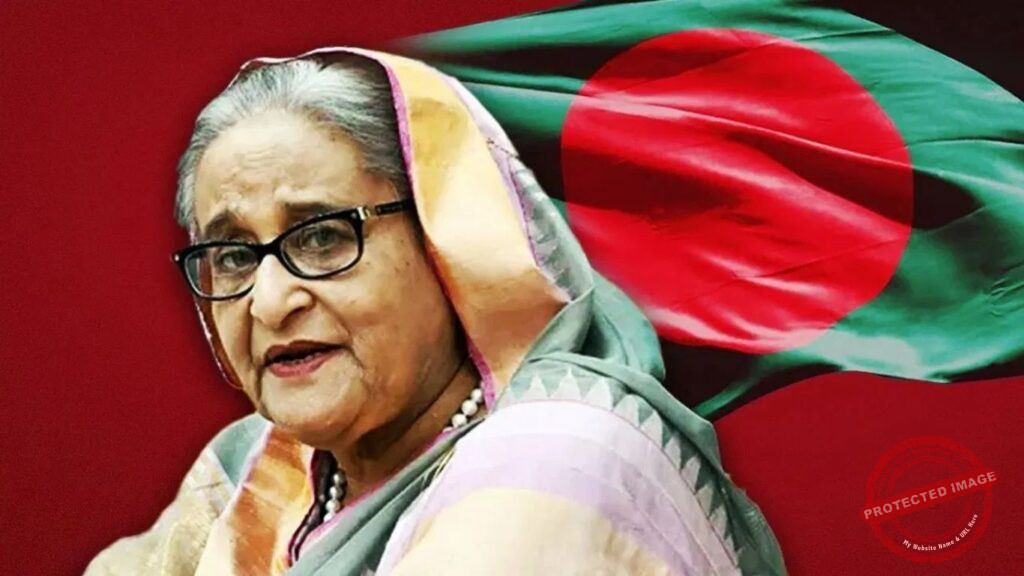
DHAKA / NEW DELHI, 17 November 2025 – A special tribunal in Bangladesh has sentenced former Prime Minister Sheikh Hasina to death in a trial held in her absence, triggering an international legal and diplomatic storm as she currently remains in India. The verdict relates to her alleged role in the violent crackdown on student-led protests in 2024, during which more than a thousand people were reportedly killed. The court found her guilty of crimes against humanity, citing evidence that the security forces acted on her orders using aerial assaults and live ammunition against demonstrators.
Sheikh Hasina has been living in India ever since she was ousted from power earlier this year, and Bangladesh’s interim government has now formally begun preparing to request Indian cooperation in securing her arrest. Officials in Dhaka are expected to approach Interpol and may also seek a formal extradition request through diplomatic channels. However, the situation is legally complicated. India does not extradite individuals without a clear treaty basis, and political offences are often treated differently under international law. Legal experts say India could decline cooperation by categorising the charges as politically motivated, but doing so may impact relations with Bangladesh at a sensitive moment.
The ruling marks the first time a former Bangladeshi prime minister has been sentenced to death for alleged human rights violations. Her party, the Awami League, has already been declared ineligible for the upcoming elections, and several of her close associates have either fled or been arrested. Human rights organisations, including international observers, have raised concerns about the transparency of the trial and the speed with which the conviction was delivered. They argue that the case appears driven by political vengeance rather than due legal process.
In India, the case has sparked debate over how the government should respond. Sheikh Hasina has enjoyed close ties with New Delhi over the years, and the decision now involves balancing diplomatic commitments with legal and political realities. The Indian government has not yet issued an official statement, but officials suggest that any action will depend on formal requests, documentation and legal evaluation under the Extradition Act.
Bangladesh’s interim leadership has signaled that it wants to send a message that no leader is above accountability, but critics say the process risks further polarising the country and deepening instability. Supporters of Sheikh Hasina have condemned the verdict and called it an act of political persecution. Security remains tight across Bangladesh, where authorities are bracing for protests.
The coming days are expected to clarify whether Bangladesh will pursue Interpol alerts and whether India will recognise or reject the requests. The case is already shaping into a major regional flashpoint that could define future India–Bangladesh relations, as well as global perceptions of Bangladesh’s judicial credibility.
Follow us On Our Social media Handles :
Instagram
Youtube
Facebook
Twitter
Also Read- Pune