Bengaluru Soil Bacteria Could Help Build Stronger Bricks for Mars Habitat Research
Bengaluru
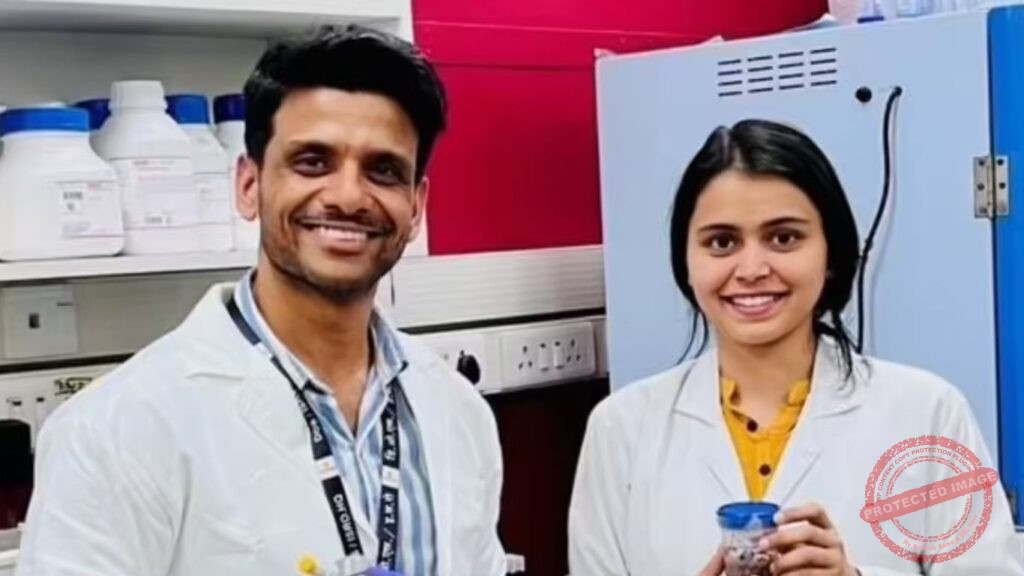
Researchers at the Indian Institute of Science (IISc), including astronaut Shubhanshu Shukla, found that bacteria from Bengaluru soil can enhance the strength of “space bricks” made from Martian soil simulant, even with toxic perchlorate present.
Bengaluru, January 31, 2026:A new study by scientists at the Indian Institute of Science (IISc), Bengaluru, has shown that a soil bacterium from the region can play a key role in creating stronger construction materials for future Mars missions. The research, co-authored by ISRO astronaut Shubhanshu Shukla and published in PLOS One, investigated how certain microbes can turn Martian soil into durable bricks in the presence of perchlorate, a toxic compound common on Mars.
Scientists have previously explored the use of biocementation a process where microbes induce calcium carbonate precipitation to bind planetary soil into brick-like structures using soil simulants, urea, calcium, and natural adhesives like guar gum. However, Martian soil presents challenges due to its harsh chemical environment, particularly the presence of perchlorate, which can stress or inhibit microbial growth.
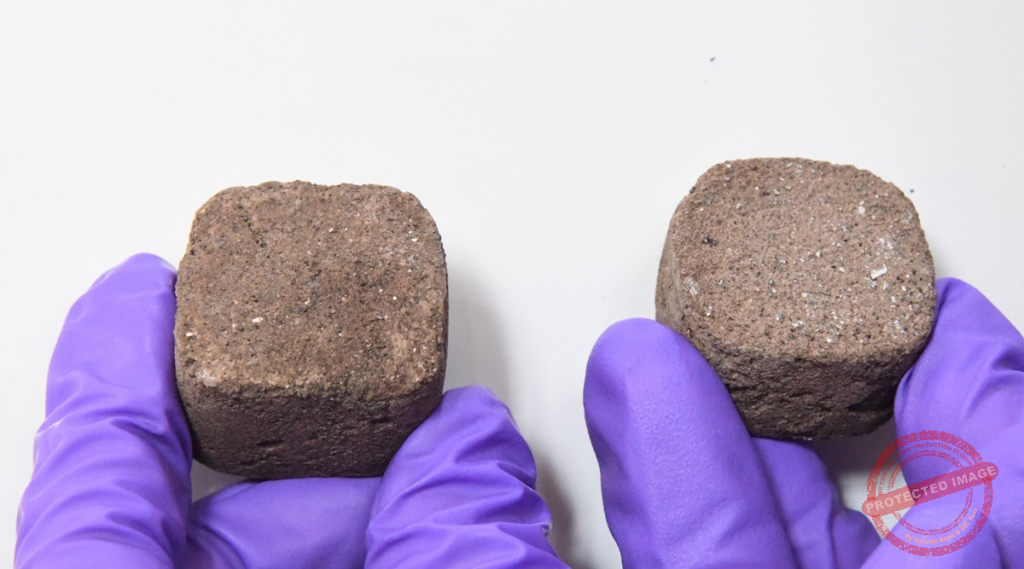
In the latest experiments, researchers used a bacterial strain isolated from Bengaluru soil that showed robust precipitate-forming ability. While perchlorate did slow down the growth of these bacteria and caused stress responses, it also led to unexpected benefits: stressed cells produced more extracellular matrix (ECM) and clumped together, forming microscopic “microbridges” with mineral precipitates. This helped glue the soil particles more effectively and resulted in bricks with enhanced strength when tested in the lab.
The team found that when perchlorate was present in the Martian soil simulant along with guar gum and nickel chloride, the biocementation process produced stronger bonds between soil particles than in mixtures without perchlorate.
The findings suggest that future Mars construction efforts could take advantage of local bacterial strains and in-situ resources to build sustainable habitats, roads, and infrastructure, reducing the need to transport heavy materials from Earth. Shukla, who is pursuing his master’s at IISc alongside astronaut training, said this approach could make extended extraterrestrial missions more feasible by leveraging local materials and biological processes.
Follow us On Our Social media Handles :
Instagram
Youtube
Facebook
Twitter
Also Read- Pune