China Upset Over Salman Khan’s Film ‘Battle of Galwan’, Global Times Calls It Factually Incorrect
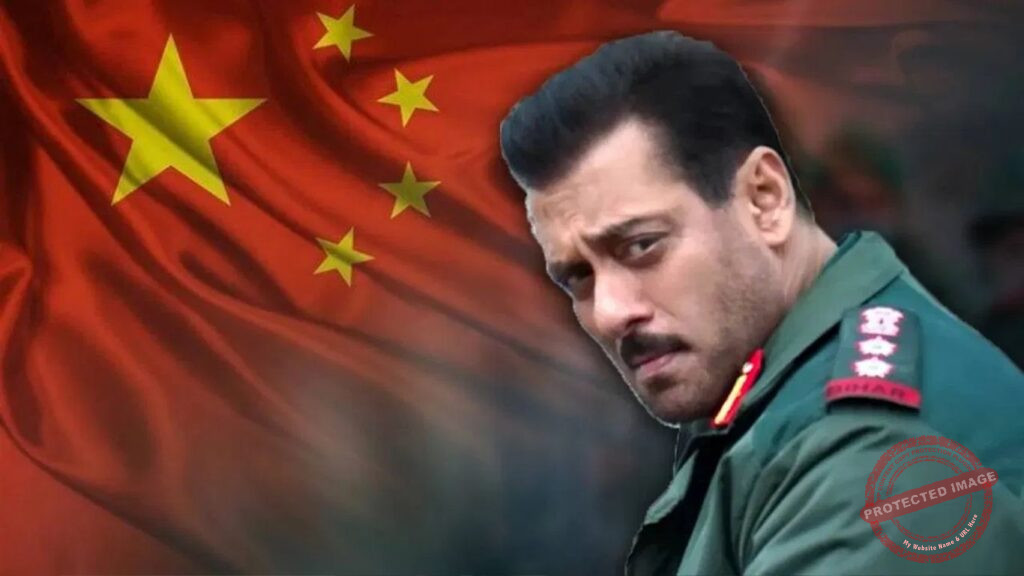
Salman Khan
China reacts strongly to Salman Khan’s upcoming film ‘Battle of Galwan’ as Global Times criticises the movie, claiming it lacks facts and distorts reality.
December 30, 2025 | Mumbai – Salman Khan’s upcoming film Battle of Galwan has triggered sharp reactions in China even before its release, with the Chinese state-affiliated media outlet Global Times strongly criticising the movie. The criticism has added an international political dimension to the film, which is based on the 2020 Galwan Valley clash between Indian and Chinese troops in eastern Ladakh.
According to reports, Global Times has accused the makers of Battle of Galwan of presenting a one-sided and factually incorrect narrative. The Chinese publication claimed that the film distorts historical events and promotes what it described as “nationalistic propaganda” rather than an objective portrayal of the incident. The commentary has sparked debate across social media and political circles, highlighting how cinema rooted in real geopolitical conflicts can quickly become a subject of diplomatic sensitivity.
The Galwan Valley clash in June 2020 marked a significant moment in India-China relations, resulting in casualties on both sides and leading to prolonged military and diplomatic engagements. Any cinematic depiction of the incident is therefore bound to attract scrutiny, both domestically and internationally. Salman Khan’s film, which reportedly focuses on the bravery and sacrifice of Indian soldiers, has been positioned as a tribute to the armed forces.
Global Times, in its reaction, alleged that such films contribute to misinformation and worsen public perception between the two countries. The publication argued that creative works based on sensitive border issues should rely strictly on verified facts and avoid emotional or dramatic exaggeration. It also questioned the timing of the film, suggesting that it could influence public sentiment amid ongoing diplomatic engagements.
In India, reactions to China’s criticism have been mixed. Supporters of the film argue that Battle of Galwan is an artistic representation intended to honour Indian soldiers and reflect national sentiment. They contend that India has the right to tell its own stories through cinema, especially when they relate to sacrifices made by its armed forces. Several commentators have pointed out that Indian filmmakers are not obligated to align their narratives with Chinese perspectives.
Film analysts note that controversies of this nature often amplify public interest in movies, especially those dealing with patriotic themes. Salman Khan, one of India’s biggest film stars, commands a massive fan base, and the international reaction has further heightened curiosity around the project. Industry observers believe that the debate could inadvertently boost the film’s visibility ahead of its release.
So far, the makers of Battle of Galwan and Salman Khan have not issued an official response to Global Times’ criticism. However, sources close to the production maintain that the film has been developed with due research and respect for real events, while also employing cinematic storytelling techniques necessary for mainstream audiences.
Political analysts observe that cultural products such as films increasingly play a role in shaping public discourse on international relations. While governments engage through formal diplomatic channels, popular media often reflects public emotion and national narratives, sometimes leading to friction across borders.
The controversy also raises broader questions about freedom of expression, artistic liberty, and the responsibilities of filmmakers when dealing with real-life conflicts. Experts argue that while cinema should be sensitive to facts, it also serves as a medium for collective memory and national identity.
As of December 30, 2025, Battle of Galwan remains one of the most talked-about upcoming Bollywood films, not only for its subject matter but also for the international reaction it has provoked. Whether the controversy will escalate further or subside after the film’s release remains to be seen. What is clear, however, is that Salman Khan’s project has already ignited a global conversation, underlining the powerful intersection of cinema, politics, and public sentiment.
Follow us On Our Social media Handles :
Instagram
Youtube
Facebook
Twitter
Also Read- Pune