CM Devendra Fadnavis demands renaming IIT Bombay as “IIT Mumbai” amid naming controversy
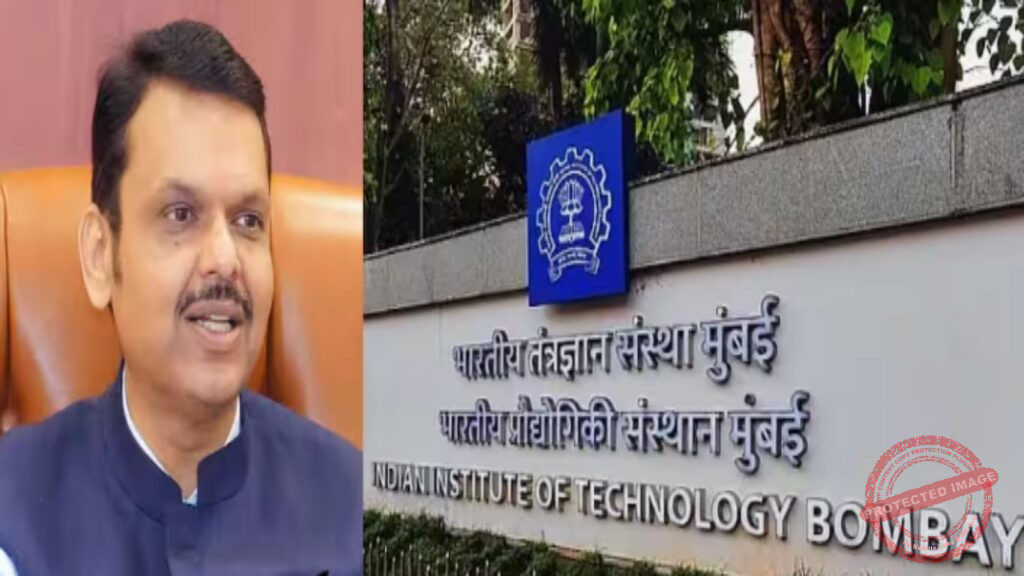
CM Devendra Fadnavis
In light of remarks from Jitendra Singh and backlash from Maharashtra Navnirman Sena, Maharashtra CM Devendra Fadnavis proposes officially changing IIT Bombay’s name to IIT Mumbai and vows to write to the Prime Minister and Education Ministry.
Mumbai, November 26, 2025 – The dispute surrounding the name of IIT Bombay has taken on fresh urgency after Maharashtra Chief Minister Devendra Fadnavis said he will write to the Prime Minister and Union Education Ministry seeking an official rename of the institution as IIT Mumbai. The demand comes after Union Minister Jitendra Singh’s recent remarks praising the retention of the name “Bombay,” which ignited strong reactions from regional political circles. Fadnavis said the change reflects respect for the city’s identity and history, and he dismissed critics who question the effort, pointing out that if others oppose renaming institutions their children attend, the same logic should apply uniformly.
Fadnavis stressed that for them “Bombay” is not just a name — the city is Mumbai, and official institutions should reflect that. He argued that the ongoing attachment to “Bombay” ignores the city’s present identity and heritage tied to “Mumbai.” According to him, formally renaming IIT Bombay would acknowledge and reinforce the city’s name change that occurred decades ago. Fadnavis noted that leaders from his party had earlier supported such changes, and he believes this step would align public institutions with the broader cultural and historical sentiments of Maharashtrians.
The controversy flared after comments by Jitendra Singh in which he expressed satisfaction that the institution’s globally recognized name remained “IIT Bombay,” rather than being changed to “Mumbai.” That stance triggered criticism from regional leaders and activists who see it as dismissive of local identity. Supporters of the rename demand say that names carry symbolic weight: official places and institutions should bear names that resonate with present-day identity rather than colonial legacies or outdated tags.
Some local political voices, particularly from the Maharashtra Navnirman Sena, have been vocally opposing the use of “Bombay” in official names — arguing that clinging to that old name undermines local history and pride. The debate has rekindled wider conversations around renaming roads, institutions and places across Mumbai and Maharashtra to reflect Marathi identity and civic pride. This issue has touched a nerve among many citizens who believe names matter more than mere labels — they reflect history, respect, and regional sentiment.
Critics of the rename effort, however, warn that changing the well-established name of a globally recognized institution may carry unintended consequences. IIT Bombay enjoys a strong national and international reputation under its existing name; changing the name could create logistical difficulties, confusion among alumni, and challenges in global recognition. Others argue that educational excellence matters more than nomenclature, and efforts should focus on improving infrastructure and academic quality rather than engaging in identity-based renaming.
As the matter escalates, many stakeholders — alumni, students of IIT, education experts, and political representatives — are watching closely. Fadnavis’s decision to take the demand formally to the highest level has ensured that the discussion is no longer limited to opinion pieces and social media; it could soon reach the corridors of the Union Education Ministry. Meanwhile, public debates continue over whether institutions should reflect contemporary identity or preserve the legacy associated with their long-standing names.
Fadnavis’s move also raises broader questions about identity and change in a rapidly evolving city. For many, renaming IIT to IIT Mumbai is about recognition, respect, and aligning with a post-colonial identity. For others, it is a disruption of history and branding. The coming responses from the central government — and from the institution itself — will determine whether this is a symbolic gesture or a precursor to deeper changes in naming conventions across India.