Conspiracy to Turn Marathwada into a Drought Zone?
Marathwada
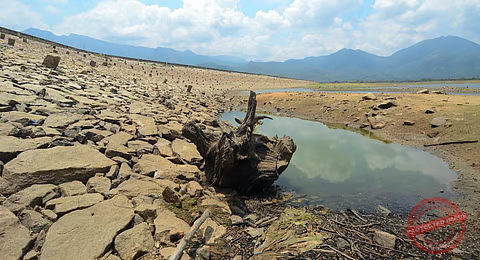
A growing pattern of water mismanagement, policy neglect, and uneven development is raising serious concerns that Marathwada risks being pushed into a permanent drought crisis.
Aurangabad | 29 March, 2026: The recurring drought conditions in Marathwada are no longer being viewed as mere natural calamities but increasingly as the outcome of systemic neglect and policy failures. Once again, the region finds itself grappling with acute water scarcity, failing crops, and rising distress among farmers, prompting a larger debate on whether this situation is being allowed to persist by design rather than by chance.
Despite repeated assurances and multiple the ground reality in Marathwada remains largely unchanged. Large-scale irrigation projects have either been delayed, underutilised, or plagued by irregularities. Water that was meant to transform agriculture in the region has often failed to reach the fields, leaving farmers dependent on erratic monsoon rains.
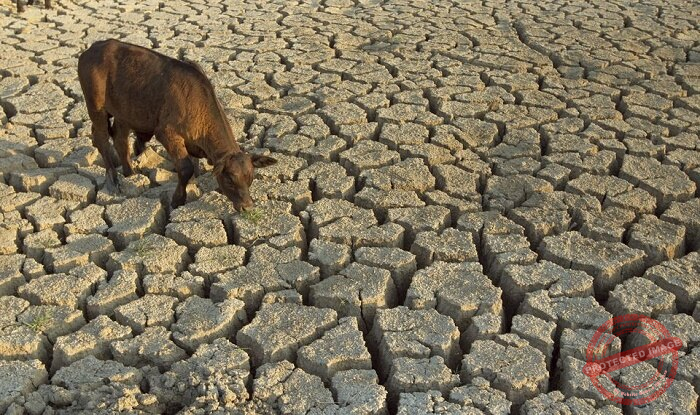
Critics argue that water allocation policies have consistently favoured industrial belts and urban centres at the expense of drought-prone regions like Marathwada. The diversion of water resources to sugarcane cultivation—often concentrated in politically influential areas-has further aggravated the imbalance. This has led to a paradox where water-intensive crops thrive in select pockets while vast stretches of farmland remain parched.
The issue is compounded by the lack of sustainable water management practices. Groundwater depletion has reached alarming levels due to over-extraction, while rainwater harvesting and watershed development initiatives have not been implemented effectively at scale. Experts warn that without urgent intervention, the region could face irreversible ecological damage.
Farmers in Marathwada continue to bear the brunt of this crisis. Crop failures, mounting debts, and uncertain incomes have pushed many into distress, with reports of migration and socio-economic instability becoming increasingly common. The absence of reliable irrigation has made agriculture a high-risk occupation, further discouraging investment in the sector.
Policy analysts emphasize that the problem is not the absence of resources but the lack of equitable distribution and long-term planning. While funds are allocated on paper, execution often falls short due to bureaucratic inefficiencies and lack of accountability. This has led to growing frustration among citizens, who feel that their concerns are not being adequately addressed.
There is also a pressing need to rethink cropping patterns in the region. Encouraging less water-intensive crops, promoting micro-irrigation techniques, and strengthening local water governance systems could help mitigate the crisis. Additionally, empowering local communities to manage water resources may lead to more sustainable outcomes.
The narrative that Marathwada is destined to remain drought-prone must be challenged. With the right policies, transparent governance, and community participation, the region has the potential to overcome its water संकट. However, the current trajectory raises uncomfortable questions about priorities and intent.
As climate variability intensifies and water resources become increasingly scarce, the stakes are higher than ever. If corrective measures are not taken urgently, the fear that Marathwada is being turned into a permanent “drought zone” may soon become a harsh reality rather than a speculative concern.
Follow us On Our Social media Handles :
Instagram
Youtube
Facebook
Twitter
Also Read- Pune