Digital Arrest’ Is a Scam: Devendra Fadnavis Warns Citizens, Urges Immediate Reporting of Online Fraud
digital
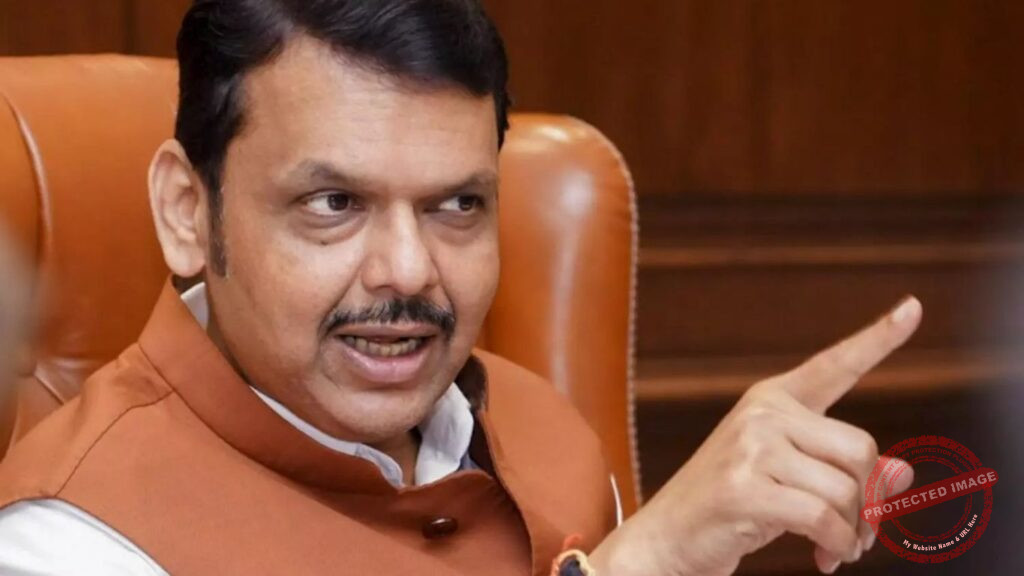
Maharashtra CM Devendra Fadnavis warns citizens about the rising “digital arrest” scam and urges immediate reporting of cyber fraud cases.
Pune | 26 February 2026: Maharashtra Chief Minister Devendra Fadnavis has issued a strong public warning against the rapidly spreading “digital arrest” scam, describing it as a dangerous and deceptive form of cyber fraud aimed at extorting money from unsuspecting citizens. Highlighting the seriousness of the issue, the Chief Minister clarified that no legitimate government agency, police department, or central investigative authority conducts arrests through video calls or online platforms. He urged people not to panic if they receive such calls and instead immediately disconnect and report the incident to the national cybercrime helpline at 1930 or through the official cybercrime reporting portal.
The “digital arrest” scam is an emerging cybercrime tactic in which fraudsters impersonate officials from agencies such as the police, CBI, or RBI. Victims are contacted via phone or video call and falsely accused of being involved in serious crimes, including money laundering, narcotics trafficking, or financial fraud. Scammers often claim that a warrant has been issued in the victim’s name and that they are under “digital arrest,” pressuring them to transfer large sums of money to avoid immediate legal consequences. To make the scam appear authentic, criminals use spoofed phone numbers, forged identity cards, and staged video backgrounds resembling police stations or government offices. The strategy relies heavily on fear, urgency, and psychological manipulation.
Cybercrime experts note that such scams have increased significantly across India in recent years, particularly after the rapid expansion of digital transactions and online banking services. Fraudsters often target senior citizens, business owners, and professionals who may be less familiar with evolving cyber tactics. In many cases, victims are instructed not to inform family members or consult lawyers while the so-called investigation is ongoing, isolating them and increasing vulnerability. Authorities emphasize that genuine law enforcement agencies follow due legal procedures and never demand money to avoid arrest.
The Maharashtra government has stepped up efforts to combat cybercrime by strengthening cyber police stations, enhancing coordination with banks to freeze suspicious transactions quickly, and launching awareness campaigns to educate the public about online fraud. Chief Minister Devendra Fadnavis reiterated that public awareness remains the strongest defense against such crimes. He advised citizens never to share OTPs, bank details, Aadhaar information, or confidential documents with unknown callers, regardless of how official they may sound.
The broader implications of such scams are significant, as they undermine public trust in digital systems and law enforcement institutions. With India’s increasing reliance on digital payments and online services, ensuring cybersecurity has become a top priority for state and central authorities. Officials stress that timely reporting can significantly improve the chances of recovering lost funds and tracking down cybercriminal networks.
In conclusion, the so-called “digital arrest” is nothing more than a fraudulent tactic designed to exploit fear and confusion. As clearly stated by Maharashtra Chief Minister Devendra Fadnavis, arrests cannot and do not happen digitally. Citizens must remain vigilant, verify suspicious communications, and report any fraudulent attempts immediately. Awareness, caution, and prompt action are essential to curbing the rise of online fraud and protecting financial security in an increasingly digital world.
Follow us On Our Social media Handles :
Instagram
Youtube
Facebook
Twitter
Also Read- Pune