Fadnavis Statement Triggers Tension Between Ajit Pawar and Eknath Shinde Ahead of Local Elections
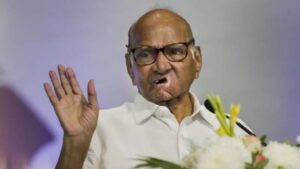
Ajit Pawar
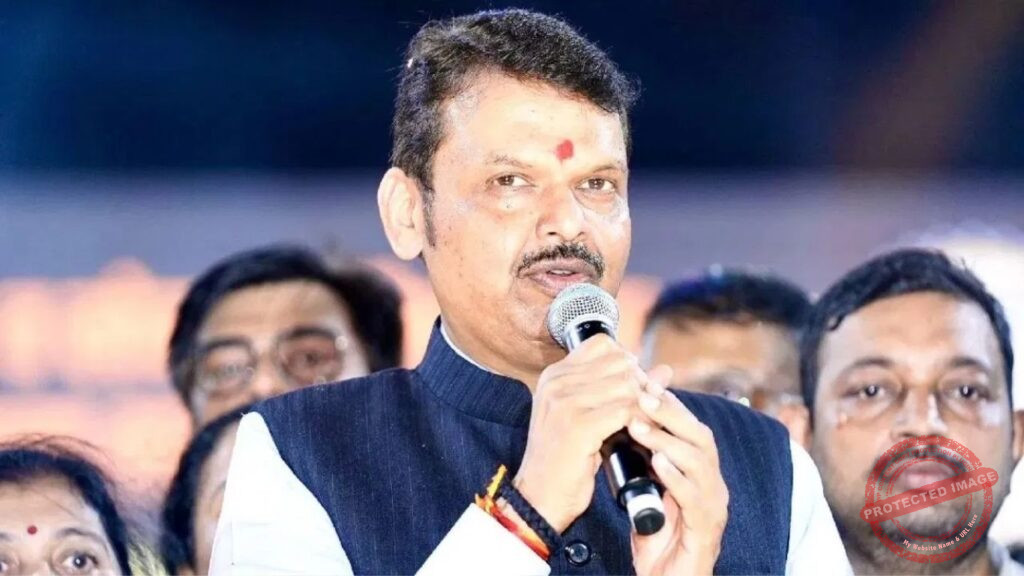
Maharashtra Chief Minister Devendra Fadnavis’s recent remark about contesting some local body elections independently and others in alliance has stirred tensions between Deputy CMs Ajit Pawar and Eknath Shinde as the Mahayuti alliance prepares for the upcoming polls.
Mumbai, October 23, 2025 – As Maharashtra gears up for the upcoming local body elections, Chief Minister Devendra Fadnavis has made a statement that has ignited fresh tension within the ruling Mahayuti alliance. According to reports, Fadnavis declared that while his party, the Bharatiya Janata Party (BJP), would fight certain municipal elections in alliance, in many other areas it would contest independently. He also reportedly added that he will not be going anywhere till 2029, a remark interpreted politically as signalling the BJP’s long-term intention to lead. Sources within the alliance suggest that this comment has unsettled allies particularly Deputy Chief Ministers Ajit Pawar (NCP) and Eknath Shinde (Shiv Sena-Shinde faction) as they perceive it as an assertion of BJP dominance and a move that could shrink their bargaining space.
In his remarks, Fadnavis clarified that in the Mumbai Municipal Corporation poll the alliance will contest under a coalition but in Pune and Pimpri-Chinchwad, the BJP will go it alone. For Thane, the decision-making authority regarding alliance seats was reportedly given to Eknath Shinde. The division of these local elections is significant given that the Mahayuti faces political pressure from the opposition and internal strains among allies. The statement from Fadnavis comes amid speculation across Maharashtra about whether the local elections will be fought under the Mahayuti umbrella or if constituent parties will take an independent route. Analysts say the timing just ahead of these polls suggests a tactical signal from the BJP about its intent to lead the political narrative and claim primacy within the alliance.
Within the alliance, Ajit Pawar’s Nationalist Congress Party (NCP) and Eknath Shinde’s Shiv Sena (Shinde group) are both watching closely. While the two are formally coalition partners, behind the scenes both parties are asserting their own identity and influence. Fadnavis’ message that some elections will be fought solo by BJP could be seen as constraining for his allies, who fear losing ground in the decision-making on ticket distribution and local administration posts. Political insiders suggest that both Pawar and Shinde are weighing their options: whether to accept the BJP’s lead quietly or push back to protect their parties’ regional bases and leadership ambitions.
Observers note that while Fadnavis reaffirmed the solidity of the coalition, he also stressed that alliances are fluid and the BJP remains the “central pole” of power in Maharashtra. The alliance’s durability, therefore, depends on keeping partners satisfied. Fadnavis’ comment on “not going anywhere till 2029” is being read as an implicit warning to allies to fall in line or risk marginalisation. The political climate in Maharashtra has been marked historically by shifting loyalties and alliance realignments, making even subtle remarks significant.
For the electorate and party cadres, the emerging tension could influence the local body election strategies. If the partners interpret the BJP’s stance as too aggressive and unaccommodating, there is a risk of misalignment, candidate clashes, or weakened coordination on the ground. On the other hand, the BJP might be signalling to its base the intent to expand independent operations where feasible while keeping the alliance intact where necessary.
In practical terms, this means district-level units will be watching for directives on whether tickets will be allocated in alliance mode or independently. The question of who controls the candidate lists, the campaign funds and the post-poll administrative deals will rise in importance. For Pawar’s and Shinde’s supporters, the fear is losing automatic placement in the coalition hierarchy. For the BJP, the message is clear: it will assert leadership and expects partners to align accordingly.
As the election timetable approaches, the Mahayuti leadership will have to manage these internal nuances carefully. Big public signals, like Fadnavis’ statement, may shift from being mere rhetoric to operational challenges if alliance partners feel sidelined. How the BJP, NCP and Shiv Sena (Shinde) reconcile the leadership, ticket sharing and post-poll roles will shape not just the local poll outcomes, but also the broader political stability in Maharashtra heading into 2029.
Follow us On Our Social media Handles :
Instagram
Youtube
Facebook
Twitter
Also Read- Pune