Forests Hold Key to Sustainable Future Amid Rising Environmental Challenges
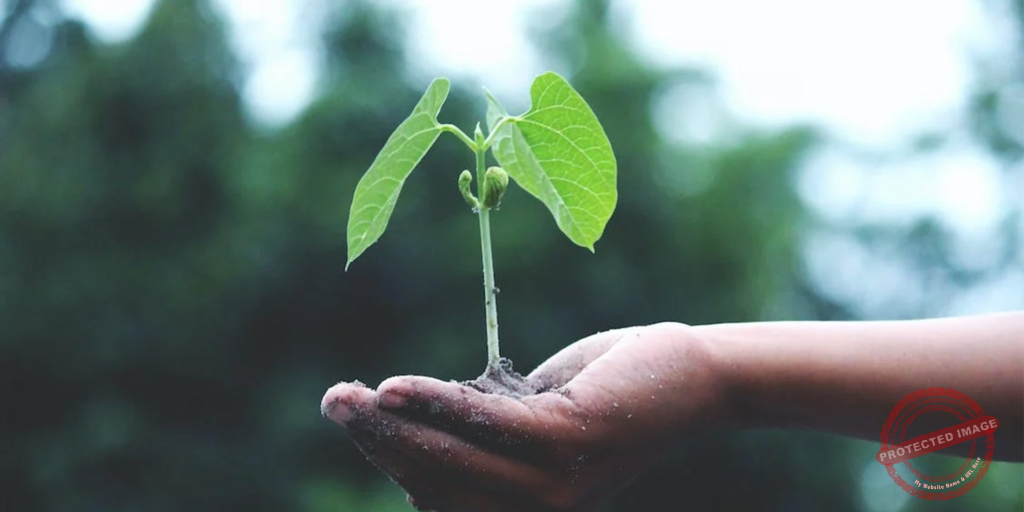
Sustainable Future
Forests are emerging as critical to climate stability and sustainable development, with experts stressing urgent conservation measures as deforestation, climate change and biodiversity loss continue to threaten ecological balance.
New Delhi | March 21, 2026: Forests are increasingly being recognised as a cornerstone of sustainable development, as environmental experts and policymakers highlight their vital role in combating climate change and preserving ecological balance.
With rising global temperatures and erratic weather patterns becoming more frequent, forests serve as natural buffers by absorbing carbon dioxide and regulating the climate. They also play a crucial role in maintaining water cycles, preventing soil erosion and supporting biodiversity. Experts say that without strong forest ecosystems, achieving long-term environmental sustainability will remain a significant challenge.
However, forests across the world, including in India, continue to face growing pressure due to urbanisation, infrastructure development and industrial expansion. Large-scale deforestation and land-use changes have led to a steady decline in forest cover, raising concerns about the long-term impact on both the environment and human livelihoods.
According to environmentalists, the loss of forests not only contributes to climate change but also increases the risk of natural disasters such as floods, droughts and landslides. The disappearance of green cover disrupts ecosystems and threatens wildlife habitats, pushing several species closer to extinction.

In India, the challenge lies in balancing economic growth with environmental conservation. While development projects are necessary, experts emphasise the need for sustainable planning that minimises damage to forests. There is a growing call for stricter implementation of environmental regulations and more responsible land-use policies.
Government initiatives such as afforestation and reforestation programmes have been undertaken to restore degraded forest areas. However, experts argue that protecting existing forests should be prioritised over creating new plantations, as natural forests support richer biodiversity and more stable ecosystems.
The role of local and indigenous communities is also being increasingly recognised in forest conservation efforts. These communities have traditionally depended on forests for their livelihoods and possess deep knowledge of sustainable practices. Involving them in conservation strategies can lead to more effective and inclusive solutions.
Technological advancements are also being leveraged to strengthen forest management. Satellite monitoring, remote sensing and data-driven approaches are helping authorities track deforestation and respond more quickly to threats such as illegal logging and forest fires.
At the same time, environmental awareness among citizens is seen as a key factor in protecting forests. Experts stress that individual actions, such as reducing consumption of forest-based resources and supporting sustainable products, can collectively make a significant difference.

As climate concerns intensify globally, forests are no longer viewed merely as natural resources but as essential assets for human survival. Policymakers, scientists and environmentalists agree that urgent and sustained efforts are needed to protect and restore forests.
The path to a sustainable future, they say, depends on the decisions made today. Strengthening conservation policies, promoting responsible development and fostering community participation will be crucial in ensuring that forests continue to support life for generations to come.
Follow us On Our Social media Handles :
Instagram
Youtube
Facebook
Twitter
Also Read- Pune