Government Extends Jal Jeevan Mission Deadline to 2028 to Achieve Universal Rural Tap Water Access
Government
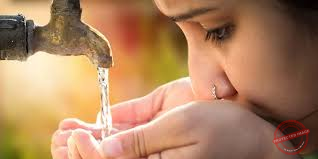
The Government of India has extended the Jal Jeevan Mission until 2028, aiming to ensure safe and adequate tap water supply to every rural household while strengthening water infrastructure across villages.
New Delhi | 11 March, 2026:The Government of India has decided to extend the timeline of the flagship Jal Jeevan Mission until 2028, reaffirming its commitment to provide safe and adequate tap water connections to every rural household in the country. The decision comes as part of the Centre’s continued efforts to improve rural infrastructure, strengthen drinking water access, and ensure sustainable water management across India’s villages.
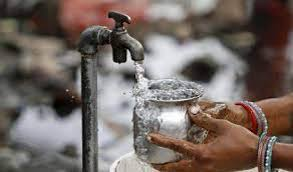
Launched in 2019 by the Government of India, the Jal Jeevan Mission was designed with the ambitious goal of providing functional household tap connections to all rural homes. The programme seeks to address long-standing challenges related to drinking water availability, water quality, and the burden placed on rural families-particularly women and children-who traditionally travel long distances to collect water.
Officials said the extension of the mission’s deadline will allow state governments and local authorities additional time to complete pending projects and expand water infrastructure in remote and underserved areas. While the scheme has already achieved significant progress in many states, the scale and complexity of implementing water supply networks across thousands of villages has required more time and resources.
Under the mission, the government aims to ensure that every rural household receives a regular supply of safe drinking water through a tap connection within their premises. The initiative involves the construction of pipelines, water treatment plants, overhead tanks, and village-level water distribution systems. It also promotes community participation and local governance in managing water resources effectively.
According to government data, millions of households have already been connected to piped drinking water under the programme since its launch. Several states have reported near-universal coverage, while others continue to expand infrastructure in geographically challenging regions such as hilly areas, tribal belts, and drought-prone districts.
Experts say the extension reflects both the achievements and the challenges of implementing one of the world’s largest rural water supply programmes. Providing tap water to every household requires not only physical infrastructure but also sustainable water sources, proper maintenance systems, and local community involvement.
Public health specialists have emphasized that improved access to clean drinking water plays a crucial role in preventing waterborne diseases, improving sanitation, and enhancing overall quality of life in rural areas. Safe water supply is also closely linked to better nutrition, school attendance, and economic productivity, especially for women who traditionally spend hours collecting water for household use.
The mission also focuses on water quality monitoring and testing, ensuring that supplied water meets safety standards. In many villages, local volunteers and trained community members are involved in testing water samples and maintaining infrastructure, creating a decentralized model of water governance.
Officials added that the extension to 2028 will enable authorities to address logistical challenges, complete unfinished pipeline networks, and strengthen institutional capacity for long-term water management. State governments are expected to accelerate project implementation in collaboration with district administrations and village councils.
As India continues to expand its rural infrastructure and social development initiatives, the Jal Jeevan Mission remains a key component of the country’s broader goal of improving living standards in villages. By extending the timeline, policymakers hope to ensure that the ambitious promise of tap water for every rural household becomes a sustainable and lasting reality.
Follow us On Our Social media Handles :
Instagram
Youtube
Facebook
Twitter
Also Read- Pune