Government Pushes for 30-Day Mobile Recharge Plans to End 28-Day Cycle Confusion
Government
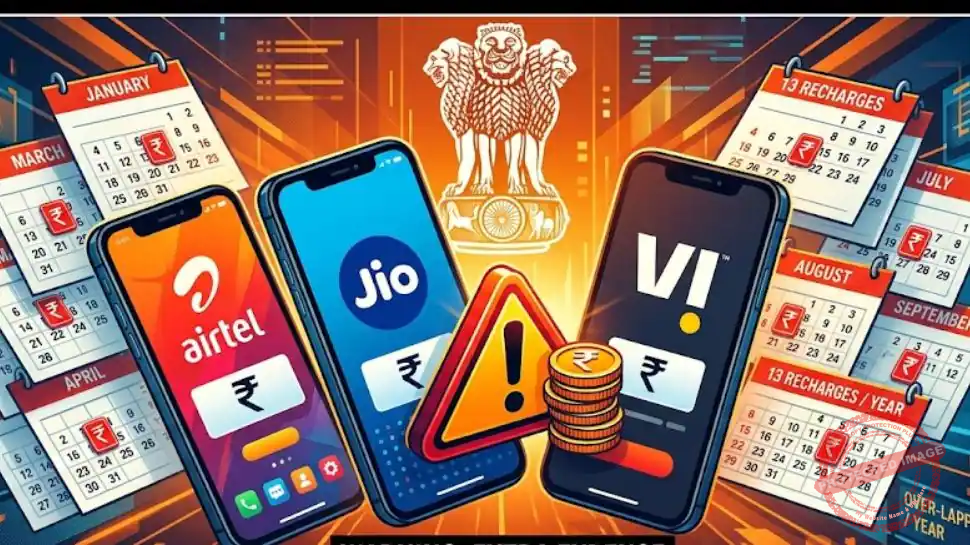
The Centre is pushing telecom operators to offer clearer 30-day recharge plans, addressing concerns that 28-day “monthly” packs force users to recharge 13 times a year.
New Delhi | 25 March, 2026:
The debate over mobile recharge validity in India has gained fresh momentum, with the government and regulators pushing for a shift towards 30-day plans to bring clarity and fairness for users. The move is aimed at addressing long-standing concerns around the prevalent 28-day recharge cycle, which many argue is misleading when marketed as “monthly.”
Currently, most prepaid telecom plans in India come with a 28-day validity, meaning users effectively have to recharge 13 times in a year instead of 12. This has raised concerns among policymakers and consumer rights advocates, who say the system increases the annual cost burden on subscribers.
The issue has also been highlighted in Parliament, where it was pointed out that the existing cycle creates confusion and does not align with the standard calendar month. With millions of prepaid users across the country, even a small difference in recharge frequency translates into a significant financial impact at scale.
As part of corrective measures, the Telecom Regulatory Authority of India has already mandated that telecom operators must offer at least one plan with a full 30-day validity or a plan that renews on the same date every month. However, most operators continue to promote 28-day plans as their primary offerings, keeping the confusion alive.

The government’s renewed push is expected to bring more transparency in tariff structures and ensure that consumers clearly understand what they are paying for. Officials believe that standardizing recharge cycles to match calendar months will simplify billing and improve user experience.
Telecom companies, on the other hand, have largely continued with the 28-day model as it aligns with their revenue strategies and operational cycles. Industry experts note that any large-scale shift to 30-day plans could impact pricing structures and profitability, especially in a highly competitive market.
Beyond validity concerns, there have also been broader demands related to prepaid services. These include extending incoming call validity even after recharge expiry and allowing unused data to roll over to the next cycle. Such proposals are being discussed as part of wider telecom reforms aimed at improving consumer rights.
For users, the potential shift to 30-day recharge plans could mean fewer recharges annually, better cost predictability, and reduced confusion while selecting plans. However, until such changes are fully implemented across operators, the 28-day cycle is likely to remain dominant.
The development signals a growing focus on consumer-centric reforms in India’s telecom sector, where transparency and fairness are becoming key priorities alongside technological advancement.
Follow us On Our Social media Handles :
Instagram
Youtube
Facebook
Twitter
Also Read- Pune