High Court Rejects Bail in “Sex on Promise of Marriage” Case Citing Horoscope Mismatch Argument

Delhi
Delhi High Court denies bail in a controversial “promise of marriage” case where the accused cited horoscope mismatch; court underscores seriousness of criminal charges
The Delhi High Court has refused to grant bail in a high‑profile criminal case involving allegations of having sexual intercourse on the promise of marriage, after the defence argued that a purported “horoscope mismatch” justified the conduct. The bench emphasised that personal beliefs or astrological discrepancies cannot be used to evade legal accountability in matters involving consent and criminal charges. The ruling highlights the judiciary’s stance on protecting individual rights and upholding the rule of law in sensitive cases dealing with sexual conduct and consent.

The accused had sought bail on multiple grounds, including his assertion that a mismatch in horoscopes traditionally considered significant in marriage decisions had nullified any understanding of marital intent. However, the court observed that astrological compatibility or such personal beliefs have no bearing on whether consensual interactions were procured under a promise that induced reliance and expectation. The judgement stressed that agreements about future marriage cannot be used as a shield to avoid prosecution under applicable sections of the law.
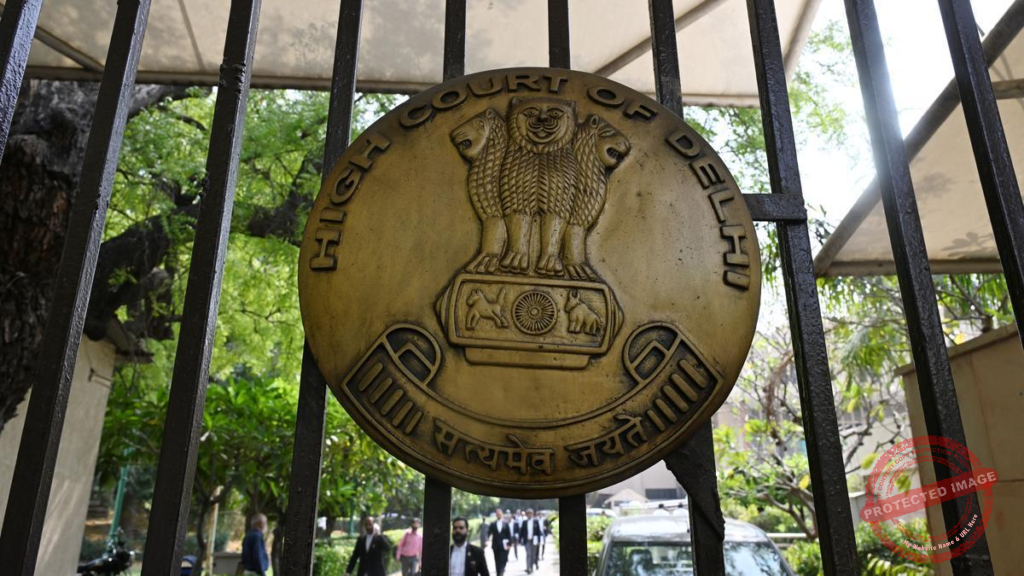
In its detailed reasoning, the High Court reiterated established legal principles that a promise of marriage, if used as a tool to influence consent, does not absolve individuals of liability if consent was obtained under misleading commitments. The bench raised concerns about the larger societal impact of allowing subjective cultural arguments such as horoscope compatibility to dilute or negate criminal proceedings. Court documents emphasised that legal standards of consent and culpability must be applied uniformly, irrespective of traditional or cultural frameworks invoked by the defence.
Legal experts following the case say that courts have increasingly asserted that personal or cultural narratives cannot override well‑defined statutory safeguards on consent. In this context, the High Court’s refusal to grant bail reinforces the judiciary’s commitment to ensure that criminal charges of this nature are investigated comprehensively and not prematurely diluted through arguments based on extraneous beliefs.

The case has sparked debate among legal commentators about the intersection of cultural practices and criminal law. While horoscope matching remains a widely accepted custom for marital decisions in many parts of India, its relevance in adjudicating criminal culpability has been questioned by jurists and advocates. Many legal voices have welcomed the court’s refusal to entertain such arguments, stating that legal determinations must hinge on admissible evidence and established law, not cultural beliefs.
The prosecution in the case argued that the alleged offence occurred after the accused had induced the complainant into a relationship based on assurances of marriage, which the complainant relied upon before the relationship turned contentious. Authorities handling the matter have maintained that the investigation will continue thoroughly, and all admissible evidence will be examined to establish whether criminality has been committed.
Societal reactions to the High Court order have been mixed, with many citizen groups applauding the judiciary’s firm stance, while others call for wider education on consent, relationship law, and personal rights. Advocacy groups emphasise that consent in intimate matters must always be informed and free from coercion or reliance on future promises, regardless of the cultural context invoked.
The Delhi High Court’s rejection of bail in the “promise of marriage” case dismissing horoscope mismatch as a valid defence underscores the judiciary’s commitment to protecting individual rights and ensuring that cultural arguments do not undermine legal standards on consent and criminal responsibility. As the case progresses, legal observers say it may set important precedent for how personal beliefs intersect with criminal law.
Follow us On Our Social media Handles :
Instagram
Youtube
Facebook
Twitter
Also Read- Pune