India Mandates Free Seat Selection on 60% of Flights; Major Relief for Air Passengers
India
India orders airlines to offer 60% seats free and seat families together, boosting passenger rights and reducing travel costs.
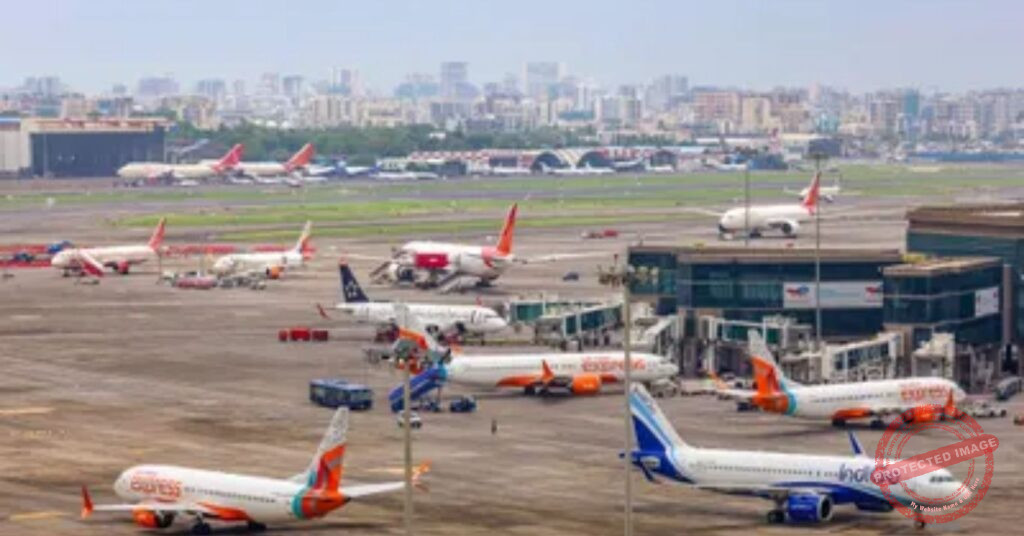
New Delhi | March 19, 2026: In a significant move aimed at improving passenger convenience and curbing hidden airline charges, the Government of India has mandated that airlines must offer at least 60% of seats on every flight without any additional seat selection fee. The directive, issued through the Directorate General of Civil Aviation (DGCA), is being hailed as a major relief for air travellers across the country.
The new rule addresses one of the most common complaints among passengers – ith this reform, a majority of seats will now be accessible at no extra cost, ensuring fair access for all categories of travellers.
What the New Rule Means for Passengers
Under the updated guidelines, airlines are required to:
- Allocate a minimum of 60% of seats free of charge during booking or check-in
- Ensure passengers travelling under the same PNR are seated together, preferably in adjacent seats
- Improve transparency in pricing and clearly display passenger rights across platforms
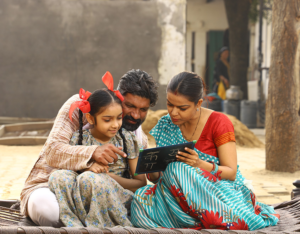
This move is expected to particularly benefit families, senior citizens, and budget travellers who were often forced to pay extra fees to avoid being seated separately.
Background: Why the Change Was Needed
Over the past few years, Indian airlines increasingly relied on ancillary revenue streams, including paid seat selection. Passengers were often charged anywhere between ₹500 to ₹3000 for choosing seats, even for basic preferences.
This practice drew criticism from consumer rights groups, who argued that essential services were being monetized unfairly. Complaints also surged about families being split across rows unless they paid additional fees.
The DGCA’s latest directive builds on earlier passenger-friendly reforms introduced in 2024, which required airlines to seat children below 12 years with at least one parent without extra charges.
Industry Impact and Airline Concerns
While the move is widely welcomed by passengers, it has triggered concerns within the aviation industry. Airline stocks, including IndiGo and SpiceJet, reportedly saw fluctuations following the announcement, reflecting investor worries about potential revenue loss from paid seat selection.
Industry experts suggest that airlines may respond by adjusting base ticket prices to compensate for the loss of ancillary income.
However, government officials maintain that the primary objective is to ensure transparent pricing and a fair travel experience, especially during peak travel seasons when ticket prices tend to surge.
Additional Passenger-Friendly Measures
Alongside the free seat mandate, the government has also introduced several complementary reforms:
- Clear policies for carrying sports equipment, musical instruments, and pets
- Mandatory display of passenger rights on websites, apps, and airports
- Communication of passenger entitlements in regional languages
- Strengthened rules for handling delays, cancellations, and denied boarding
These measures aim to standardize airline practices and make air travel more accessible and user-friendly.
Broader Implications
India is currently one of the fastest-growing aviation markets globally, and such regulatory interventions reflect a shift towards passenger-centric policies. The move could redefine pricing strategies across airlines while increasing consumer trust in the aviation ecosystem.
For frequent flyers, especially those booking budget tickets, the change is expected to significantly reduce overall travel costs and eliminate last-minute inconveniences.
Follow us On Our Social media Handles :
Instagram
Youtube
Facebook
Twitter
Also Read- Pune