India-Pakistan Spar Over Indus Waters at UN, Tensions Escalate Over ‘Water Weapon’ Claims
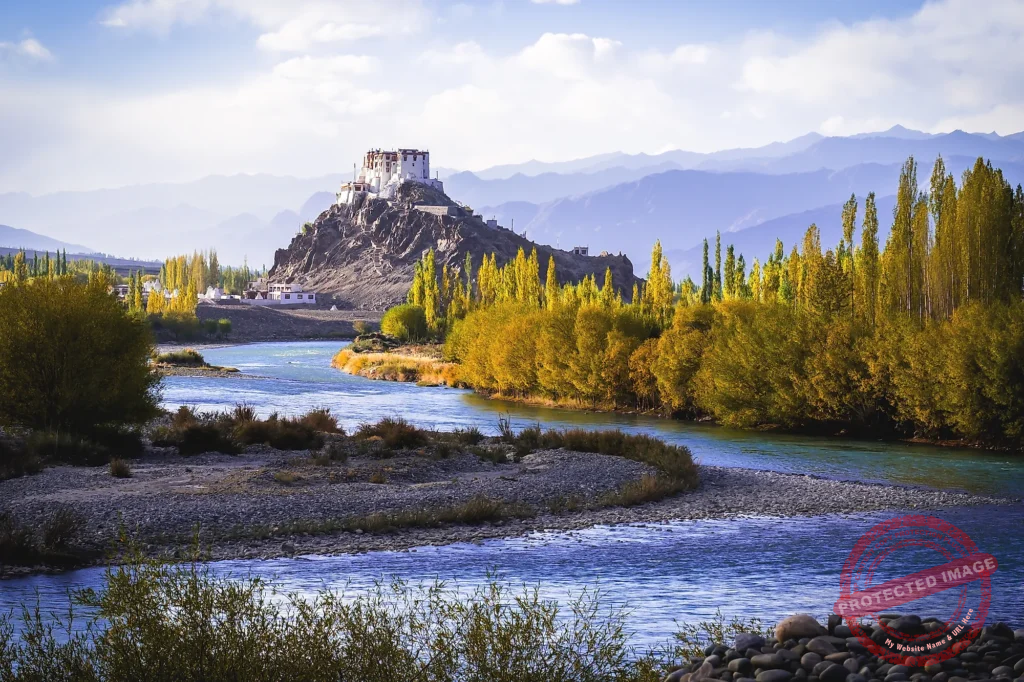
Indus River
India and Pakistan engaged in a sharp verbal clash at the United Nations over the Indus Waters Treaty, with Islamabad alleging water weaponisation and New Delhi linking cooperation to an end to cross-border terrorism.
March 21 | New York A fresh diplomatic row erupted between India and Pakistan at the United Nations as both countries traded strong remarks over the Indus Waters Treaty during a high-level meeting आयोजित on World Water Day. Pakistan accused India of using water as a “political weapon” after allegedly suspending aspects of the decades-old agreement, while India firmly rejected the claims and issued a stern warning.
Pakistan’s Climate Change Minister Musadik Malik told the global forum that India’s actions could severely impact his country’s agricultural economy, which heavily depends on the Indus river system. He argued that any disruption in water flow would threaten livelihoods, deepen economic stress, and destabilise the region. Pakistan also urged India to adhere fully to the treaty, calling its alleged move unilateral and unjustified.
Responding to the allegations, India’s Permanent Representative to the United Nations, Parvathaneni Harish, made it clear that cooperation cannot continue under the shadow of terrorism. He stated that both “water and dialogue” would remain suspended until Pakistan takes credible and irreversible steps to end cross-border terrorism against India. He подчеркнул that the treaty, signed over six decades ago in a spirit of goodwill, cannot be insulated from prevailing security concerns.
Pakistan’s representatives reiterated that nearly 25–30 percent of its economy relies on agriculture, with a significant portion of its population dependent on farming for livelihood. Any reduction in water availability, they warned, could trigger widespread socio-economic distress. The escalating rhetoric highlights how water-sharing arrangements are increasingly intertwined with broader geopolitical tensions, raising concerns about regional stability and the future of long-standing bilateral agreements
Follow us On Our Social media Handles :
Instagram
Youtube
Facebook
Twitter
Also Read- Pune